
REVIEW · GUATEMALAN COOKING CLASSES & STREET FOOD
El Paredón: Traditional Cooking Class with a Local Family
Corn dough can tell stories. In this El Paredón cooking class, you learn to make corn tortillas and empanadas from scratch with a local family, then share the meal at their home.
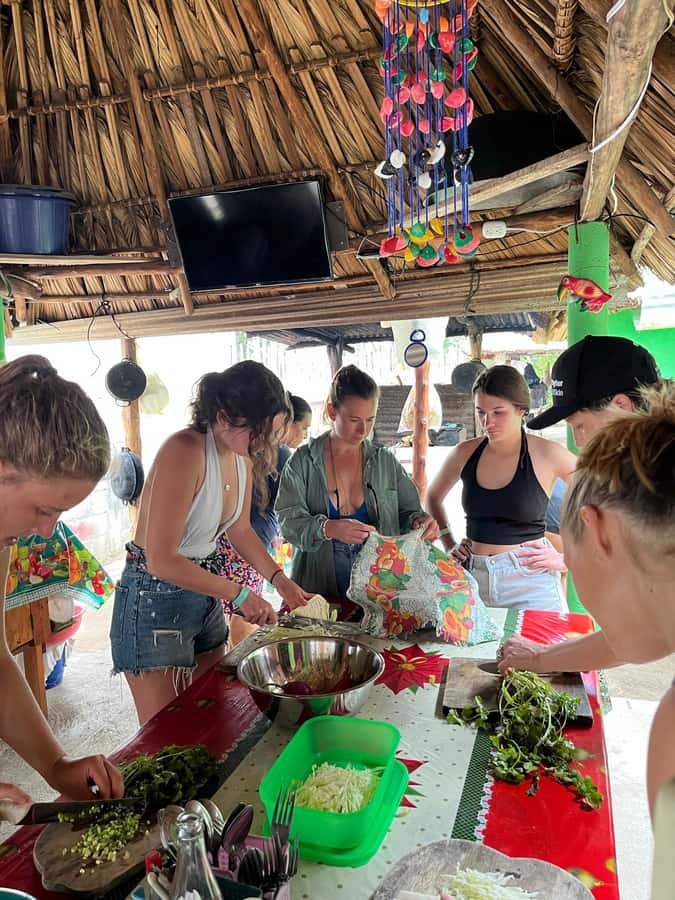
What I like most is how practical it feels, you do the chopping, mixing, and shaping, and then you sit down together to eat what you made.
One consideration: the class is taught in Spanish, and an English translator is not included. If your Spanish is limited, you should come with a few simple phrases and a willingness to learn by doing.
In This Review
- Key highlights you will actually care about
- Why a home-cooked tortilla lesson beats a restaurant tour
- Meeting Aura and Adelso in El Paredón, and what to do when you arrive
- Your 90-minute timeline: welcome, prep, cook, eat, repeat
- Step 1: Welcome and a quick family introduction
- Step 2: Ingredient prep, with Q and A as you go
- Step 3: Corn tortillas from scratch
- Step 4: Empanadas, shaped and filled
- Step 5: A traditional Guatemalan salad
- Step 6: Sit down and eat together
- Step 7: Wrap up at the same home
- Tortilla-making: the technique lesson you will feel in your hands
- Empanadas: where shaping and timing matter most
- The traditional salad: why the side matters more than you think
- Price and value: what $58 buys you in real terms
- Who should book this, and who might want something else
- Practicalities before you go: language, what’s included, and what to expect
- Language and communication
- What is included
- What is not included
- House rules
- Private group dynamics
- Should you book El Paredón’s traditional cooking class?
- FAQ
- Where is the meeting point for the cooking class?
- What time does the class start?
- How long is the experience?
- What dishes will I learn to make?
- Is an English translator included?
- Is it wheelchair accessible?
- Is transport or dessert included?
Key highlights you will actually care about
- Hands-on cooking in a local family home, not a storefront kitchen
- Corn tortillas and empanadas from scratch, guided step by step
- Traditional salad included, so you learn a full plate, not just one dish
- Conversation while you cook, asking questions as you prep ingredients
- Private group format, so the pace can fit your group
- Spanish-led instruction, with no English translator provided
Not locked in yet? Here is what else travellers book around Guatemala.
- El Paredón: Traditional Cooking Class with a Local Family
★ 4.8 · 4 reviews
Why a home-cooked tortilla lesson beats a restaurant tour
El Paredón is the kind of place where food is part of daily life, not a performance. This class is built around that idea: you show up, you cook in the family’s home, and you eat there too. You’re not just collecting recipes, you’re seeing how skills get passed down through generations and how meals bring people together.
I especially like that the focus stays on technique. You’ll learn how to make Guatemalan corn tortillas and empanadas using traditional methods, and you’ll also get a traditional Guatemalan salad as part of the meal. That matters, because you come away understanding the why behind the what, not just copying a finished product.
The other big plus is the shared meal. You sit down with your hosts after cooking, which turns the class into a real cultural exchange. You’ll get a deeper understanding of Guatemalan culinary traditions in a way that feels personal, not staged.
Meeting Aura and Adelso in El Paredón, and what to do when you arrive
The experience starts and ends at the family’s home in the heart of El Paredón. At 1:30 PM, you arrive and you’ll be warmly welcomed, then the day flows from there at a comfortable home pace.
If you’re using the listed meeting approach, here’s what to do: go to Hotel Ola Beach House (in El Paredón), walk about 100 meters west, and ask outside the home of the family of Aura and Adelso for your cooking class.
Since there’s a private group setup, you’re not getting tossed into a crowd. Still, it’s worth arriving on time so you can settle in before the cooking begins. If you show up late, you miss the best part, getting your hands moving early while the hosts explain what you are doing.
Your 90-minute timeline: welcome, prep, cook, eat, repeat
This is a tight 90-minute experience, and that’s part of the charm. You’ll move through each step without it dragging, and you’ll still get time to ask questions and actually do the work.
Here’s what the flow looks like from start to finish:
Step 1: Welcome and a quick family introduction
You arrive at the home, greet the family, and get a brief introduction to their way of life and local traditions. This isn’t a long lecture. It’s enough context to help you understand what you’re about to cook and why these foods matter locally.
Step 2: Ingredient prep, with Q and A as you go
Then you jump in. You’ll chop, slice, and mix while the hosts guide you. This is a great window to ask about daily routine, the local area of El Paredón, and the culinary traditions behind the dishes. Even if your Spanish is basic, questions plus gestures plus listening usually works well in this kind of kitchen setting.
Step 3: Corn tortillas from scratch
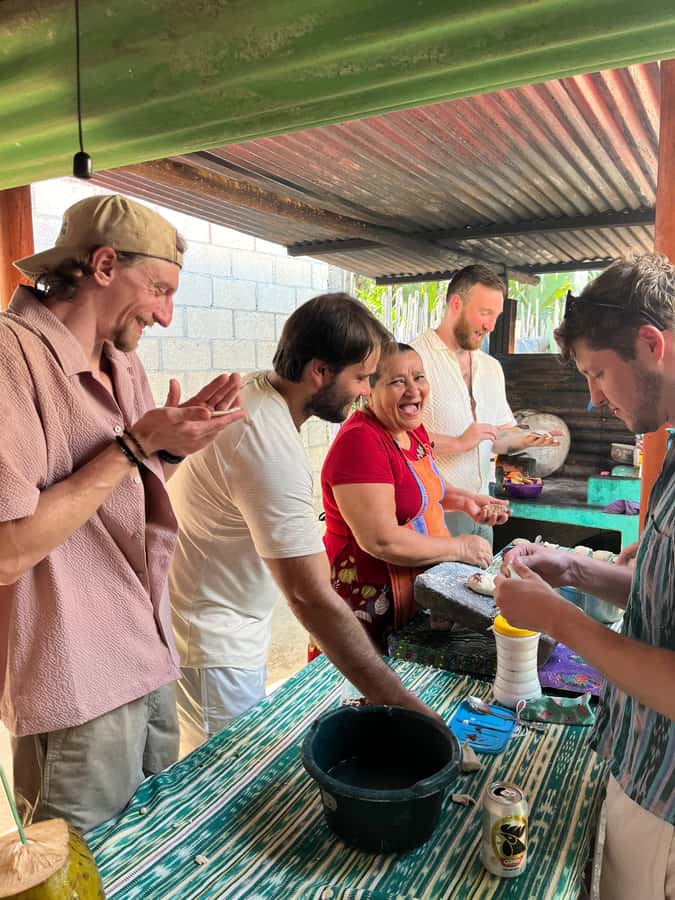
Next comes the core lesson: making Guatemalan corn tortillas from scratch. The hosts demonstrate traditional techniques, then you follow along. The goal is not perfection in one go. The goal is understanding the process, how the dough behaves, and how tortilla-making works in a home kitchen.
Step 4: Empanadas, shaped and filled
After tortillas, you’ll make empanadas from scratch. The hands-on part is where you learn. Pay attention to how the hosts handle dough and filling, because small technique choices affect everything, including whether the empanada holds together.
Step 5: A traditional Guatemalan salad
You’ll also prepare a traditional Guatemalan salad. This is a smart addition because it rounds out the meal. You learn that tortillas and empanadas aren’t just random snacks, they’re part of a plate with balance from the side salad.
Step 6: Sit down and eat together
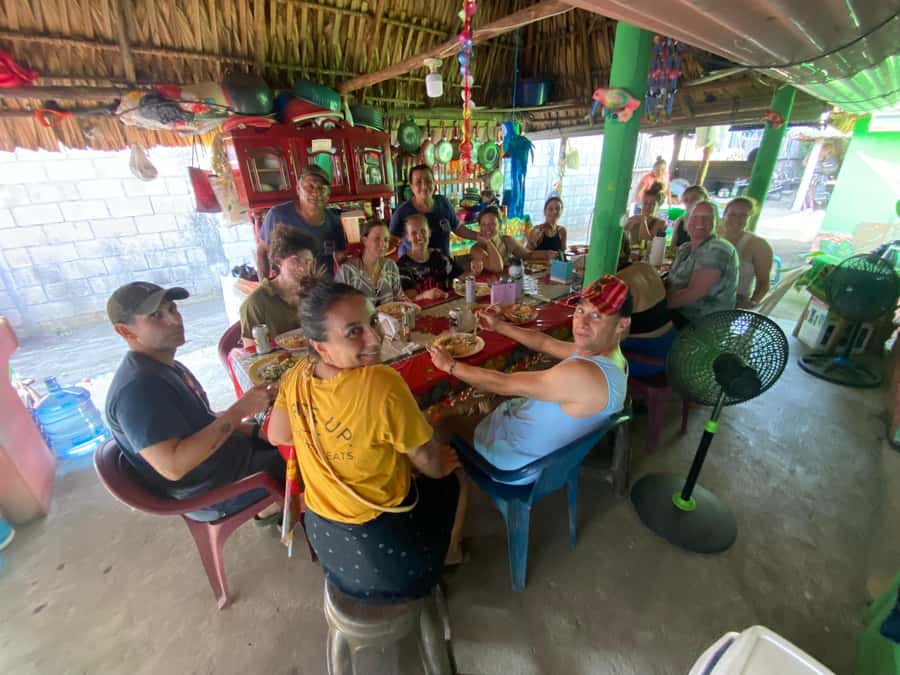
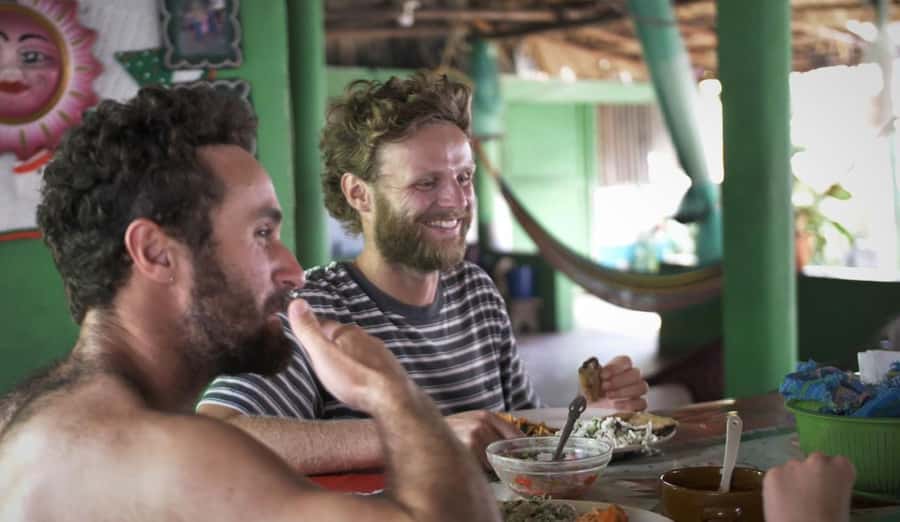
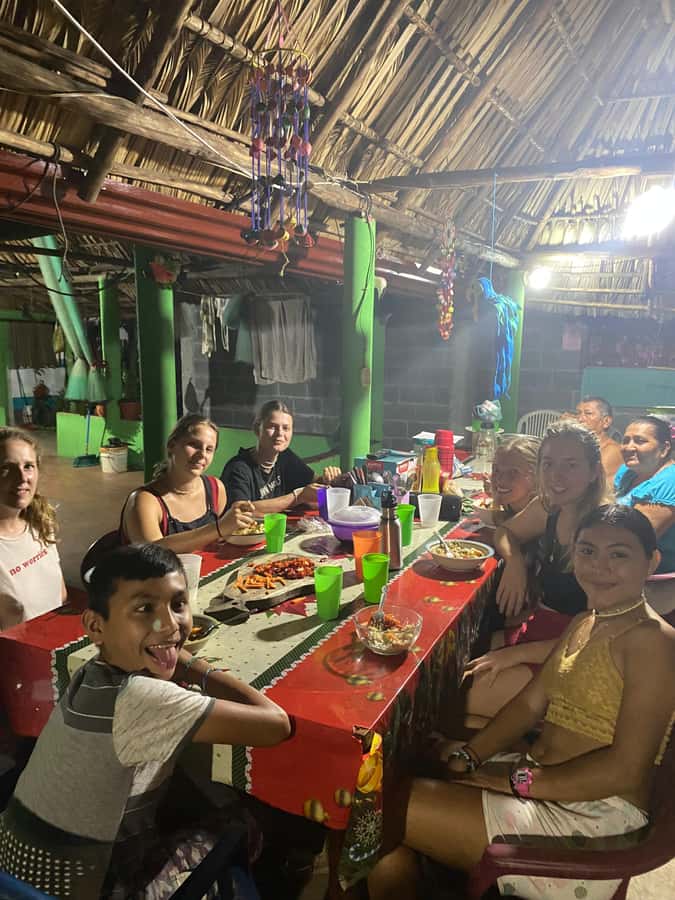
Once everything is ready, you eat the meal you made with the family. This shared eating moment is where the class becomes memorable. You see how the dishes come together and you get a chance to talk without the pressure of cooking every minute.
Step 7: Wrap up at the same home
The experience concludes back at the family’s home. There’s no confusing end point, no scramble to figure out where you’re supposed to go next.
Tortilla-making: the technique lesson you will feel in your hands
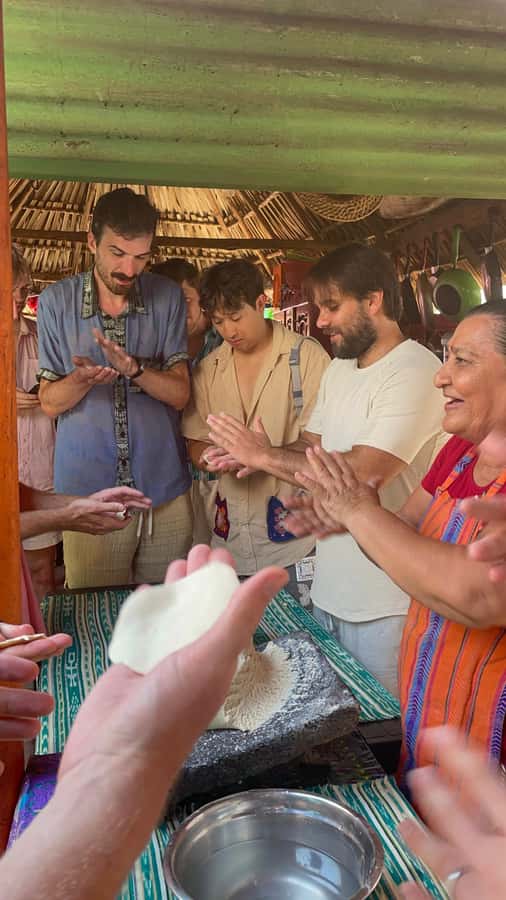
Corn tortillas are simple on paper, but the real learning is in the technique. In this class, you’ll make them from scratch and follow the host’s demonstration of traditional methods. That means you’re not guessing. You’re watching someone who grew up doing it, then trying it yourself.
What I like about this is that you learn to respect the basics. Tortillas are about consistency, timing, and touch. You’ll likely pick up small cues by watching your hosts, like how they handle the dough and how they work to get tortillas into shape.
And because you’re doing it in a home kitchen rather than a staged demonstration area, you get a more realistic sense of the workflow. That helps if you want to recreate the experience later. You’ll understand what steps actually matter, even if you change ingredients at home.
Empanadas: where shaping and timing matter most
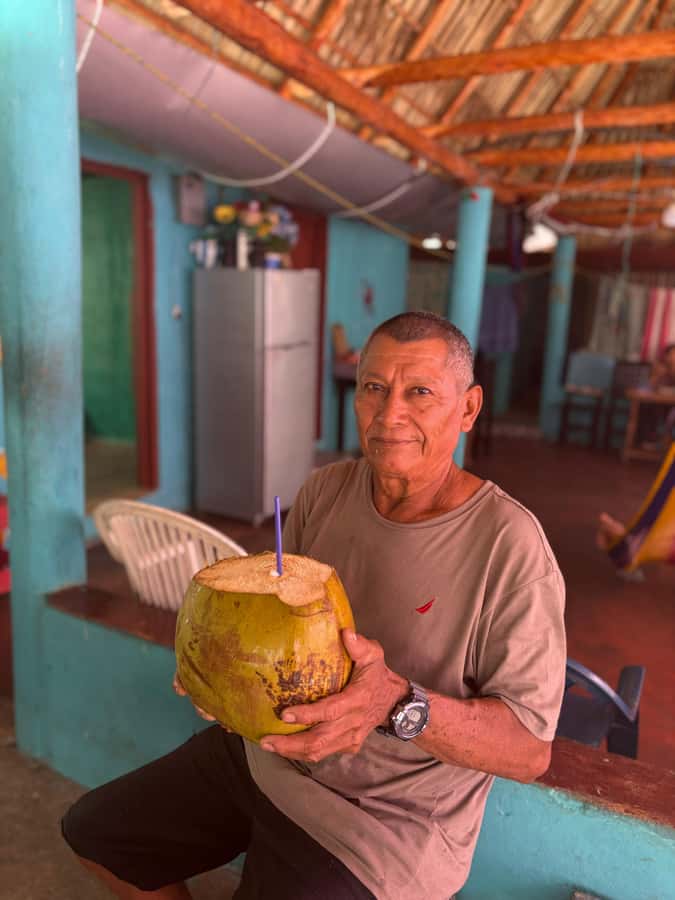
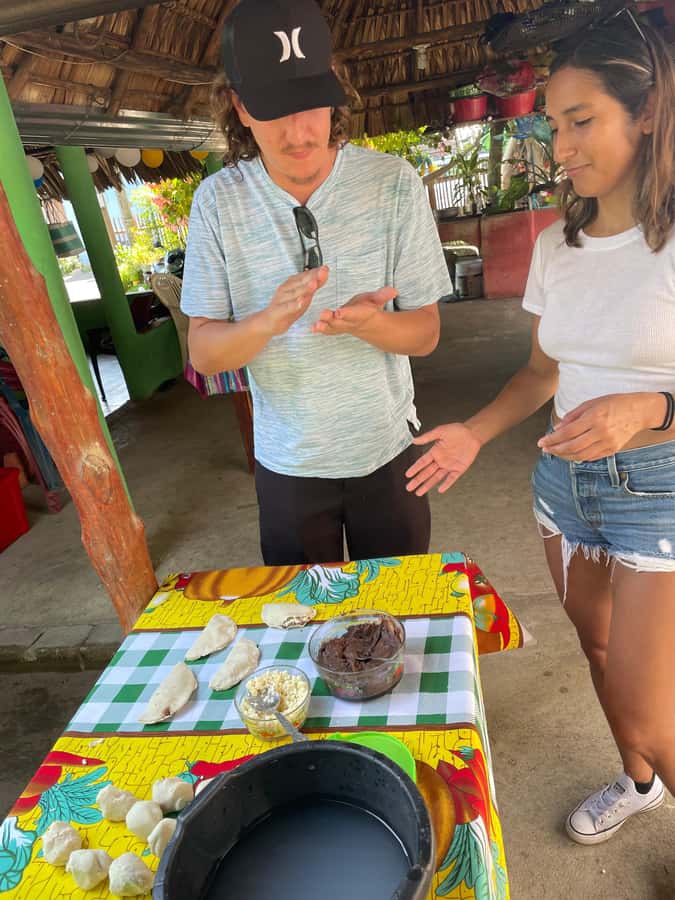
Empanadas are the part where the class turns from cooking to craft. You’ll make them from scratch, guided by the hosts, and you’ll learn how to handle the dough and assemble the filling.
The most useful takeaway here is technique awareness. You’ll notice how the dough folds, how it seals, and how the empanada holds together. That’s the difference between an empanada that looks right and one that stays intact long enough to eat comfortably.
Even if you end up with slightly uneven shapes, you’re learning a repeatable approach. The hosts guide you through the steps, so you won’t feel lost. This is ideal if you like learning by doing, not watching someone else cook the whole time.
The traditional salad: why the side matters more than you think
You also make a traditional Guatemalan salad as part of the class. This might sound like an extra step, but it’s actually a big deal for two reasons.
First, it teaches you how locals build a plate. Tortillas and empanadas can be filling on their own. The salad adds freshness and balance, so you learn how the meal is meant to feel.
Second, it expands your cooking vocabulary beyond one skill. You get a second category of food, preparation style, and flavor approach. Even if the salad details are familiar, you’ll still come away with a better understanding of what people pair together at home.
Price and value: what $58 buys you in real terms
At $58 per person for 90 minutes, the value depends on what you want from a cooking class. If you’re looking for a quick tasting with a photo backdrop, this may feel too hands-on.
But if you want skill-building and cultural connection, this price is easier to justify. You’re paying for:
- a welcome at a family home in El Paredón
- hands-on instruction and guidance through multiple dishes
- the meal you prepare, eaten together with the family
- a private group format
Also, dessert is not included, so you should plan your appetite accordingly. And transport is not included either, which is worth budgeting for separately based on where you’re staying.
For me, the biggest value signal is the setting. Cooking inside a local home, learning traditional corn tortilla and empanada techniques, and then sharing the meal is the sort of experience you can’t easily replicate on your own. That’s what makes the price feel fair for what you get.
Who should book this, and who might want something else
This class is a great fit if you:
- like hands-on activities where you do the prep, not just observe
- want to understand Guatemalan food through everyday technique
- enjoy conversation and asking questions in a real home setting
- prefer smaller, private-group experiences
It may not be ideal if:
- you need instruction in English, because there is no English translator
- you want a class that includes transport, since you’ll need to handle getting there on your own
- you expect a longer event or a dessert included, since the class is 90 minutes and dessert is not part of it
Because it is wheelchair accessible, it can also work for many mobility needs. Just note that you should still plan to move comfortably inside a home environment, since kitchens are usually compact.
Practicalities before you go: language, what’s included, and what to expect
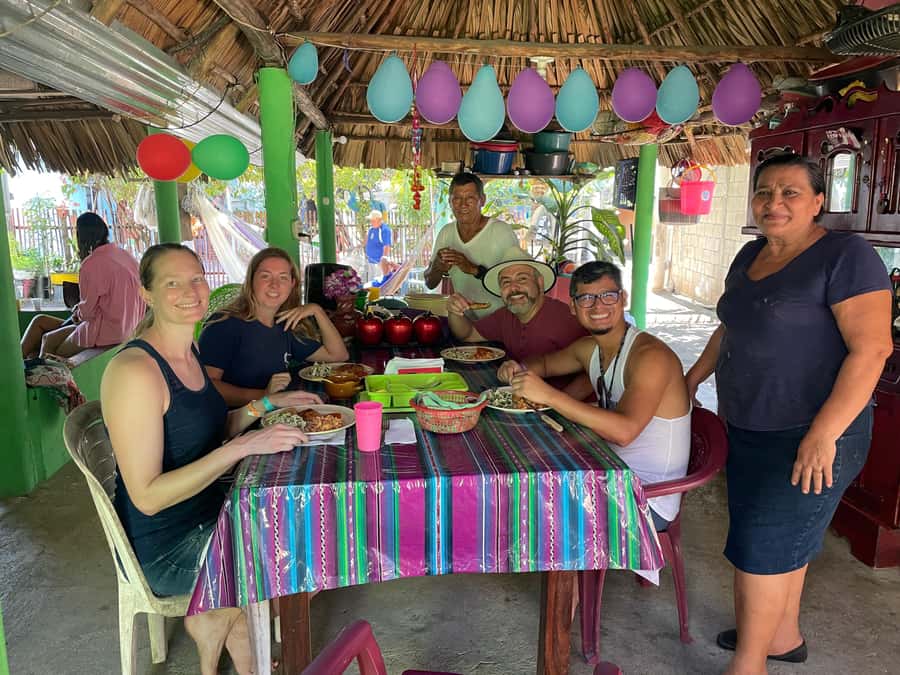
A few practical notes will help you enjoy the class more.
Language and communication
The instructor is Spanish, and there is no English translator included. You will still be guided step by step, and you can ask questions while you cook. If you want to feel more at ease, bring a small set of Spanish words for cooking basics, like ingredients, yes/no, and simple questions about the steps.
What is included
You can expect:
- arrival and welcome
- an introduction to the family’s way of life and local traditions
- hands-on cooking instruction for corn tortillas, empanadas, and a traditional Guatemalan salad
- a shared meal
- cultural conversation during the experience
What is not included
- dessert
- transport
House rules
Alcohol and drugs are not allowed. If you were hoping to bring something along, skip it. Focus on the meal and the conversation.
Private group dynamics
Being a private group can be a real advantage. You’re more likely to get attention, and the hosts can respond to questions as you cook. It also helps if your group’s comfort level with Spanish varies.
Should you book El Paredón’s traditional cooking class?
If you want a real taste of Guatemalan culinary traditions, and you like learning by doing, this is an easy yes. You’ll get hands-on practice with corn tortillas and empanadas, plus a traditional salad, and you’ll eat together with the family. That combination is rare, especially at a home-based class that stays focused on traditional methods.
Book it if:
- your Spanish is workable enough for a cooking class setting
- you want to connect through food, not just take photos
- you’re okay handling your own transport
Skip it if:
- you need full English translation and would feel frustrated without it
- you want a longer, more leisurely experience with added courses like dessert
If you decide to go, go hungry, go curious, and keep your questions coming while your hands are busy. That is where the experience turns from cooking into a story you carry home.
FAQ
Where is the meeting point for the cooking class?
You meet at the family’s home in El Paredón. One meeting option is to arrive at Hotel Ola Beach House, walk about 100 meters to the west, and ask outside the home of the family of Aura and Adelso for your cooking class.
What time does the class start?
The experience starts at 1:30 PM with your arrival at the family’s home.
How long is the experience?
The cooking class lasts 90 minutes.
What dishes will I learn to make?
You will learn to make Guatemalan corn tortillas, empanadas, and a traditional Guatemalan salad.
Is an English translator included?
No. The class is taught in Spanish, and an English translator is not included.
Is it wheelchair accessible?
Yes, the activity is wheelchair accessible.
Is transport or dessert included?
Transport is not included, and dessert is also not included.
More Guatemala Reviews
- El Paredón: Mangrove Boat Tour with Optional Fishing★ 4.7 · 5 reviews
Recently reviewed: more ways to spend a day in Guatemala
Guatemalan Cooking Classes & Street Food that cover the same ground.
 ★ 5.0Coffee and Gastronomic Bike Tour in AntiguaFrom $41284 reviews
 ★ 4.8Antigua Guatemala: Street Food Walking Tour with TastingsFrom $6887 reviews
 ★ 5.0Street Food Tour Around AntiguaFrom $8067 reviews
 ★ 4.7Antigua: Make & Eat Pizza at Pacaya Volcano Private TourFrom $29918 reviews
 ★ 4.8Lake Atitlan Maya Kitchen: 3-Hour Cooking ClassFrom $7017 reviews
 ★ 4.6Antigua Local: Evening Street Food Tour with DinnerFrom $8416 reviews
 ★ 5.0Chocolate workshop; gastronomic experience of cocoa.From $327 reviews
 ★ 5.0Antigua: Cooking Class with Local FamilyFrom $756 reviews
Also on these pages