
REVIEW · COFFEE FARMS & CACAO WORKSHOPS
Chocolate workshop; gastronomic experience of cocoa.
Cocoa here turns learning into hands on fun. You get five senses tastings of cocoa in different stages, and you finish by making your own chocolate bar to take home. One heads up: the instructor teaches in Spanish, so if you do not speak it, bring a translation app and be ready to point and smile.
This is a 1 day experience based in Antigua Guatemala, with a private group feel and a hands on pace. You meet in a mustard colored house one block from Parque Central, where a plush bear greets you at the door, so getting started is easy. Guides like Ingrid, Andrea, and Bea have been described as patient and helpful, including for families working through translation with written notes and phone tools.
In This Review
- Key Highlights to Know Before You Go
- Finding The Mostaza House Near Parque Central
- Mayan Cocoa Roots, Explained in Plain Language
- Five Senses Tasting: The Flavor Journey You Can Actually Notice
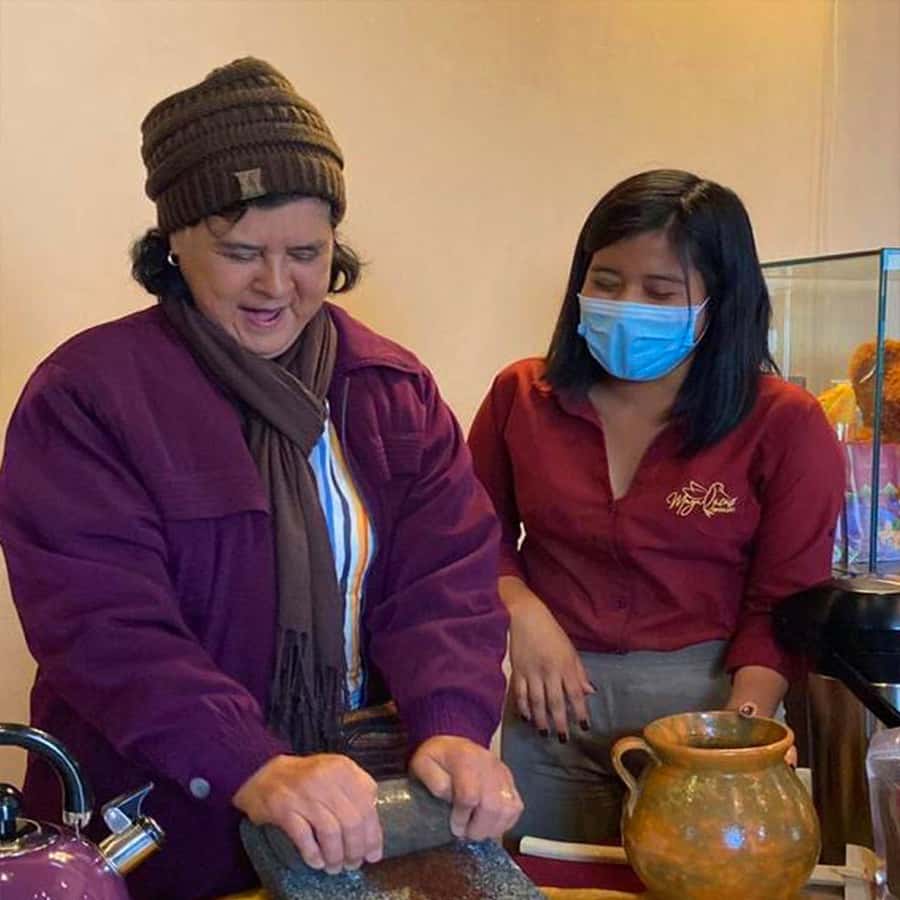
- Roasting, Shelling, and Grinding: Your Hands Make the Difference
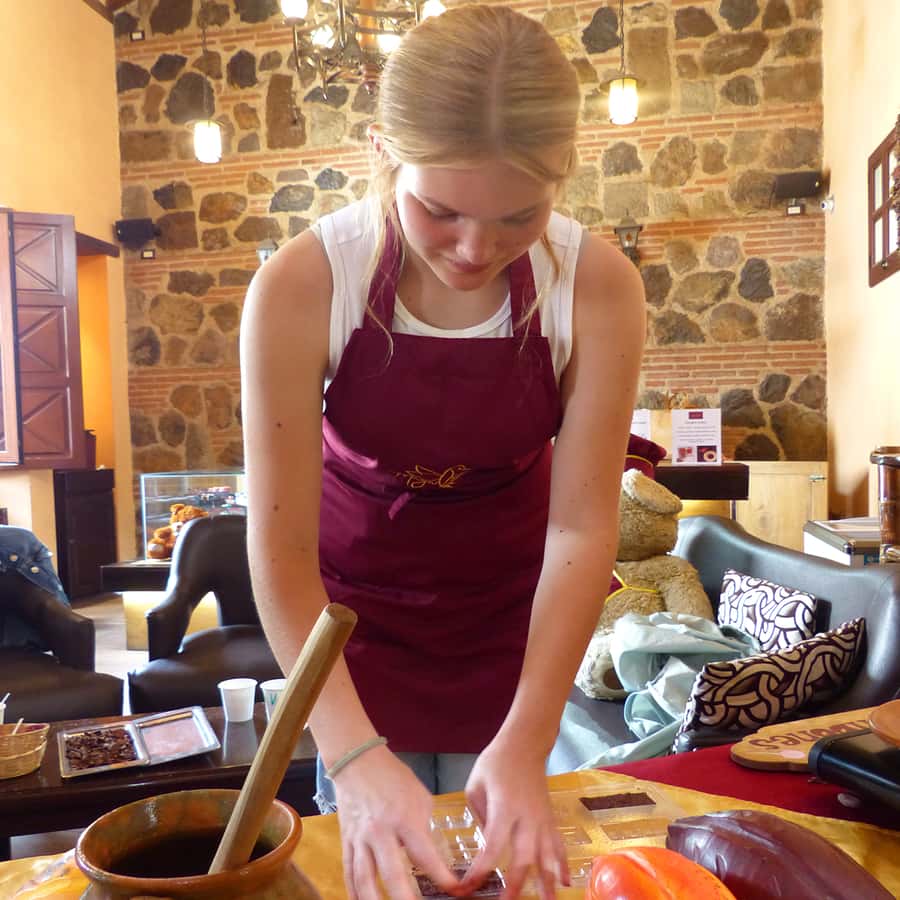
- From Beans to a Real Chocolate Bar
- Price and Time: Is $32 Good Value for a 1 Day Workshop?
- Language, Translation, and How to Keep Up in Spanish
- Who Should Book This Chocolate Workshop in Antigua?
- Should You Book It?
- FAQ
- Where do I meet for the workshop in Antigua Guatemala?
- How long is the experience?
- What language is the instructor?
- What is included in the price?
- Is this activity suitable for kids?
- Is it wheelchair accessible?
- Is there any discount on the day of the workshop?
Key Highlights to Know Before You Go
- Mayan cocoa context in practical terms, not a lecture marathon
- Five senses tasting across cocoa processes used in Guatemala
- Hands on roasting, shelling, and grinding your own beans
- You leave with a chocolate bar you made, ready to share or save
- No preservatives is part of the story (described that way in participant feedback)
- Store discount: you get 5 percent off the entire shop
Beans, cacao and a morning on the finca. More of these reviewed
- Antigua ATV Coffee tour
★ 4.9 · 113 reviews - From Antigua or Guatemala : Coffee & Culture Full-Day Tour
★ 4.5 · 33 reviews - Coffee Tour in Antigua Guatemala
★ 4.9 · 19 reviews - Coffee farm experience
★ 5.0 · 17 reviews
Finding The Mostaza House Near Parque Central
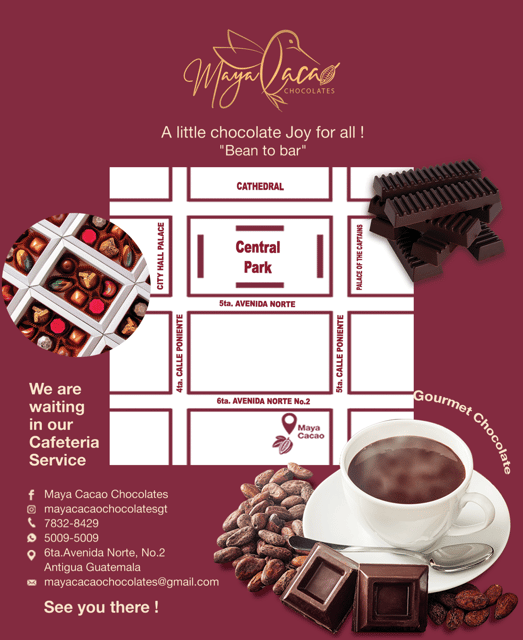
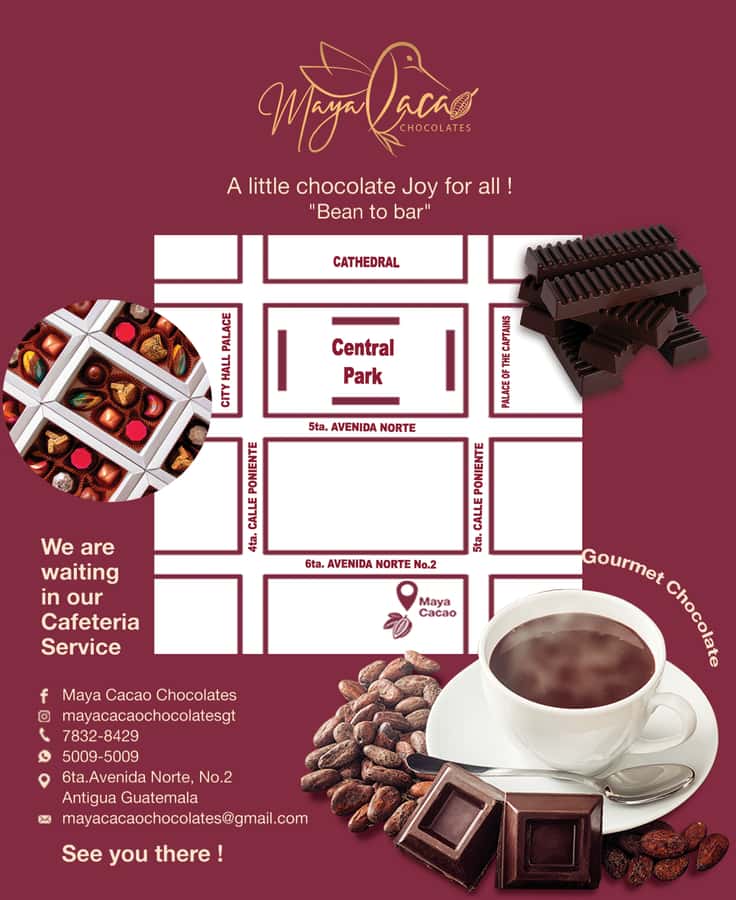
Start your day in Antigua Guatemala at 6a Avenida Norte 6, about a short walk from Parque Central. Look for a mustard colored house, and check the front door for your host, a plush bear who is there to welcome you.
This matters because Antigua can feel like a maze of lanes and churches, and you do not want to burn time hunting for a workshop door. Once you find the place, the rest of the experience flows. You are not just watching chocolate happen, you are making it, so that arrival moment sets the tone.
If your group is walking in from the center of Antigua, give yourself a little buffer. The meeting point is described as a one block walk, which is quick, but you still want calm time to settle in.
Mayan Cocoa Roots, Explained in Plain Language
You begin with cocoa in the time of the Mayans. Expect the session to cover where cocoa came from, why it mattered, and how it was used.
What I like about this opening is that it does not treat cocoa as a modern candy mystery. You get context first, so when the workshop turns sensory and practical, it feels like a continuation, not a random food demo. Even if you only catch parts of the Spanish, the big ideas come through fast: cocoa is cultural, and it is more than sweetness.
This first stage is also a good reset for your brain. Chocolate can sound simple, until you learn how important cocoa was historically, and why people cared about it long before bars showed up in supermarkets.
Five Senses Tasting: The Flavor Journey You Can Actually Notice
Next, you shift to tasting with your five senses. This is where the experience turns into a memorable food lesson, because you are not just eating. You are smelling, noticing texture changes, and paying attention to how flavor evolves across cocoa processing.
The workshop focuses on enjoying the aroma and flavor of different cocoa stages used in Guatemala. In a great class, you start to see patterns fast, like how roasting changes scent, and how different processing steps shift bitterness and aroma depth.
Practical tip: slow down during tastings. If you rush, you miss the whole point. When you take a breath before the first bite, you start catching the cocoa aromas that are easy to overlook when you treat it like dessert only.
Hungry after that? More Guatemalan kitchens and street stalls
Roasting, Shelling, and Grinding: Your Hands Make the Difference
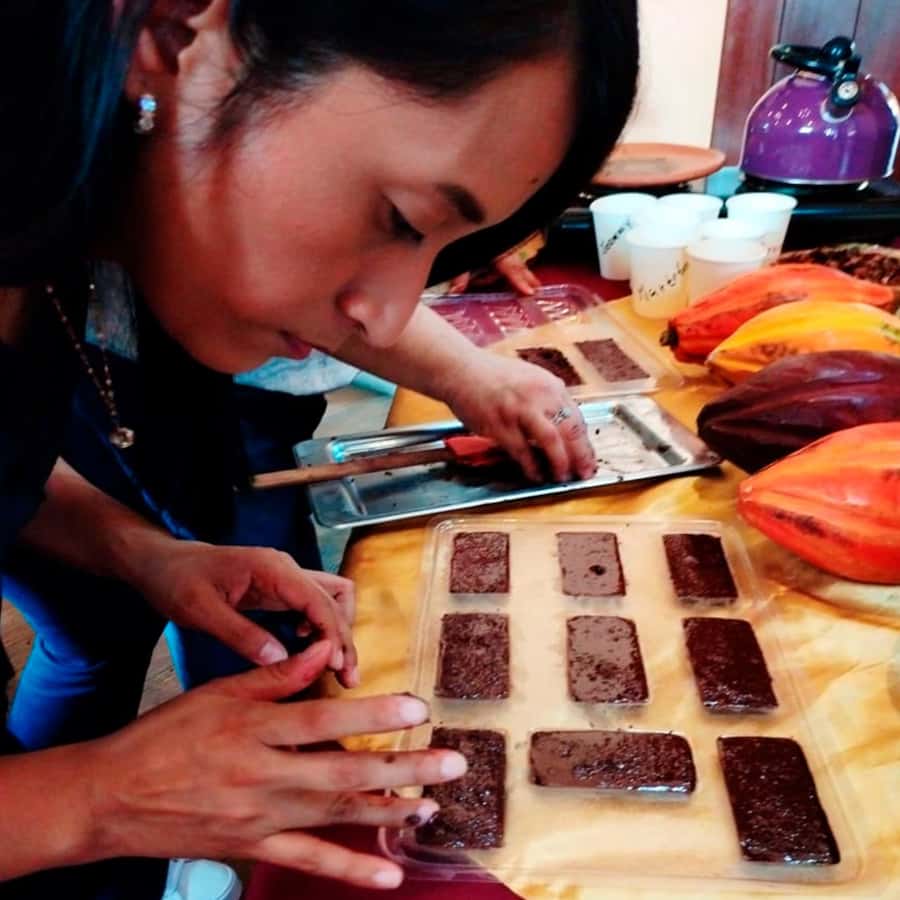
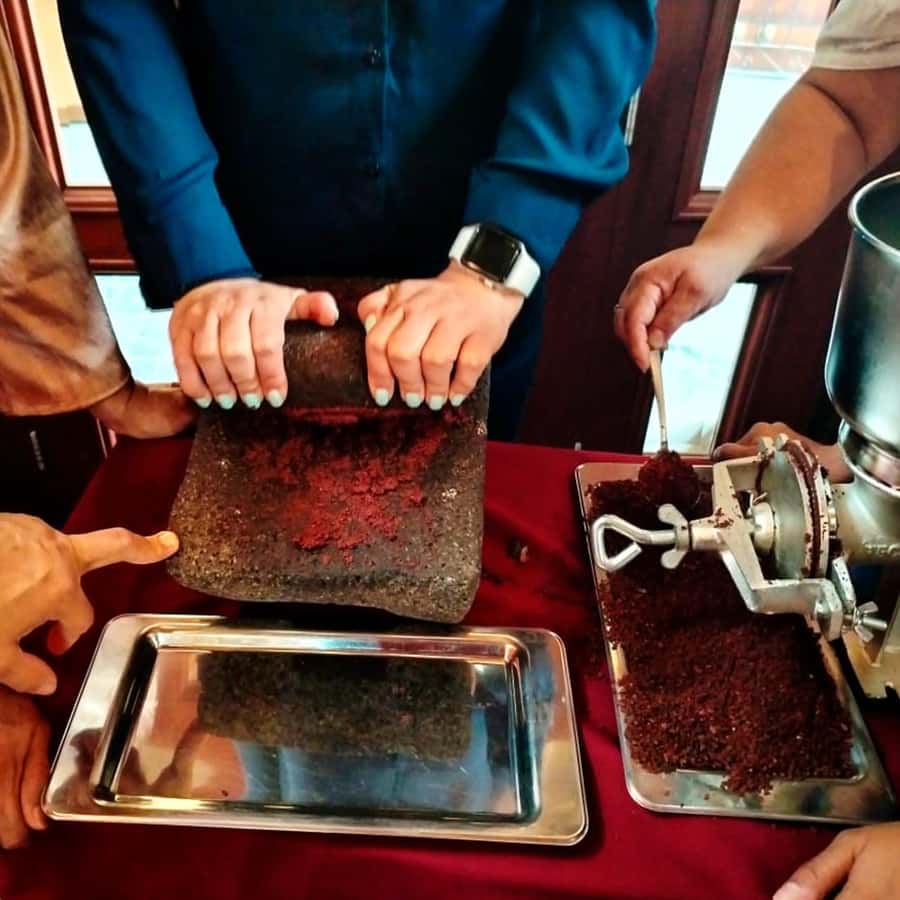
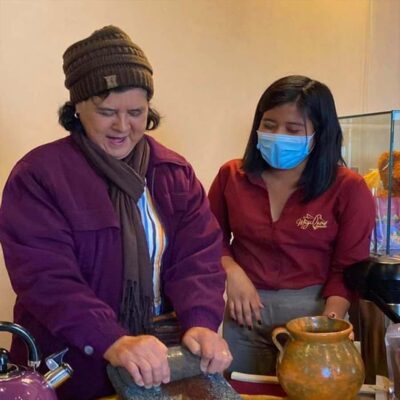
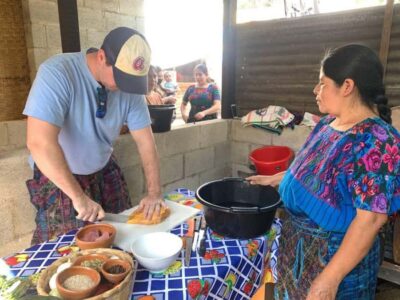
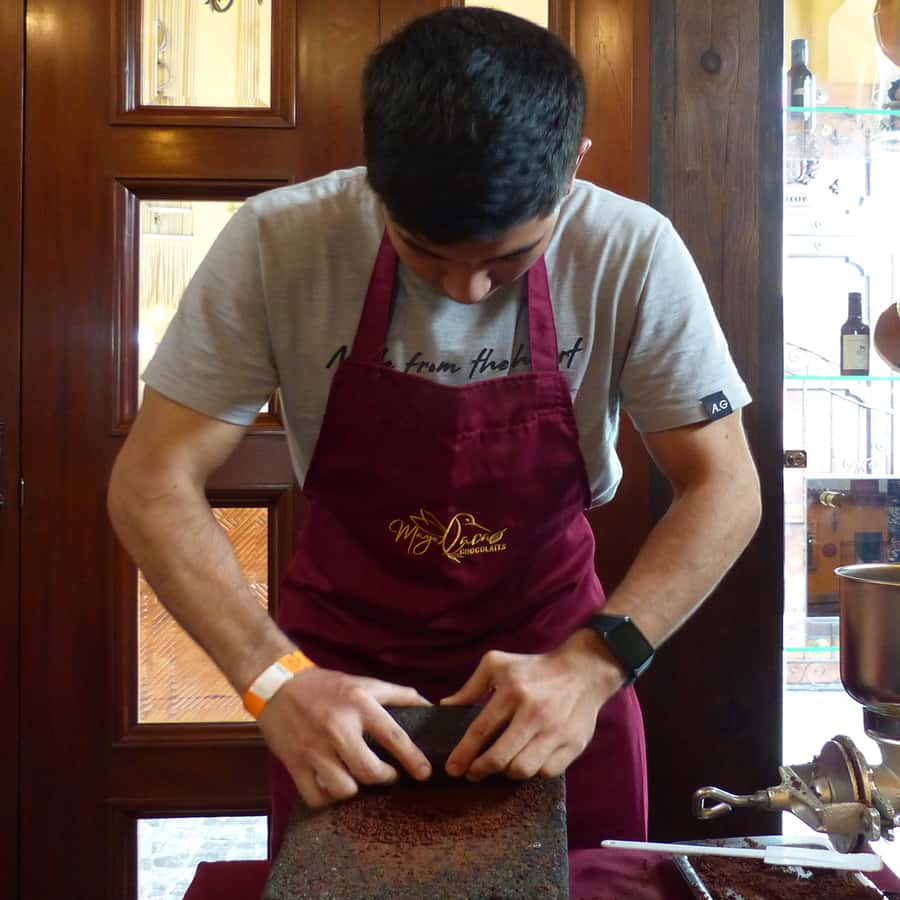
Then you move into the hands on portion: roasting, shelling, and grinding your own cocoa.
This is the heart of the value here. You learn by doing. Instead of tasting a finished bar and calling it a day, you experience how each step changes what ends up on your palate.
Roasting is where aroma becomes louder. Shelling is where you learn the difference between cocoa bits and the seed itself. Grinding is where you understand how texture sets up taste, because ground cocoa behaves differently than whole or lightly processed beans.
Even if you are not a kitchen person, this part feels approachable. The logic is straightforward, and the instructor style is described as supportive. In one participant note, the guide was patient and interactive while translating for a family who did not speak Spanish. In another, a participant used Google Translate and written information to follow along, which suggests the class is structured so you can keep up.
From Beans to a Real Chocolate Bar
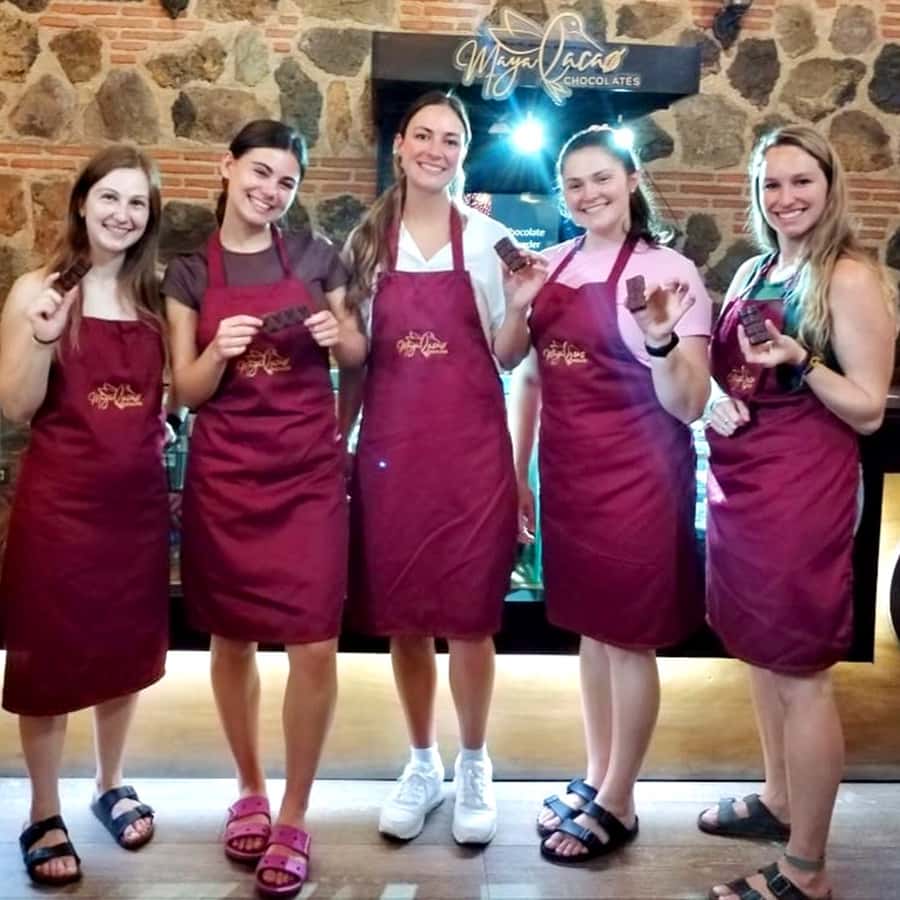
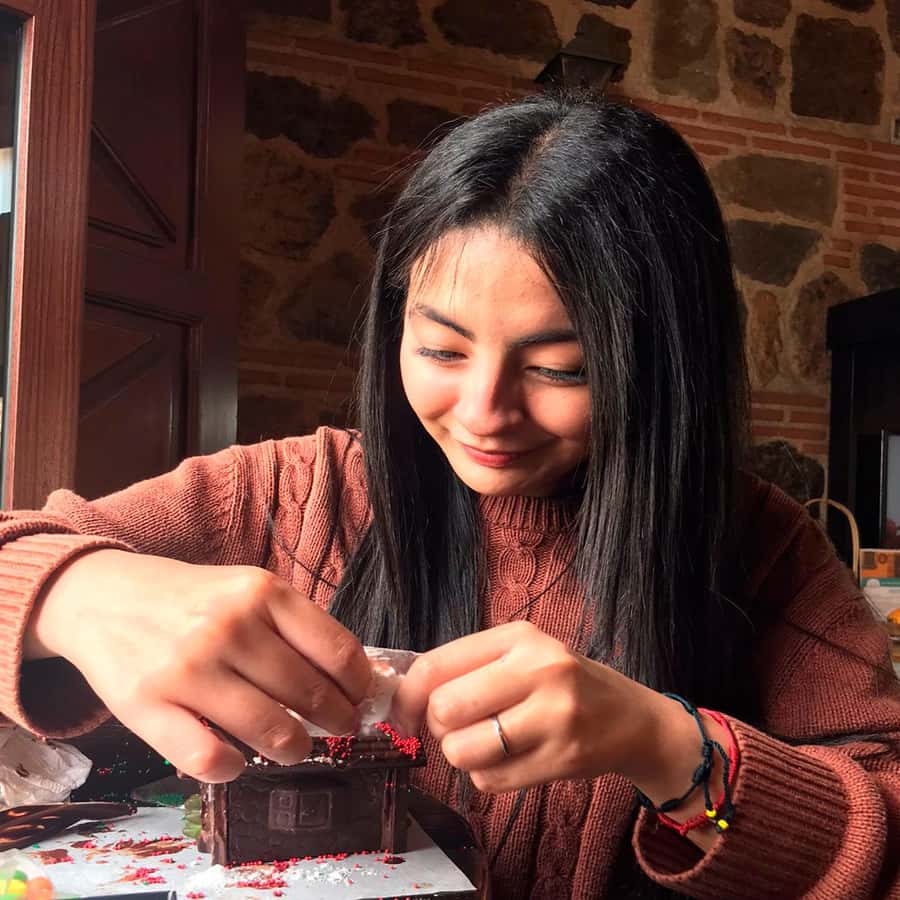
After the cocoa work, you take the chocolate that you made. The goal is simple: you leave with your own bar, shaped by your hands and your tasting notes.
This is more than a souvenir. It is proof of learning. When you go home and try your bar a second time, you start connecting steps you performed with flavors you can detect. That is how the experience sticks, even after Antigua’s cobblestones fade from memory.
You also get tastings during the workshop, so you are building comparisons in real time. That helps you learn what to look for the next time you buy chocolate, like what level of roasting you prefer or how different processing impacts aroma.
One more detail worth knowing: the chocolate is described as being made without preservatives. That does not mean every ingredient claim is identical to every batch, but it does point to a more natural, craft approach.
Price and Time: Is $32 Good Value for a 1 Day Workshop?
At $32 per person, this class can be a strong value, especially for a day in Antigua where cooking experiences often feel overpriced or too passive. Here, your money supports three things you actually do: cocoa tasting in stages, a guided explanation of origins and use in Mayan times, and hands on roasting, shelling, and grinding that leads to a bar you take home.
Duration is listed as 1 day, with the workshop described as 1.5 hours. For most people, that is a sweet spot. You get enough time to learn the steps and taste the differences without losing an entire afternoon.
Private group also changes the math. When it is private, it is easier for the instructor to slow down, correct, or explain at your pace. One participant specifically praised how helpful and informative the guide was, even with translation support.
If you are short on time in Antigua, this is the kind of activity that feels concentrated. If you have more days, it pairs well with other food stops in town, because you will start noticing cocoa notes in pastries and drinks.
Language, Translation, and How to Keep Up in Spanish
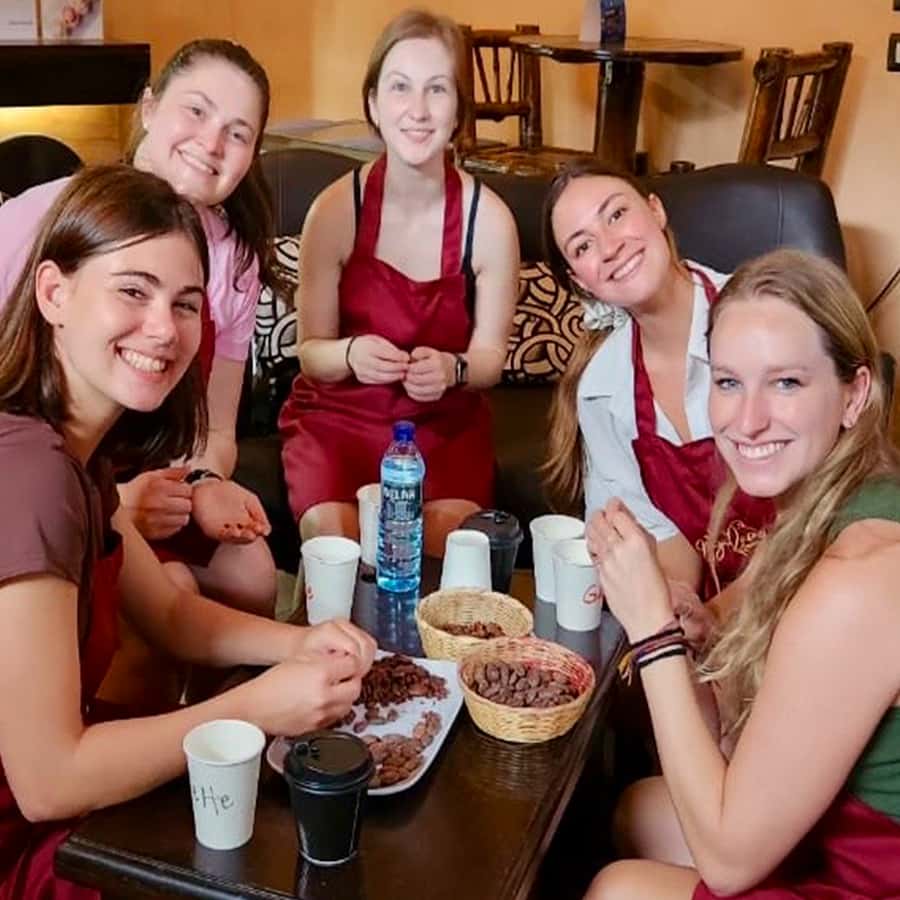
The instructor teaches in Spanish. That is a real consideration, but it does not have to kill your experience.
From participant feedback, Ingrid, Andrea, and Bea have been described as patient and interactive, including when families needed translation help. In one case, a participant got by with Google Translate plus written information the guide provided. That tells me the class likely uses visual steps and simple guidance as much as it relies on spoken Spanish.
Your best move: bring your phone and keep a translation app ready. Also, pay attention to the physical steps. You can understand roasting and grinding even if you miss every word. If you want the history portion more clearly, glance at key terms during the Mayan intro and use translation on anything you catch.
Who Should Book This Chocolate Workshop in Antigua?
This experience fits you if you like food learning that is hands on. You will enjoy it even more if you care about taste details, because the class pushes you to use your senses instead of treating chocolate as a single flavor.
It also suits families who want something interactive rather than a museum stop. One participant described it as recommended for family time, and the guide was described as flexible with explanations.
It is not suitable for children under 7 years. If you have younger kids, you will want to skip this one or look for a different age appropriate chocolate experience.
If you are in a private group, it can be a great option for couples, friends, or small family units who want a calmer pace and more attention from the instructor.
Should You Book It?
Yes, if you want cocoa education that turns into actual skill, and you care about taking something home that you made, not just something you watched.
Book this workshop if:
- You want to taste Guatemalan cocoa processes and learn the differences through your senses
- You want to roast, shell, and grind beans yourself
- You like classes where the end product is a real chocolate bar to keep
Skip it if:
- You want an English only explanation and are not comfortable using translation tools
- You are hoping for a full day with multiple stops, because the described workshop time is about 1.5 hours
If you are staying in Antigua and want one memorable food activity that blends culture, smell, and hands on craft, this is an easy yes.
FAQ
Where do I meet for the workshop in Antigua Guatemala?
You meet at 6a Avenida Norte 6, in Antigua Guatemala. The meeting point is one cuadra from Parque Central, in a mustard colored house. The host, represented by a plush bear, greets you at the door.
How long is the experience?
The workshop lasts about 1.5 hours. The activity is offered as a 1 day experience, with starting times depending on availability.
What language is the instructor?
The instructor teaches in Spanish.
What is included in the price?
Your experience includes materials, tastings, and the chocolate bar you elaborate yourself.
Is this activity suitable for kids?
It is not suitable for children under 7 years old.
Is it wheelchair accessible?
Yes, the activity is listed as wheelchair accessible.
Is there any discount on the day of the workshop?
Yes. You get a 5 percent discount on the entire store.
More Guatemala Reviews
- From Antigua: Adventure, 2-Day Hiking to Acatenango Volcano★ 4.4 · 1,189 reviews
- From Antigua: Pacaya Volcano Tour in English/Spanish★ 4.5 · 930 reviews
- From Antigua: Pacaya Volcano Trek★ 4.4 · 798 reviews
- Antigua, Guatemala: Volcano Acatenango Overnight Hiking★ 4.6 · 645 reviews
- Antigua Guatemala: City Highlights Guided Walking Tour★ 5.0 · 462 reviews
More Guatemalan Kitchens & Street Food
- Antigua Guatemala: Street Food Walking Tour with Tastings★ 4.8 · 87 reviews
- Antigua: Make & Eat Pizza at Pacaya Volcano Private Tour★ 4.7 · 18 reviews
- Antigua Local: Evening Street Food Tour with Dinner★ 4.6 · 16 reviews
- Antigua: Cooking Class with Local Family★ 5.0 · 6 reviews
More Coffee Fincas & Cacao
- Antigua ATV Coffee tour★ 4.9 · 113 reviews
- From Antigua or Guatemala : Coffee & Culture Full-Day Tour★ 4.5 · 33 reviews
- Antigua Sip ‘n Cycle Half-Day Bike Ride and Coffee Tour★ 4.9 · 23 reviews
- Coffee Tour in Antigua Guatemala★ 4.9 · 19 reviews
- Coffee farm experience★ 5.0 · 17 reviews
Recently reviewed: more ways to spend a day in Guatemala
Coffee Farms & Cacao Workshops that cover the same ground.
 ★ 5.0Coffee and Gastronomic Bike Tour in AntiguaFrom $41284 reviews
 ★ 4.9Antigua ATV Coffee tourFrom $57113 reviews
 ★ 5.0Experience: Organic Coffee, Avocados, Honey & More!From $59101 reviews
 ★ 4.4San Salvador: Full Day Ruta de Las Flores and Coffee FarmFrom $9995 reviews
 ★ 4.5From Antigua or Guatemala : Coffee & Culture Full-Day TourFrom $7733 reviews
 ★ 4.9Antigua Sip ‘n Cycle Half-Day Bike Ride and Coffee TourFrom $6023 reviews
 ★ 4.9Coffee Tour in Antigua GuatemalaFrom $6919 reviews
 ★ 5.0Coffee farm experienceFrom $5517 reviews