
REVIEW · COFFEE FARMS & CACAO WORKSHOPS
Coffee farm experience
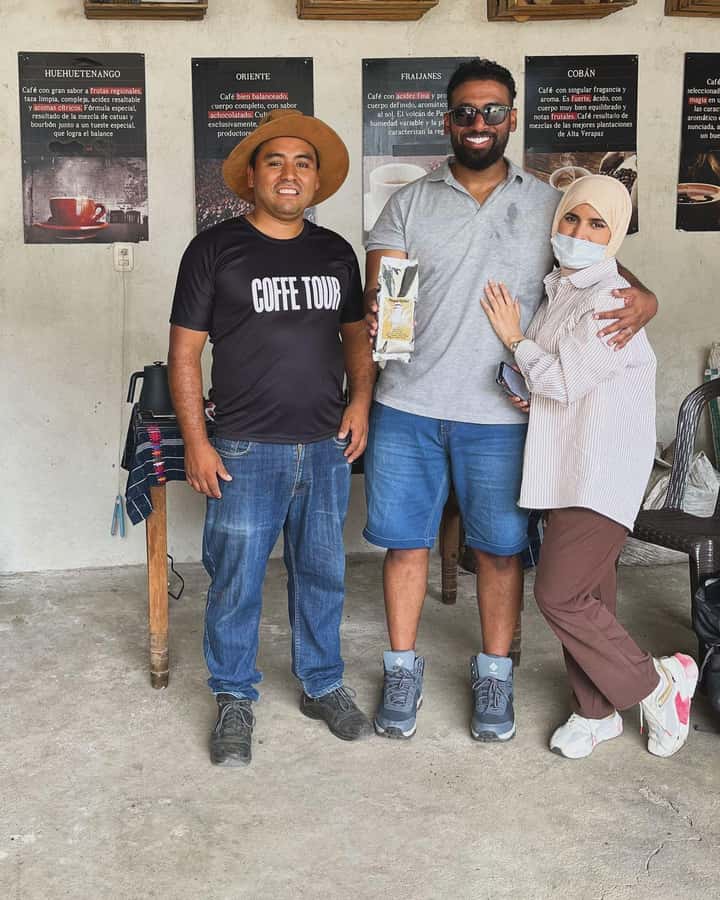
Coffee begins long before your cup. This 3-hour circuit out of Antigua Guatemala brings you into Ciudad Vieja, where coffee work and local life meet up close. I like that it is part nature time, part real-world farming education.
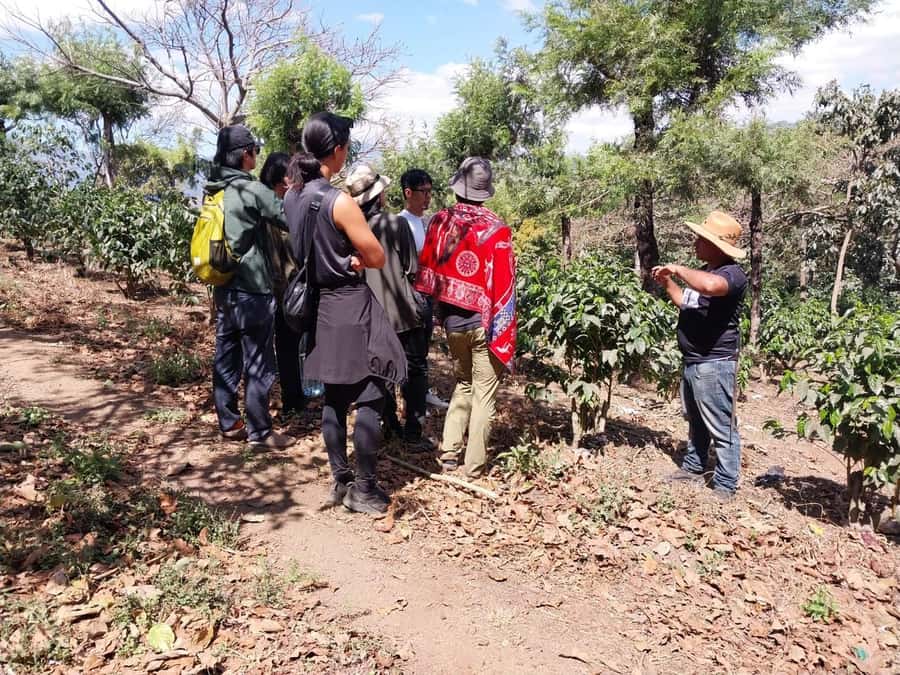
I also love meeting Baudilio and the hosting family, because they explain the coffee path from plant care to what ends up in your cup. The best part is how practical it feels, not like a lecture.
One thing to consider: this is outdoors and sunny, with walking built in. If you have an insect allergy, you should skip it, and if you do go, bring a hat and closed shoes.
In This Review
- Key highlights to look for
- Antigua Guatemala pickup to Ciudad Vieja, the 3-hour rhythm
- The 8 coffee regions, and why Guatemala’s geography matters
- Plant care, conditions, and the daily effort you can actually picture
- Fertilization and processing, from the field to the cup
- Coffee tasting in Ciudad Vieja, and what to pay attention to
- Price of $55: what you get, and why it feels fair
- What to bring, what to wear, and who this tour fits best
- Should you book this coffee farm tour from Antigua?
- FAQ
- How long is the coffee farm experience?
- Where does pickup happen?
- What languages are the live guides?
- What is included in the price?
- What should I bring?
- Is the tour suitable for everyone?
Key highlights to look for
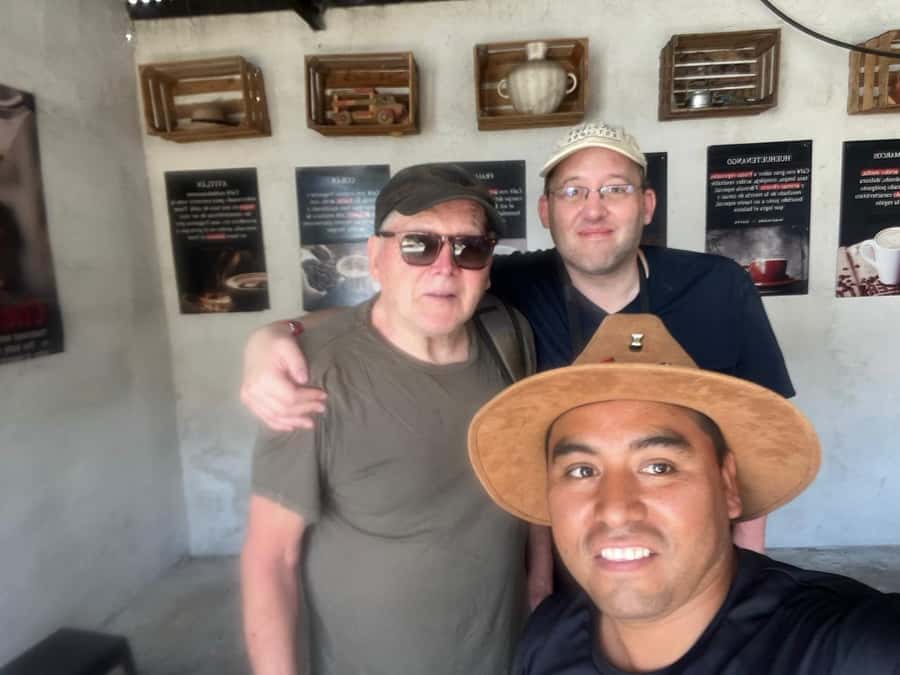
- Baudilio and family welcome you and explain the stages with warmth and patience
- 8 coffee regions are explained so you can connect Guatemala coffee to real places
- Plant care and conditions show what coffee needs to keep producing
- Fertilization and field effort help you understand the cost behind a good cup
- Tasting on the route teaches you what to notice, and you can sample more than one type
- $55 includes transport, guide, and tasting, while coffee to take home is extra
Beans, cacao and a morning on the finca. More of these reviewed
- Antigua ATV Coffee tour
★ 4.9 · 113 reviews - From Antigua or Guatemala : Coffee & Culture Full-Day Tour
★ 4.5 · 33 reviews - Coffee Tour in Antigua Guatemala
★ 4.9 · 19 reviews - Coffee farm experience
★ 5.0 · 17 reviews
Antigua Guatemala pickup to Ciudad Vieja, the 3-hour rhythm
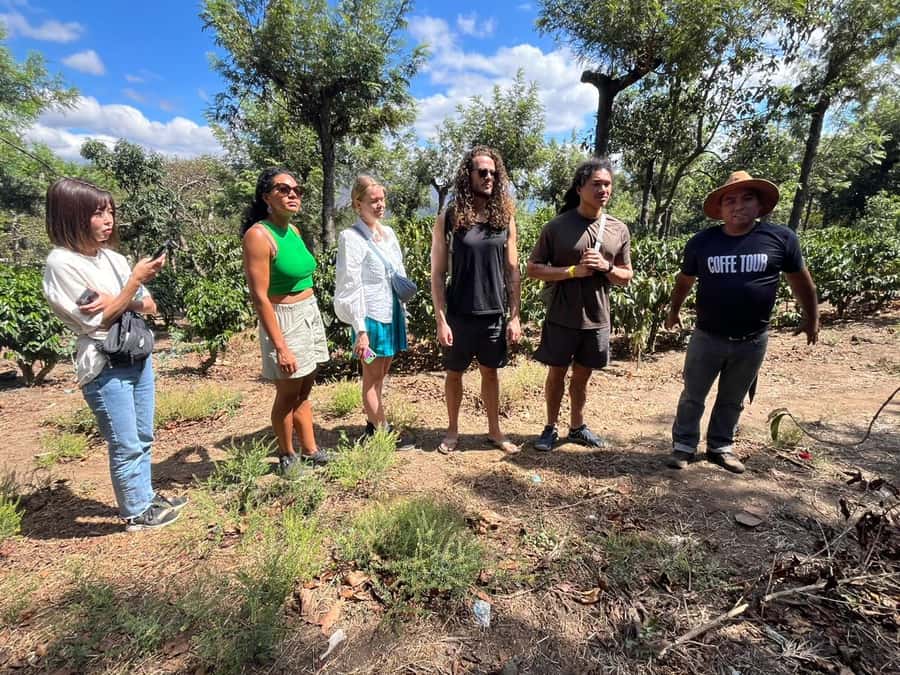
This is a short, focused outing, built around a coffee-growing circuit in the Ciudad Vieja area. You start with pickup in Antigua Guatemala, and you will meet Baudilio when he arrives in his pickup vehicle. The whole experience runs about 3 hours, with a guided portion and a 105-minute walk tied to the local route.
That timing matters. You get enough time to learn what coffee growers do daily, but you are not stuck for half a day. It is also the kind of tour that fits well between Antigua sightseeing stops, since you return to Antigua after the walk.
A practical tip: plan to dress for sun and uneven ground. You will want comfortable clothes and closed-toe shoes, and the tour strongly encourages bringing a hat or cap. If you prefer short breaks and shade, you might still be fine, but expect to be outside for most of the walk.
Also, pay attention to the language mix. The guide offers English and Spanish, but some parts may appear in the original language. The good news is that the farm itself does the explaining too, with hands-on context you can follow even when words are mixed.
The 8 coffee regions, and why Guatemala’s geography matters
One of the coolest parts is learning Guatemala’s coffee story through its 8 coffee regions. Instead of treating coffee like one generic product, you learn how the place shapes the plant, and how conditions affect what ends up in the cup.
In practical terms, this helps you when you are browsing coffee back in town. You stop thinking only about roast level or brand and start asking better questions like where the coffee was grown and what kind of growing environment it came from. Even if you are not buying technical gear, this kind of context makes tastings make more sense.
You also learn how coffee became one of Guatemala’s most important income sources. That part is not just trivia. It gives weight to the hours you see people spend in the fields. When you understand that coffee farming supports families, you start noticing the small, careful actions behind the scenes, not just the final drink.
And yes, there is a social side. The experience is designed so you can hang out with locals, not just look at plants from behind a fence. That matters because you learn coffee as a living thing, surrounded by people and daily routines.
Plant care, conditions, and the daily effort you can actually picture
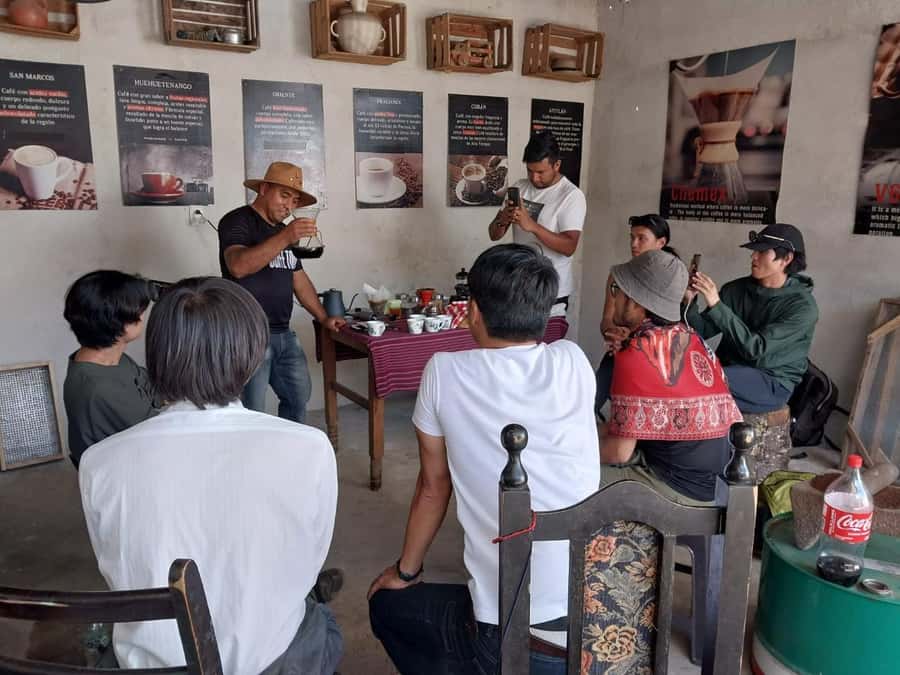
The tour focuses on what it takes to keep coffee plants healthy and producing. You learn how coffee plants are treated, the conditions a coffee plant requires, and what good care looks like day after day.
This is where the experience becomes more than a coffee photo opportunity. You are not just hearing facts about farms. You are watching the logic of farming: coffee does not thrive by accident. It needs consistent care, attention to growing conditions, and work that happens long before any roasting schedule.
You also get a clearer sense of the human pace. Coffee farming is seasonal, and that means effort comes in waves. Even within a short 3-hour visit, you see how daily labor builds toward a harvest and a final product. It is a reminder that the cup you order at a cafe is the end of a long chain, and that chain depends on people in the field.
The tour also connects coffee’s origins in Guatemala to the current reality of production. If you care about authentic experiences, this is the kind that makes Guatemala feel more specific, not just scenic. You learn how coffee fits into life in the Sacatepéquez area, in a way that feels grounded.

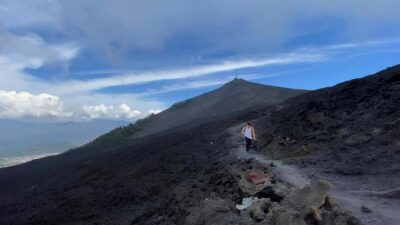
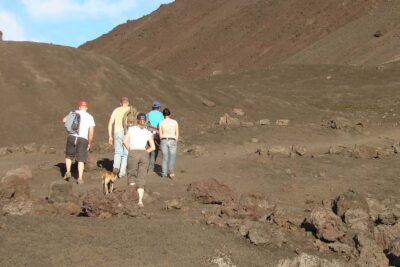

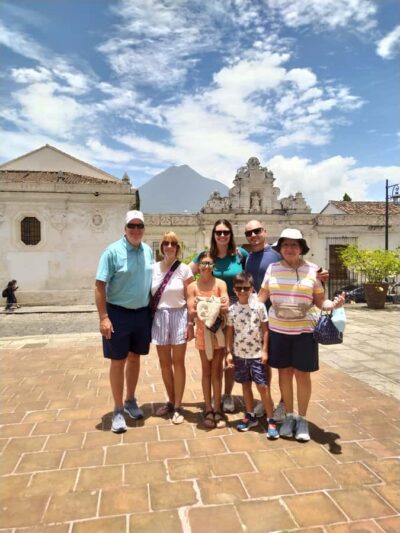
Fertilization and processing, from the field to the cup
Coffee flavor is not magic. It is agriculture plus time, and this tour explains the work involved. You learn about the fertilization processes coffee growers use, and you hear about different stages tied to cultivation and processing.
I like how this is taught in a way you can picture. Fertilization sounds like a technical word until you understand it as feeding the plant at the right times, under real farm conditions. You start to see why coffee growers talk about care like it is a responsibility, not a checklist.
One bonus detail from the experience atmosphere: the hosting family’s setup includes packaging and roasting their own coffee. That can be a big deal for quality and consistency, because it keeps the process closer to the people who grow the crop. During the route and tasting, you get a sense of how the farm side connects to what you can buy locally.
Do not expect a lab-level seminar on plant biology. Instead, expect clear explanations tied to what you can see and what you will taste. That is the sweet spot for most visitors, especially if you are pairing this with Antigua sightseeing and want learning that feels lively, not academic.
Coffee tasting in Ciudad Vieja, and what to pay attention to
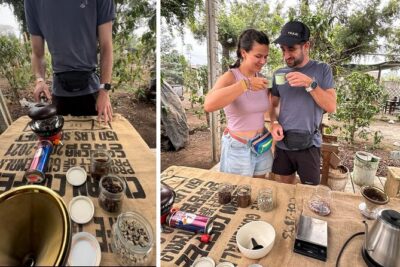
The tasting is included, and it is more than a sip-and-walk-off. You sample coffee as part of the experience, and you get guidance on how to enjoy a good cup. In the most common format, you can sample more than one type, so you can compare instead of just memorizing a single flavor.
You will also have chances to use multiple senses. You might be invited to smell and try the coffee in a way that makes you pay attention to details you normally skip. If you have ever wondered why coffee tasters seem to talk about fruit, chocolate, or flowers, this kind of guided tasting helps you connect the words to something you can actually notice.
Here is the practical payoff: after tasting, you are more likely to notice what makes coffee feel balanced versus flat, even if you cannot name every compound. You start recognizing that coffee changes with how it is grown and processed, not just how it is marketed.
And if you want to take some of the experience home, you can usually buy coffee from the farm. Just remember that coffee purchases are not included in the tour price. You will want to carry cash for those add-ons.
Price of $55: what you get, and why it feels fair
At $55 per person for a 3-hour outing, you are paying for more than a guide. The price includes transportation, a live guide, and the tasting. It also puts you in front of the people doing the work, so your money supports the farming side rather than only a middle stop.
This is the value equation I see:
- You get a structured learning experience, not just a random walk.
- You get direct access to coffee growers in Ciudad Vieja, including explanations about plants, conditions, and fertilization.
- You get a tasting, which makes the education stick because you relate it to flavor.
- You can buy coffee directly afterward, if you want, though that part costs extra.
The tour also makes clear what is not included. You should plan on paying separately for coffee to take home and for any extra drinks or food. That is normal for farm visits, but it helps to know ahead of time so you do not get surprised.
If you are the type who usually thinks farm tours are overpriced, this one might change your mind. It is short, but it has real substance: plant care, processing stages, and the human effort behind Guatemala’s coffee economy.
What to bring, what to wear, and who this tour fits best
This tour asks for basic readiness, and it is not picky, just practical.
Bring:
- Cash (useful for coffee purchases)
- A charged smartphone (for photos and notes)
- Closed-toe shoes
Wear:
- Comfortable clothes for walking
- A hat or cap for sun protection
Not allowed:
- Alcohol and drugs
Also note the suitability limits. This experience is not recommended for:
- Babies under 1 year
- People over 95 years
- People over 70 years
- People with insect allergies
If any of those apply to you, it is best to skip. For everyone else, the main comfort question is whether you are okay with an outdoor, sunny walk. If you are, you will likely enjoy the pace.
Finally, if you are sensitive to heat, start hydrating earlier in your day. The tour itself gives you the shade and break you can find, but the safest plan is to treat this like a real walk in Guatemala, not a quick stroll.
Should you book this coffee farm tour from Antigua?
I think you should book if you want coffee knowledge that feels tied to real life. You care about the origin of Guatemala coffee, you enjoy nature time, and you like meeting locals more than collecting checkmarks. The tasting, the focus on 8 coffee regions, and the explanation of plant care and fertilization make this one of those experiences that stays with you.
Skip it if you need an easy seated experience, if you have an insect allergy, or if the age guidance applies. Also, if you hate any walking at all, the 105-minute walk portion will probably feel like too much.
If you are deciding between a generic coffee stop and a farm visit, this wins on authenticity and value for learning. You will leave with a better sense of why coffee costs what it does, and what kind of effort is behind your next cup.
FAQ
How long is the coffee farm experience?
The duration is 3 hours.
Where does pickup happen?
Pickup is included from Antigua Guatemala. Baudilio arrives in his pickup vehicle.
What languages are the live guides?
The live tour guide provides English and Spanish.
What is included in the price?
Transportation, a guide, and a coffee tasting are included.
What should I bring?
Bring cash, a charged smartphone, and closed-toe shoes. A hat or cap is also recommended for sun protection.
Is the tour suitable for everyone?
It is not suitable for babies under 1 year, people over 95 years, people over 70 years, or people with insect allergies. Alcohol and drugs are also not allowed.
More Guatemala Reviews
- From Antigua: Adventure, 2-Day Hiking to Acatenango Volcano★ 4.4 · 1,189 reviews
- From Antigua: Pacaya Volcano Tour in English/Spanish★ 4.5 · 930 reviews
- From Antigua: Pacaya Volcano Trek★ 4.4 · 798 reviews
- Antigua, Guatemala: Volcano Acatenango Overnight Hiking★ 4.6 · 645 reviews
- Antigua Guatemala: City Highlights Guided Walking Tour★ 5.0 · 462 reviews
More Coffee Fincas & Cacao
- Antigua ATV Coffee tour★ 4.9 · 113 reviews
- From Antigua or Guatemala : Coffee & Culture Full-Day Tour★ 4.5 · 33 reviews
- Antigua Sip ‘n Cycle Half-Day Bike Ride and Coffee Tour★ 4.9 · 23 reviews
- Coffee Tour in Antigua Guatemala★ 4.9 · 19 reviews
- Chocolate workshop; gastronomic experience of cocoa.★ 5.0 · 7 reviews
Recently reviewed: more ways to spend a day in Guatemala
Coffee Farms & Cacao Workshops that cover the same ground.
 ★ 5.0Coffee and Gastronomic Bike Tour in AntiguaFrom $41284 reviews
 ★ 4.9Antigua ATV Coffee tourFrom $57113 reviews
 ★ 5.0Experience: Organic Coffee, Avocados, Honey & More!From $59101 reviews
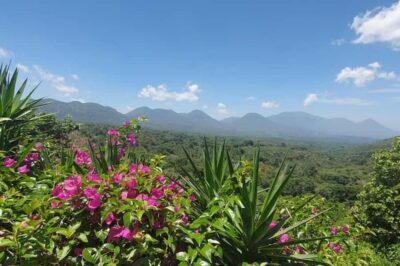 ★ 4.4San Salvador: Full Day Ruta de Las Flores and Coffee FarmFrom $9995 reviews
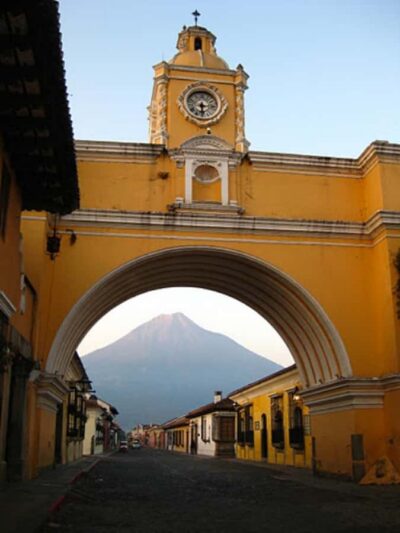 ★ 4.5From Antigua or Guatemala : Coffee & Culture Full-Day TourFrom $7733 reviews
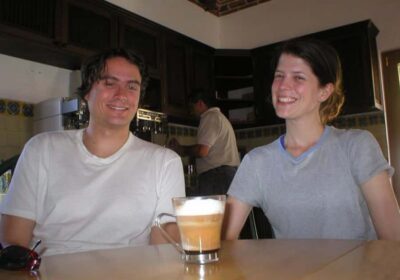 ★ 4.9Antigua Sip ‘n Cycle Half-Day Bike Ride and Coffee TourFrom $6023 reviews
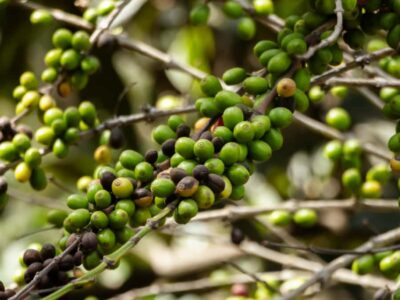 ★ 4.9Coffee Tour in Antigua GuatemalaFrom $6919 reviews
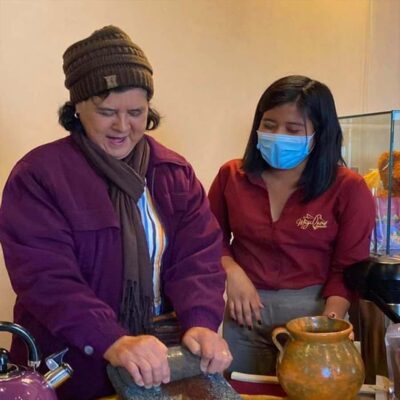 ★ 5.0Chocolate workshop; gastronomic experience of cocoa.From $327 reviews
Also on these pages