
REVIEW · COFFEE FARMS & CACAO WORKSHOPS
Experience: Organic Coffee, Avocados, Honey & More!
Coffee, avocados, honey, and bees, all in one place.
From Antigua, this hands-on eco-farm visit at The Little Green Farm GT is built for relaxed learning in a real working landscape. I like the walk-through farm rhythm, where you go from plantation to your cup and your plate, and I also like the clear focus on organic practices like composting and pollinator support. One thing to think about: it depends on good weather, so plan for an outdoor morning.
You start with easy transport from Antigua and a small group (max 10), then you spend about 2 to 3 hours tasting, learning, and getting involved. Along the way, you’ll see coffee growing and taste it, tour the avocado plots, and (when in season) make guacamole and corn tortillas. The bees and honey part is especially memorable, with a look at the setup they use to collect honey and a chance to taste it too, plus they explain how they’re aiming for organic farming through multiple compost approaches.
In This Review
- Key Highlights Worth Timing Your Antigua Day For
- The Easy Antigua-to-Farm Setup
- Coffee on a Real Farm, Not a Set Piece
- Avocado Plantation Walk, Then Guacamole and Corn Tortillas
- Bees and Honey, With a Look at the Setup
- Composting Systems: Four Ways to Make Organic Fertilizer
- Who Runs the Tour and What You’ll Experience
- Transportation, Timing, and the Small-Group Advantage
- Price and Value: Why $59 Often Feels Like More
- What to Bring and How to Get the Most Out of Your Visit
- Should You Book This Organic Coffee, Avocados, Honey Tour?
- FAQ
- How long is the Organic Coffee, Avocados, Honey & More tour?
- Where do I meet the tour?
- Does the tour include transportation?
- How big is the group?
- What will we do during the coffee part?
- Will we make guacamole and tortillas?
- What honey and bee activities are included?
- Do they talk about composting and organic farming?
- How much does it cost?
- What happens if weather is bad?
Key Highlights Worth Timing Your Antigua Day For
- Coffee from the plantation to brewing: walk the coffee area and then grind, brew, and taste coffee or tea
- Hands-on avocado and corn tortillas: you’ll tour the avocado trees, then make guacamole when in season
- Bees, pollinators, and honey collection tech: see their approach to honey, then taste the results
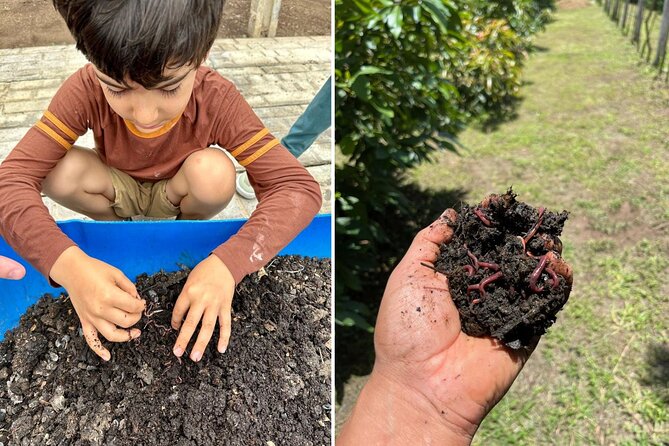
- Four different compost making methods: learn how organic fertilizer is produced
- Small group, return transport, and a relaxed pace: less hassle, more conversation with the owner-guide
- A real family farm feel: you might meet their family team and farm animals while you learn
Beans, cacao and a morning on the finca. More of these reviewed
- Experience: Organic Coffee, Avocados, Honey & More!
★ 5.0 · 101 reviews - Coffee & Macadamia Fincas Tour
★ 4.5 · 53 reviews
The Easy Antigua-to-Farm Setup
This is one of those tours that feels like it respects your time. You meet at Casa del Jade (Edificio El Jaulón), then you ride out to the farm area near San Pedro Las Huertas. Along the way you pass through the nearby town on the route, then the eco-tour starts on the property itself with a walking format.
The total time is about 2 to 3 hours, which is a sweet spot if you want something different from Antigua’s usual city blocks. Also, the group size stays small, up to 10 people, so you get better back-and-forth than on big bus-style tours.
One practical note I’d take seriously: because this is outdoors, check the weather for the day you choose. If conditions are poor, the experience can be rescheduled or refunded, so don’t book it as your one and only Plan A without flexibility.
Coffee on a Real Farm, Not a Set Piece
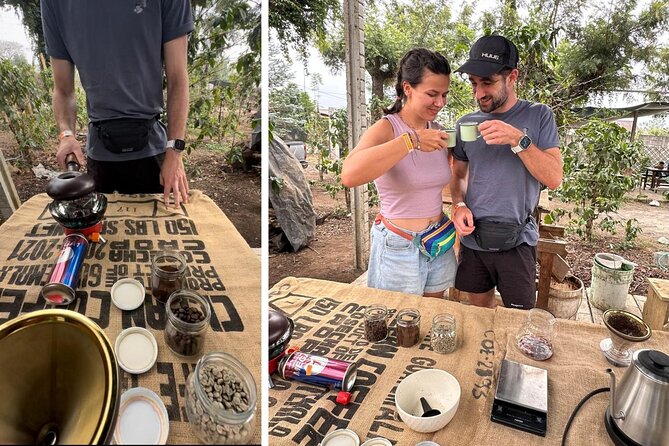
Coffee is the headliner here, and the tour makes it make sense. You’ll walk through the coffee plantation first, then you taste the coffee they grow. Many people also get hands-on with making the coffee, including grinding and brewing their own cup, sometimes after harvesting coffee berries when the timing lines up.
What I like about this approach is that it’s not just tasting, it’s process. You see the plant side, then you get the sensory learning side. When you grind the beans and brew, it turns coffee from a product into a chain of decisions: what happens before roasting, how grinding changes the cup, and why freshness matters.
The tour also includes coffee or tea, depending on what’s available that day. If you’re a coffee person, you’ll enjoy how direct it is. If you’re not, you’ll still walk away understanding why coffee tastes the way it does when it’s handled with care from bean to cup.
Avocado Plantation Walk, Then Guacamole and Corn Tortillas
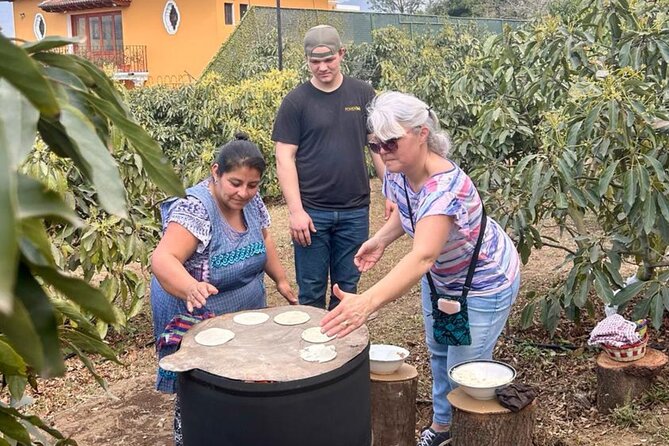
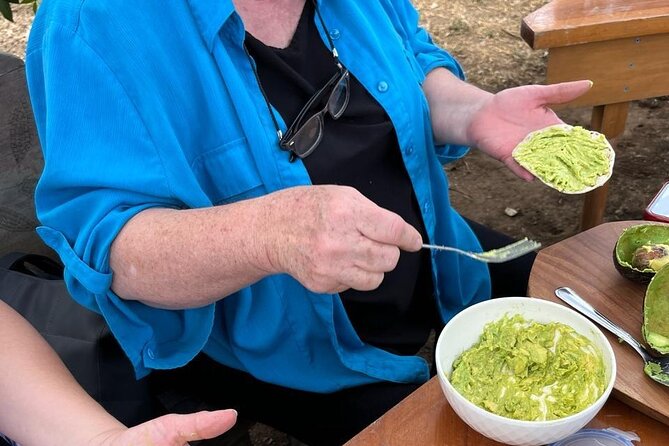
After the coffee part, you shift into food mode. You’ll walk by the avocado plantation and then work together on guacamole and corn tortillas when it’s in season.
Guacamole is one of those things that seems simple until you do it with ingredients from a farm setting. This tour leans into that, so you’re not just eating something at the end, you’re participating while the flavors still feel new. And the tortilla piece matters more than people expect. Making corn tortillas connects you to the grain, the texture, and the basic cooking steps that most visitors never see close up.
A bunch of the best moments are the ones that feel casual and real, like rolling tortillas and tasting fresh avocado together. One day you might leave with a new appreciation for how much a small farm can influence the whole meal.
If you love cooking, this section is a great use of your time. If you have kids with you, it’s also hands-on in a way that keeps attention without turning the day into a classroom.

Bees and Honey, With a Look at the Setup
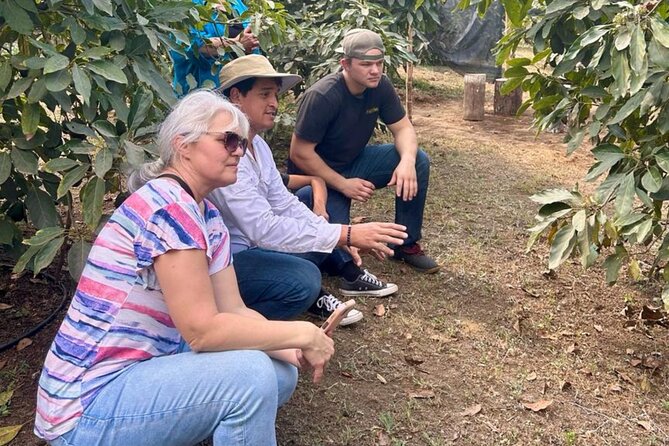
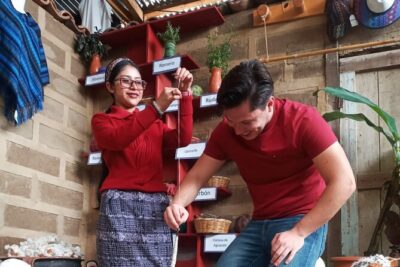
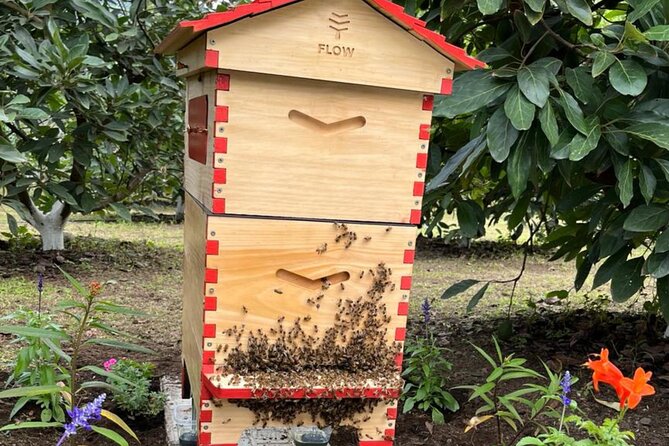
This is where the tour gets quietly fascinating. You’ll learn about the importance of bees and pollinators, then you’ll see new technology the farm uses to obtain honey. After that, you taste the honey.
Honey is tricky because it’s easy to treat it like a sweet topping. Here, you get the logic behind it: bees are working, pollination matters for fruit and plant health, and the honey collection is part of a bigger ecosystem plan.
What makes this section feel credible is that it’s paired with the farm’s broader organic approach. They don’t treat bees like a side attraction. They connect them to composting, soil health, and the way the farm supports beneficial insects.
If you’re the kind of traveler who likes food, but also likes knowing why something works, this part will hit.
Composting Systems: Four Ways to Make Organic Fertilizer
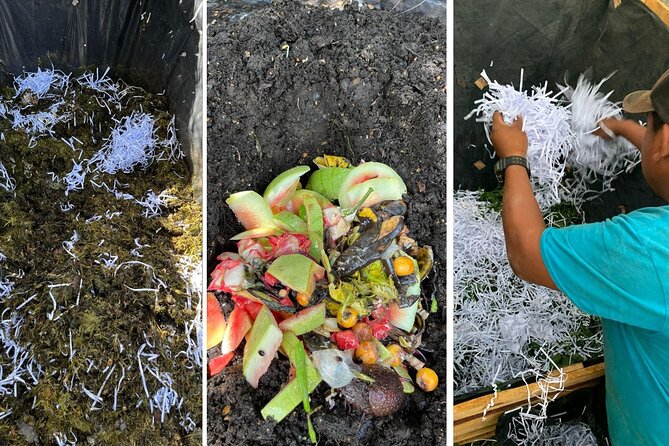
One of my favorite parts of this style of tour is when it goes under the hood. You’ll see multiple organic compost making systems, specifically four different approaches, and you’ll learn how you can make compost yourself.
This isn’t just theoretical. Compost is the behind-the-scenes engine for soil structure and plant nutrition, and it’s also one of the easiest sustainable practices for a visitor to translate into daily life back home.
They also explain how they’re making it to be organic, which helps you understand that organic farming isn’t a single switch. It’s choices that show up across soil, pests, nutrients, and the overall ecosystem.
If you’ve ever wondered how farmers handle soil without relying on chemical shortcuts, this is the section that makes that question feel answerable.
Who Runs the Tour and What You’ll Experience
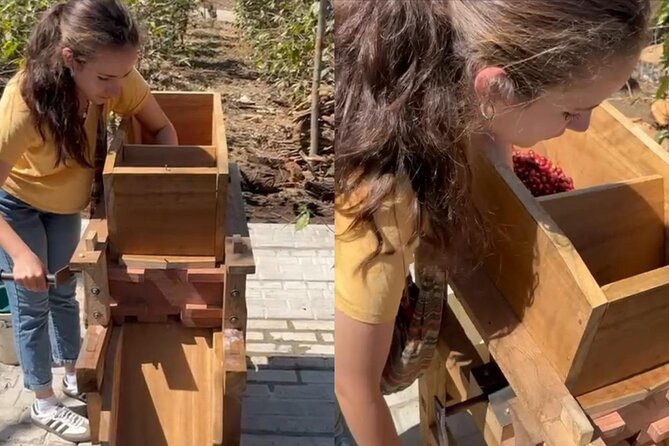
The owner-guide is Michael, and you might also see his name spelled Maykol or Maykel in some places. Either way, he runs the show and teaches in a way that keeps the experience personal.
You’ll likely meet family members who help during parts of the day. For example, Sarah is mentioned in connection with tortilla making, and Elisa is mentioned as part of the family team. Some groups also talk about farm animals like dogs and cats, which adds a gentle, lived-in feel rather than a staged attraction.
The tone is friendly and interactive. In particular, a recurring theme is that the guide keeps things hands-on, including for kids. People describe their children getting involved and trying coffee and avocado they might not have tried at home. That makes this tour a strong family option, not because it’s watered down, but because it turns learning into doing.
Transportation, Timing, and the Small-Group Advantage
This tour starts at 9:30 am and returns back to the same meeting point area. Transportation is included as part of the experience, and that matters because it removes the biggest hassle of farm tours, getting there and getting back without stress.
The max group size is 10, and you feel it in how the day moves. You get time for questions, and you’re not constantly waiting for someone else to catch up. It also helps the guide manage the tour as a conversation, not a lecture.
From a scheduling perspective, 2 to 3 hours is practical. You can fit this before a longer lunch, or pair it with another Antigua activity later in the day. It’s also close enough to the city that it doesn’t feel like a full-day escape.
Price and Value: Why $59 Often Feels Like More
At $59 per person, you’re paying for more than a ride and a few bites. You’re paying for farm access plus guided instruction, and you’re getting multiple food and learning stops in one compact timeline.
Here’s what makes the value work:
- Coffee and avocado are part of the price, not add-ons. Many food-focused tours deliver samples, but this one connects samples to farming and preparation.
- Honey and bees are included, giving you a second food theme beyond just fruit.
- Hands-on tortilla and guacamole steps can be worth a lot because you’re learning practical food skills.
- Composting systems add educational depth that most food tours skip.
If you’re comparing against other Antigua day tours, the best way to judge value is by how much you actually do. This is built around participation, tasting, and walking through real organic systems.
What to Bring and How to Get the Most Out of Your Visit
Because it’s an outdoor walking tour, you’ll enjoy it more if you’re ready for farm-morning conditions. Think sun and comfort first. Wear comfortable shoes and bring water. If you’re visiting during a warmer stretch, light layers and a hat help.
If you’re serious about learning, bring curiosity. Ask how compost choices affect avocado health. Ask what bees do for orchard plants. Ask what “in season” means for guacamole and tortillas when you book.
If you’re traveling with kids, this is one of those rare tours where they can do real tasks. Set expectations for tasting and making, not just looking.
Should You Book This Organic Coffee, Avocados, Honey Tour?
Book it if you want a morning in Antigua that feels like Guatemala, not a factory of photo stops. The small-group size, the owner-guide-led feel, and the combination of coffee, avocado, honey, and composting make it a strong choice.
Skip it or consider another option if you want a purely scenic, low-participation tour. This one rewards people who like to ask questions and get hands-on with food and farm learning. Also, choose your date with weather in mind.
If you want one practical rule: if farm-to-table connects with you, and you like understanding how food is grown, you’ll probably consider this a top-value Antigua experience.
FAQ
How long is the Organic Coffee, Avocados, Honey & More tour?
It runs about 2 to 3 hours.
Where do I meet the tour?
You meet at Casa del Jade, Edificio El Jaulón, 4a Calle Ote. 10, Antigua Guatemala 03001.
Does the tour include transportation?
Yes. The experience includes return transport back to the meeting point.
How big is the group?
The tour has a maximum of 10 travelers.
What will we do during the coffee part?
You’ll go through the coffee plantation and taste coffee. Many parts of the experience include hands-on steps like grinding and brewing coffee or tea.
Will we make guacamole and tortillas?
You’ll make guacamole when it’s in season, and you’ll also make corn tortillas.
What honey and bee activities are included?
You’ll learn about the importance of bees, see technology used to obtain honey, and taste the honey.
Do they talk about composting and organic farming?
Yes. You’ll see four different organic compost making methods and learn how the farm is working toward organic practices.
How much does it cost?
The price is $59.00 per person.
What happens if weather is bad?
The experience requires good weather. If it’s canceled due to poor weather, you’ll be offered a different date or a full refund.
More Guatemalan Coffee
- Coffee and Gastronomic Bike Tour in Antigua★ 5.0 · 284 reviews
- Coffee & Macadamia Fincas Tour★ 4.5 · 53 reviews
More Guatemala Reviews
- Adventure Antigua – The Xtreme Circumnavigation★ 5.0 · 959 reviews
- Hike to Pacaya Volcano from Antigua★ 4.5 · 502 reviews
- Scenic Full Day Tour of Antigua★ 5.0 · 472 reviews
- Snorkel – Lobster Lunch Cruise to Bird Island and Paradise Reef★ 5.0 · 438 reviews
- Lake Atitlan One Day Tour from Antigua★ 4.5 · 288 reviews
More Coffee Fincas & Cacao
- Coffee and Gastronomic Bike Tour in Antigua★ 5.0 · 284 reviews
- Coffee & Macadamia Fincas Tour★ 4.5 · 53 reviews
Recently reviewed: more ways to spend a day in Guatemala





Coffee Farms & Cacao Workshops that cover the same ground.
 ★ 5.0Coffee and Gastronomic Bike Tour in AntiguaFrom $41284 reviews
 ★ 4.9Antigua ATV Coffee tourFrom $57113 reviews
 ★ 4.4San Salvador: Full Day Ruta de Las Flores and Coffee FarmFrom $9995 reviews
 ★ 4.5From Antigua or Guatemala : Coffee & Culture Full-Day TourFrom $7733 reviews
 ★ 4.9Antigua Sip ‘n Cycle Half-Day Bike Ride and Coffee TourFrom $6023 reviews
 ★ 4.9Coffee Tour in Antigua GuatemalaFrom $6919 reviews
 ★ 5.0Coffee farm experienceFrom $5517 reviews
 ★ 5.0Chocolate workshop; gastronomic experience of cocoa.From $327 reviews
Also on these pages