
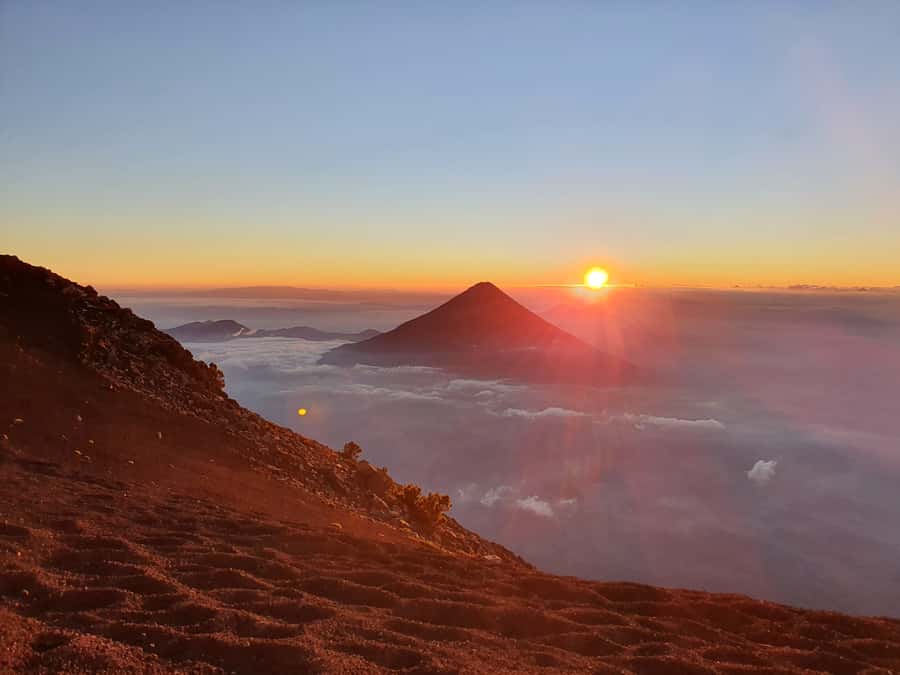
REVIEW · ACATENANGO VOLCANO HIKES
Antigua, Guatemala: Volcano Acatenango Overnight Hiking
Two days on Acatenango changes your whole day. From Antigua, you earn huge volcanic views, plus a real night close to Volcán de Fuego. I especially like how the guides keep the pace human and how the basecamp setup makes the cold night feel survivable. One drawback: this is a hard, steep hike with big temperature swings.
What makes it memorable is the mix of effort and reward. You climb into otherworldly volcanic terrain, then camp at about 3,700 meters in Form-A style cabins with a sleeping bag. Guides like Cristian and Francisco (and others, depending on your group) are repeatedly praised for patience, communication, and keeping slower hikers from feeling left behind.
Still, go in with eyes open. The summit and night conditions can get very cold and windy, and your comfort depends heavily on what you pack and how warm you dress. Also, water and key fees are not included, so you need to budget cash and plan snacks.
In This Review
- Key things I’d plan around
- Entering Acatenango Overnight From Antigua: what you are really buying
- Day 1 from Tanque La Unión to the Acatenango trail: the hard climb starts fast
- A practical reality check
- Lunch, then camp: how the Fuego view becomes the main event
- What that means for your comfort
- The sunset and the sound you cannot un-hear
- Day 2 sunrise: early wake-up, breakfast, then the descent
- The descent is where knees complain
- Included meals and why they matter more than you think
- Price and value: is $90 really fair for Acatenango Overnight?
- Gear and packing: the difference between “cold” and “miserable”
- Don’t forget the small stuff
- Gear rental is available, but don’t treat it like new gear shopping
- Optional Fuego and sunset add-ons: how to decide when your legs should stop
- Who this hike fits, and who should skip it
- Guides and group size: why it feels safer than the hardest parts
- Should you book Acatenango Overnight Hiking?
- FAQ
- What does the $90 per person include?
- What fees are not included?
- Is water provided on the hike?
- What sleeping setup do you get at basecamp?
- Can I rent gear instead of bringing it?
- Do I need to send my passport number?
- How early is sunrise?
- Where do I meet in Antigua?
- Who is this hike not suitable for?
Key things I’d plan around
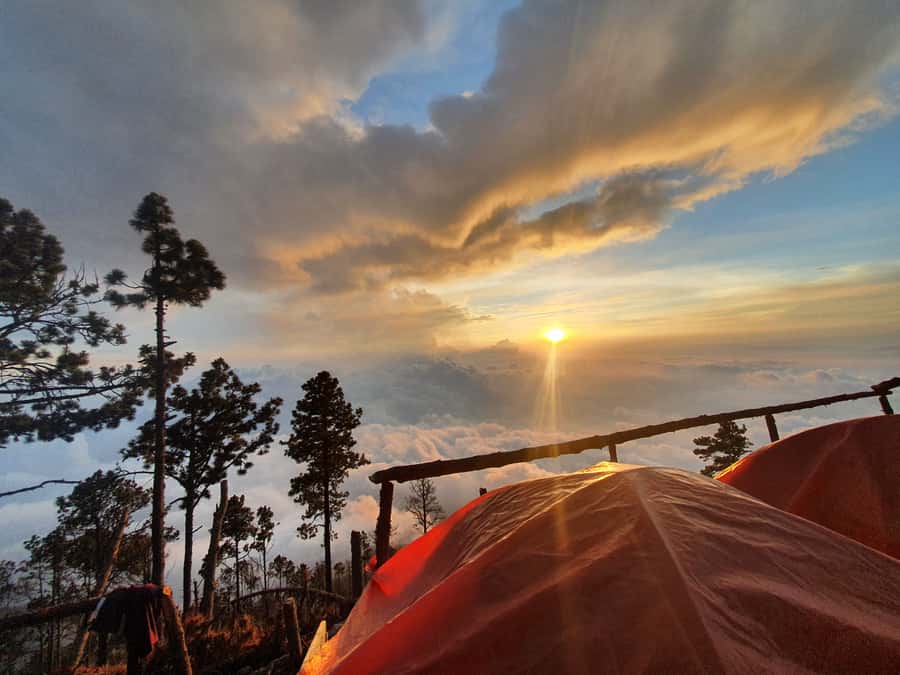
- A real basecamp with Fuego views: you sleep close enough to hear and see eruptions when conditions are right
- Guides that pace the group: many departures run small enough that you are not just a number
- Sunrise early, summit effort back-to-back: you will feel it in your legs on day two
- Form-A cabins, not plush hotels: cozy enough, but expect wind, basic facilities, and simple bedding
- Gear matters more than you think: poles, warm layers, and solid footwear are repeatedly called out
Basing yourself in Antigua Guatemala? These run from the same cobbled streets
- From Antigua: Pacaya Volcano Tour in English/Spanish
★ 4.5 · 930 reviews - From Antigua: Pacaya Volcano Trek
★ 4.4 · 798 reviews - Antigua, Guatemala: Volcano Acatenango Overnight Hiking
★ 4.6 · 645 reviews - Antigua Guatemala: City Highlights Guided Walking Tour
★ 5.0 · 462 reviews
Entering Acatenango Overnight From Antigua: what you are really buying
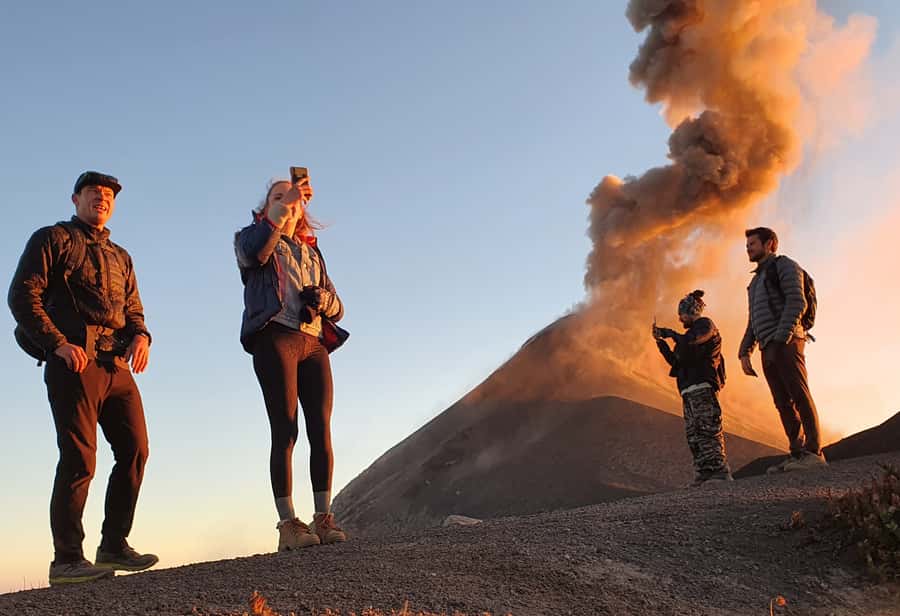
This is an overnight hike that trades comfort for closeness. You do not just look at Guatemala’s volcano story from a viewpoint. You go high, spend the night at altitude, and then get a dawn moment where the mountains look like they go on forever.
At $90 per person, the value is not just the badge price. You are getting round-trip transportation from Antigua, a professional guide, and all the main meals plus hot drinks. You also get your sleeping bag and a frame-A cabin setup. For a hike this demanding, those inclusions matter, because the hardest part is not the view. It is staying warm, fueled, and moving safely when your body is tired.
That said, this trip is not for everyone. If you have back issues, heart problems, epilepsy, or altitude sensitivity, the tour specifically says it is not suitable. You also need to bring your own water, and the tour entrance fee and any optional volcano add-ons can add up.
Day 1 from Tanque La Unión to the Acatenango trail: the hard climb starts fast
You meet at Tanque La Unión, 6a Calle Oriente, Antigua Guatemala. Then you transfer to the trail area, typically in a shared van. Once you start walking, the character of the hike is clear right away: it is mostly incline, with uneven footing and volcanic dust.
I like that the experience is structured. You are not left to wander. A guide leads the route up Acatenango, and you get set breaks rather than a random free-for-all. That matters because on steep climbs, the wrong pace turns a hike into a struggle.
You also get a lunch break along the way, with food that is actually designed for endurance: grilled chicken, mashed potato, and green salad. In plain terms, you need calories that are not just sugar. This kind of meal helps you keep your energy for the long push.
As you climb, the scenery shifts from town-adjacent hills to raw volcanic surroundings. Part of the charm is how close you feel to the mountain’s power, including areas that feel like a lava corridor. You are walking through a landscape shaped by past activity, not a landscaped park.
A practical reality check
The first part is usually the steepest and hardest. Many people say the opening miles feel like the uphill “tax,” after which it becomes more manageable. If you are planning your effort, go slow early. Save your energy for the final climb segments, because your legs will need it later.
Sizing up the Acatenango climb? Compare the overnight options here
Lunch, then camp: how the Fuego view becomes the main event
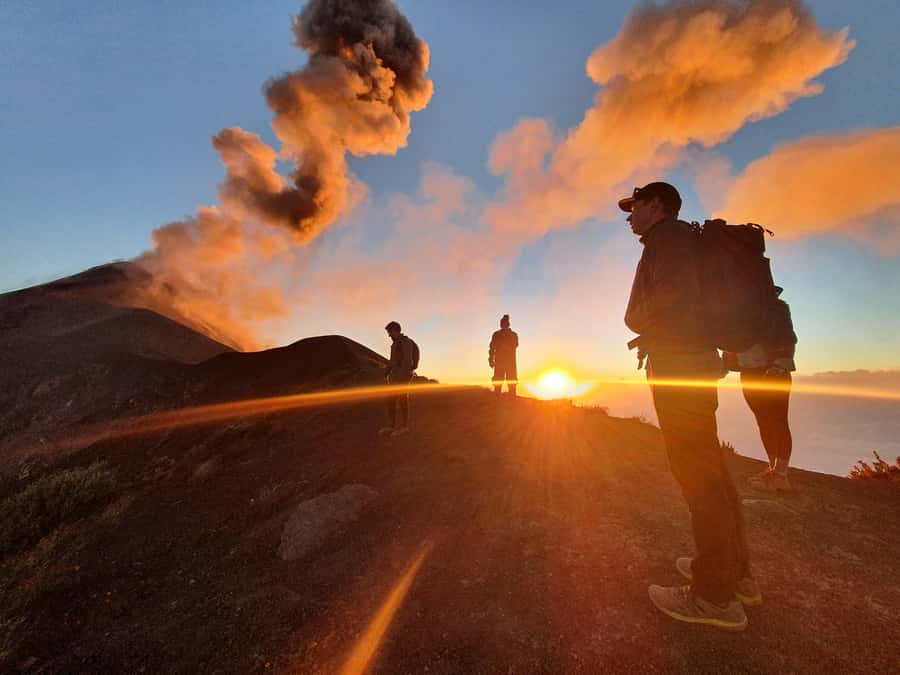
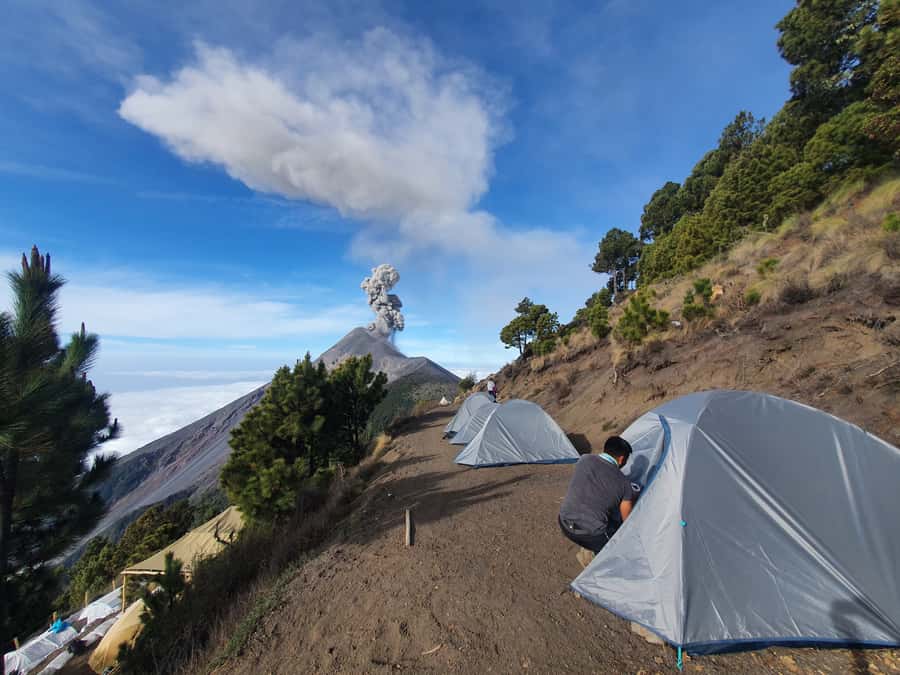
By the time you reach basecamp, the day switches from climbing to watching. Basecamp is set up with the priority on views of Volcán de Fuego. You hike to a location where you can see the sunset over the mountains and, on the right night, spot lava flow and volcanic activity.
Dinner is included at camp, with chop suey and rice. Then you get a hot drink at night, typically chocolate. That sounds simple, but at altitude, warmth becomes a morale strategy. People talk about the hot drinks and the fire because they help you stop thinking about fatigue and start enjoying the moment.
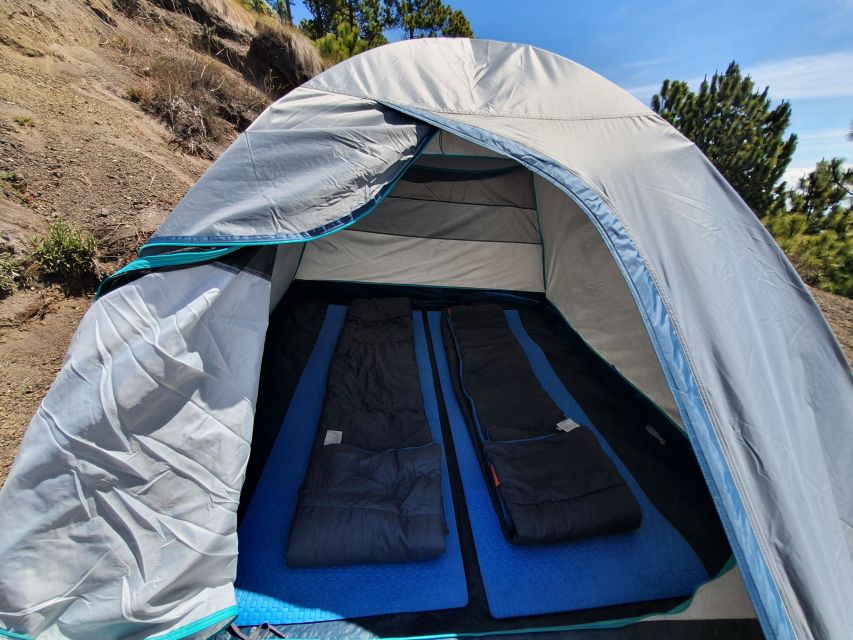
And yes, you sleep high. The cabin and sleeping bag setup is at around 3,700 meters above sea level, so even if you feel fine at first, you can get hit by cold once the sun drops. Cabins are Form-A style, basically a shelter that cuts wind better than tents, but it is still basic.
What that means for your comfort
Expect the trip to feel like this:
- You will be warm while moving.
- You will get cold once you stop.
- You will be okay if you layer correctly before you go to bed.
One small but real comfort tip: some hikers found the sleeping bag area basic and suggested bringing a pillow liner or a small liner for cleanliness. That is not required, but it can improve your sleep.
The sunset and the sound you cannot un-hear
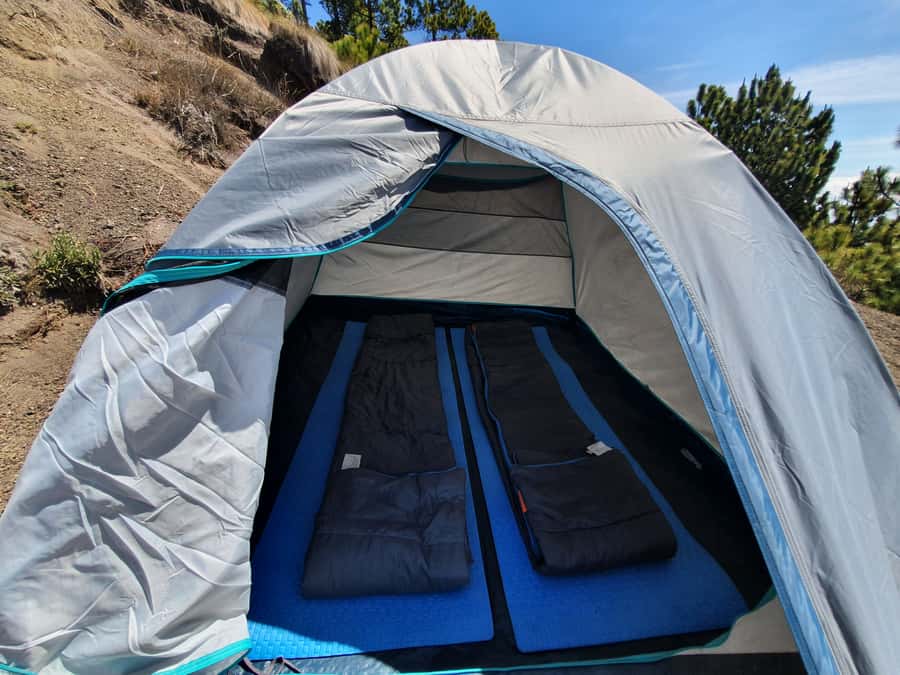
Basecamp is the stage. After you set up, you wait for the light to change. When Fuego is active, you may see glowing activity, and some people report hearing the explosions from your camp area.
This is one of the most praised parts of the experience. The camp location makes the volcano feel close, so the emotional payoff does not wait until the next day. It starts while you are eating dinner and sipping hot chocolate near the fire.
The balance is good too. You are not forced to do extra hikes to enjoy the volcano. You are positioned where the view is the default, not an earned bonus.
Day 2 sunrise: early wake-up, breakfast, then the descent
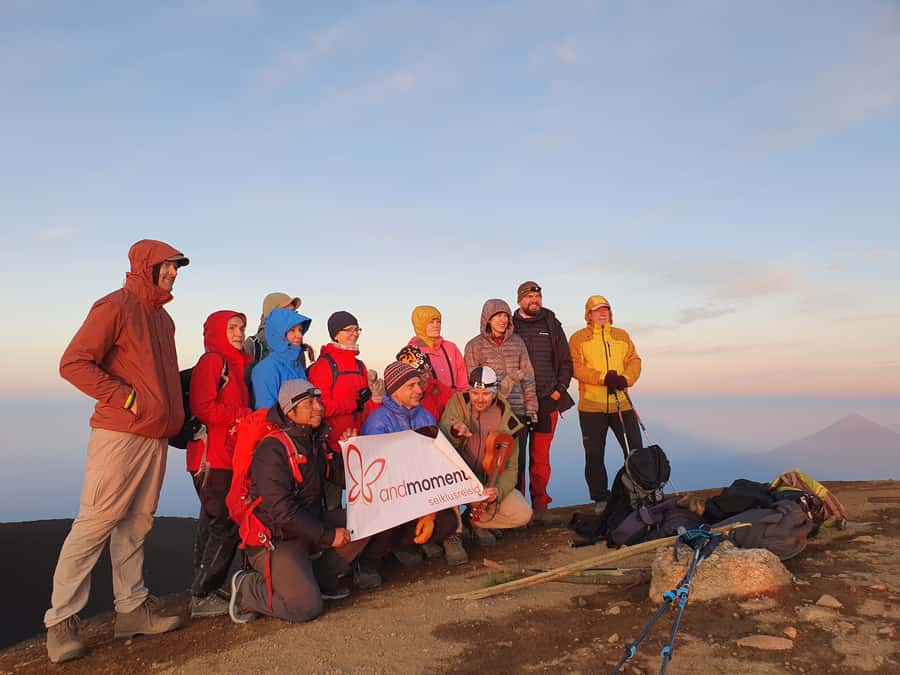
You wake up early to catch sunrise. Many hikers mention sunrise around 4:30 to 5:00am, then breakfast afterward at camp. Included breakfast is oatmeal, pancakes, and banana. That is a strong mix for a cold morning. You need carbs and something warm before you start moving again.
This is also where Acatenango becomes a second test. You will be tired. Your body knows yesterday happened. Even if the sunrise is the headline, the sunrise push is also a physical reminder that day two is not a walk in the woods.
After breakfast, you pack up and trek back down toward La Soledad, then you board the bus back to Antigua.
The descent is where knees complain
Downhill is tricky. It is easier to breathe, but your ankles and knees take the hit because you need to control each step on uneven ground. Many hikers recommend hiking poles because they reduce strain and help with stability. If you only bring one “comfort upgrade,” poles are it.
Included meals and why they matter more than you think
A lot of hikes feed you, but not all food helps you hike. Here, the schedule is consistent: lunch day one, dinner day one, breakfast day two. That means you can plan your energy instead of guessing what the next hour will bring.
Included:
- Hot drinks like chocolate
- Lunch: grilled chicken, mashed potato, green salad
- Dinner: chop suey and rice
- Breakfast: oatmeal, pancakes, banana
Water is not included, so you must plan hydration yourself. Several hikers advise bringing multiple liters. If you bring only a small bottle, you will feel it. At altitude, you also burn energy differently.
My advice: treat hydration as part of your prep, not an afterthought. Add electrolytes if you usually get wiped out on hikes. And carry a little extra snack food even if you trust the meals. People often want bite-sized energy for the steep stretches.
Price and value: is $90 really fair for Acatenango Overnight?
At $90 per person for two days, you are buying more than a guided walk. You get:
- Professional guide support
- Round-trip transport from Antigua
- Sleeping bag and cabin frame-A style lodging
- Lunch, dinner, and breakfast
- Hot drinks
Where the cost can feel higher is what is not included:
- Entry fee (Q100 per person)
- Water
- Gears (with rentals available if you request)
On top of that, optional volcano add-ons can cost extra. Some hikers report paying extra for a closer Fuego hike in the range of Q200 to Q300, depending on the day and what is offered.
So is it worth it? I think it can be, because this hike is hard enough that skipping guide-led pacing and meals would cost you more in energy, time, and comfort. When guides are small-group focused, the experience stays safer and more personal.
One more value point: many groups are small, and that affects your quality of the hike. You spend less time waiting and more time hiking at a pace that fits your breathing.
Gear and packing: the difference between “cold” and “miserable”
You will get cold at altitude. The tour instructions say to bring warm clothing and winter-sports style gear, plus hiking shoes, water, flashlight, and cash. That advice is not overkill.
From what people report, the most high-impact items are:
- Hiking poles (strongly recommended for the steep and the descent)
- Solid hiking shoes with grip (avoid slippery footing)
- Gloves and a beanie (cold wind is real)
- Warm layers you can add fast
- A headlamp or flashlight for early morning movement
- Extra socks and a way to keep your feet warm
Also, pay attention to what you bring because you will carry it. Several hikers mention keeping the load controlled, since you need everything on your back during the climb.
Don’t forget the small stuff
- Bring cash for the entrance fee (Q100) and any extras.
- If you are sensitive to dust, a bandana can help for the early dusty sections.
- Toilets at camp can be basic. People mention a hole in the ground, with limited handwashing options. Bring toilet paper and a few hand wipes.
Gear rental is available, but don’t treat it like new gear shopping
Gear can be rented if you ask ahead, but some people reported rentals not matching their exact sizes or feeling a bit used. If you can, bring your own essentials like poles and warm layers. If you have to rent, try to arrive ready and fit-focused.
Optional Fuego and sunset add-ons: how to decide when your legs should stop
Basecamp is already built around Fuego. That is the key. Extra hikes are optional, and they cost extra time and energy.
Many people do the additional Fuego hike because it gets you closer and intensifies the experience. Some hikers also mention an extra sunset hike option. The downside is that these add-ons take more hours and can be punishing if you are already drained by the Acatenango climb and altitude.
Here is the decision rule I use:
- If you feel steady, you have energy after day one, and you handle altitude well, the add-on can be worth it.
- If you have early fatigue, altitude symptoms, or simply know you will regret pushing too hard, skip it. You can still see Fuego from camp and enjoy the fire and eruptions atmosphere.
Also, weather changes everything. Cloud and fog can hide Fuego views at times, and sunrise conditions vary. If you are going to spend the money, go with a mindset that you are here for the hike, not only a guaranteed lava show.
Who this hike fits, and who should skip it
This is not a casual hike. It is steep, demanding, and done at altitude. The tour says it is not suitable for:
- People with back problems
- People with heart problems
- People with epilepsy
- People prone to seasickness
- People over 254 lbs (115 kg)
Even for people who are generally fit, plan for the reality that you will be working at the edge of your comfort level. A good day starts with the right mindset: slow pace, steady breathing, and breaks without ego.
If you want the kind of travel experience where you earn the view and remember it for years, this is for you. If you want smooth paths, guaranteed comfort, and warm bedding like a hotel, you will be happier skipping this one.
Guides and group size: why it feels safer than the hardest parts
One reason this experience scores well is the guide support. Multiple guides are mentioned across different groups, including Cristian, Francisco, Cristian again, and also people like Cristian, Cristian and Francisco, and others such as Adan, Juan, Eduardo, Willy, Eduardo, Luis, Orlando, and Alex in various outings.
Even if the exact guide changes, the approach shows up the same way:
- Regular breaks
- Pacing that matches the group
- Encouragement at the tough parts
- Clear communication so you feel included, not lost
Small group dynamics also matter. People praise smaller groups like 8 to 12 hikers because faster walkers are not sprinting ahead, and slower hikers get support without feeling awkward.
It is still your body making the climb. But the guides help your body do it.
Should you book Acatenango Overnight Hiking?
Book it if you want a demanding but well-organized volcano experience, and you are comfortable with cold nights and a serious incline. You will probably love the close basecamp access to Fuego, the sunrise early start, and the fact that meals and sleeping setup are handled for you.
Skip it if you need easy hiking, you are not comfortable carrying water and layers for altitude conditions, or you fall into the tour’s medical or weight limitations. This trip is real effort. The payoff is also real.
If you are on the fence, go prepared and pack warmth like it matters, because it does. Then trust the guides, take the breaks you are offered, and let Acatenango do what it does best, turn effort into a view you cannot forget.
FAQ
What does the $90 per person include?
The price includes round-trip transportation, a professional guide, hot drinks like chocolate, and meals for both days (lunch, dinner, and breakfast). You also get a sleeping bag and a Form-A style cabin (or similar cabin setup).
What fees are not included?
The entry fee is listed separately at Q100 per person. Water is also not included, and gear is not included in the base price.
Is water provided on the hike?
No. Water is not included, so you should bring enough for the climb and the cold morning.
What sleeping setup do you get at basecamp?
You sleep in a Form-A cabin with a sleeping bag and mattress. Basecamp is at about 3,700 meters above sea level, so bringing warm layers is important.
Can I rent gear instead of bringing it?
Yes, gear rentals are available if you request them in advance. The tour notes that gears are not included, so you should either bring your own or ask to rent what you need.
Do I need to send my passport number?
Yes. The tour requires your passport number.
How early is sunrise?
You wake up early for sunrise. Based on schedules people share, sunrise is around 4:30 to 5:00am.
Where do I meet in Antigua?
You meet at Tanque La Unión, 6a Calle Oriente, Antigua Guatemala.
Who is this hike not suitable for?
The tour states it is not suitable for people with back problems, heart problems, epilepsy, people prone to seasickness, and people over 254 lbs (115 kg).
More Guatemala Reviews
- From Antigua: Adventure, 2-Day Hiking to Acatenango Volcano★ 4.4 · 1,189 reviews
- From Antigua: Pacaya Volcano Tour in English/Spanish★ 4.5 · 930 reviews
- From Antigua: Pacaya Volcano Trek★ 4.4 · 798 reviews
- Antigua Guatemala: City Highlights Guided Walking Tour★ 5.0 · 462 reviews
- FROM ANTIGUA, ROUND TRIP: EXPLORING THE VILLAGES OF LAKE ATITLÁN.★ 4.6 · 382 reviews
More Acatenango Climbs
- From Antigua: Adventure, 2-Day Hiking to Acatenango Volcano★ 4.4 · 1,189 reviews
- Antigua: 2-Day Acatenango Volcano Hike w/Local Guide & Meals★ 4.3 · 43 reviews
- 1 Day Acatenango Volcano Hike from Antigua★ 4.8 · 12 reviews
- Acatenango Volcano Overnight Hike 2-Day Camping &Fuego Views★ 3.6 · 10 reviews
- Acatenango Volcano 2-Day Hike★ 5.0 · 9 reviews
More Out of Antigua Guatemala
- From Antigua: Adventure, 2-Day Hiking to Acatenango Volcano★ 4.4 · 1,189 reviews
- From Antigua: Pacaya Volcano Tour in English/Spanish★ 4.5 · 930 reviews
- From Antigua: Pacaya Volcano Trek★ 4.4 · 798 reviews
- Antigua Guatemala: City Highlights Guided Walking Tour★ 5.0 · 462 reviews
- FROM ANTIGUA, ROUND TRIP: EXPLORING THE VILLAGES OF LAKE ATITLÁN.★ 4.6 · 382 reviews
Recently reviewed: more ways to spend a day in Guatemala
Acatenango Volcano Hikes that cover the same ground.
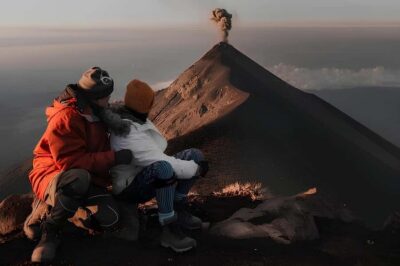 ★ 4.4From Antigua: Adventure, 2-Day Hiking to Acatenango VolcanoFrom $541,189 reviews
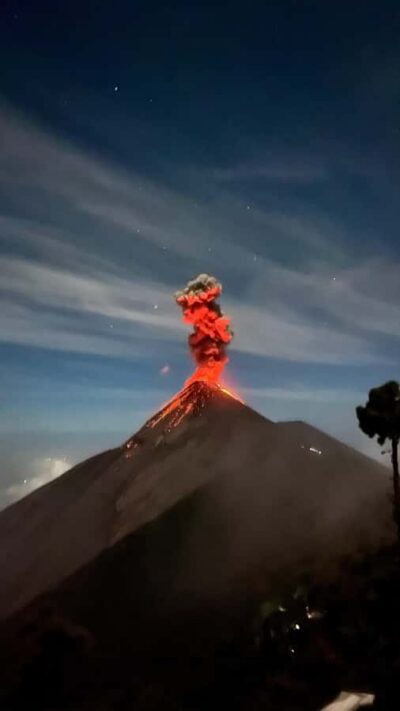 ★ 4.1From Antigua: 2-Day Acatenango Volcano Hiking with GuideFrom $53366 reviews
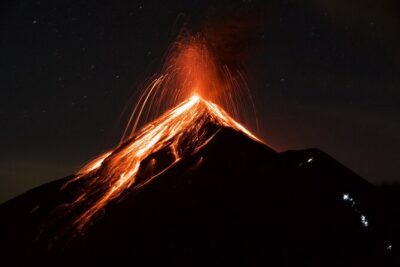 ★ 4.5Overnight Adventure Hike Acatenango VolcanoFrom $84151 reviews
 ★ 4.3Antigua: 2-Day Acatenango Volcano Hike w/Local Guide & MealsFrom $9843 reviews
 ★ 4.81 Day Acatenango Volcano Hike from AntiguaFrom $17012 reviews
 ★ 3.6Acatenango Volcano Overnight Hike 2-Day Camping &Fuego ViewsFrom $15010 reviews
 ★ 5.0Acatenango Volcano 2-Day HikeFrom $2459 reviews
 ★ 3.12-day tour from Antigua 1 night in Acatenango VolcanoFrom $924 reviews