
REVIEW · GUATEMALAN COOKING CLASSES & STREET FOOD
Antigua: Cooking Class with Local Family
Hand-grinding corn feels like time travel.
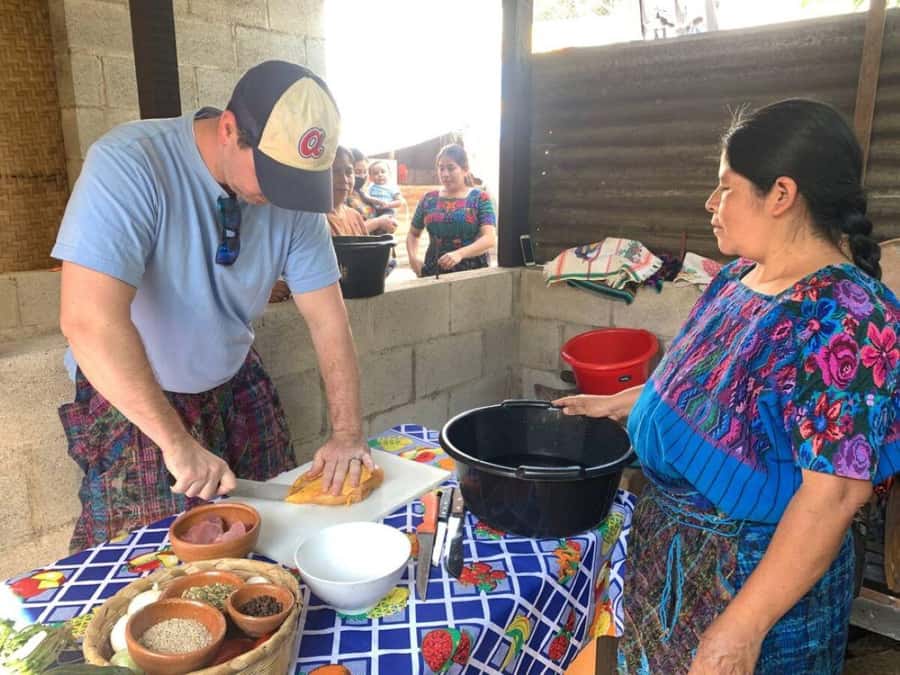
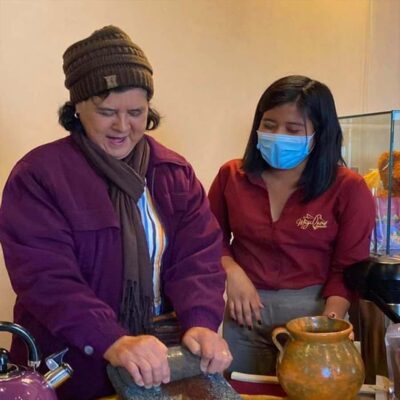
What makes this Antigua class special is the pedernal stone grind, using your hands the way Maya communities have done for thousands of years, not by pressing buttons in a modern kitchen. You also get real cooking time with a local family, so the class feels more like an afternoon at someone’s home than a scripted food show.
One thing to plan for: you need to share dietary restrictions and any food allergies in advance, since the menu and dishes can vary by region and even by special-season needs.
In This Review
- Key highlights worth your attention
- A 4-Hour Antigua Rhythm, Market to Lunch
- The Pedernal Stone Part, Why Your Hands Change the Flavor
- Picking Ingredients the Local Way in Antigua
- Cooking With a Local Family, and Learning the Real Technique
- What dishes you might make
- Tortillas: a skill you can actually repeat
- How the Traditional Methods Translate to Your Home Kitchen
- Food Variations, Allergies, and Seasonal Menu Changes
- Price and Value: What You Really Get for $75
- Logistics That Matter: Small Group, Private Activity, and Transport
- What to Bring (So You Feel Comfortable, Not Stressed)
- Who This Cooking Class Suits Best
- Should You Book This in Antigua?
- FAQ
- How long is the cooking class?
- How many people are in the group?
- What kind of dishes will I cook?
- Does the price include ingredients and transportation?
- Is alcohol included?
- What languages are available for the guide?
- Do they accommodate dietary restrictions and allergies?
- Is the activity wheelchair accessible?
- What is the cancellation policy?
- Is there a pay later option?
Key highlights worth your attention
- Pedernal stone grinding of corn, seeds, and spices by hand
- Family-led cooking with traditional ingredients and heritage utensils
- Hands-on prep for classic plates like Pepián, Jocón, or Kak’ik (plus a vegetarian option)
- Tortilla making is often part of the experience
- You leave with recipes and techniques you can actually repeat at home
Hungry after that? More Guatemalan kitchens and street stalls
- Antigua Guatemala: Street Food Walking Tour with Tastings
★ 4.8 · 87 reviews - Antigua: Make & Eat Pizza at Pacaya Volcano Private Tour
★ 4.7 · 18 reviews - Antigua Local: Evening Street Food Tour with Dinner
★ 4.6 · 16 reviews - Chocolate workshop; gastronomic experience of cocoa.
★ 5.0 · 7 reviews
A 4-Hour Antigua Rhythm, Market to Lunch
This is a compact, satisfying 4-hour experience built around eating well, learning by doing, and keeping the group small. You’ll be in a limited group of up to 10 participants, and it’s run as a private activity for your group only, which makes it easier to ask questions and move at a real cooking pace.
A big practical bonus: the plan includes private transportation. That matters in Antigua, where hopping between places can eat your energy. You also get bottled water and snacks, so you can focus on the class instead of feeling stuck waiting hungry.
From what you can expect day-of, you’re not just watching. You’re participating. The day has a natural flow: start by gathering ingredients, then move into cooking stations where your hands do the work.
The Pedernal Stone Part, Why Your Hands Change the Flavor
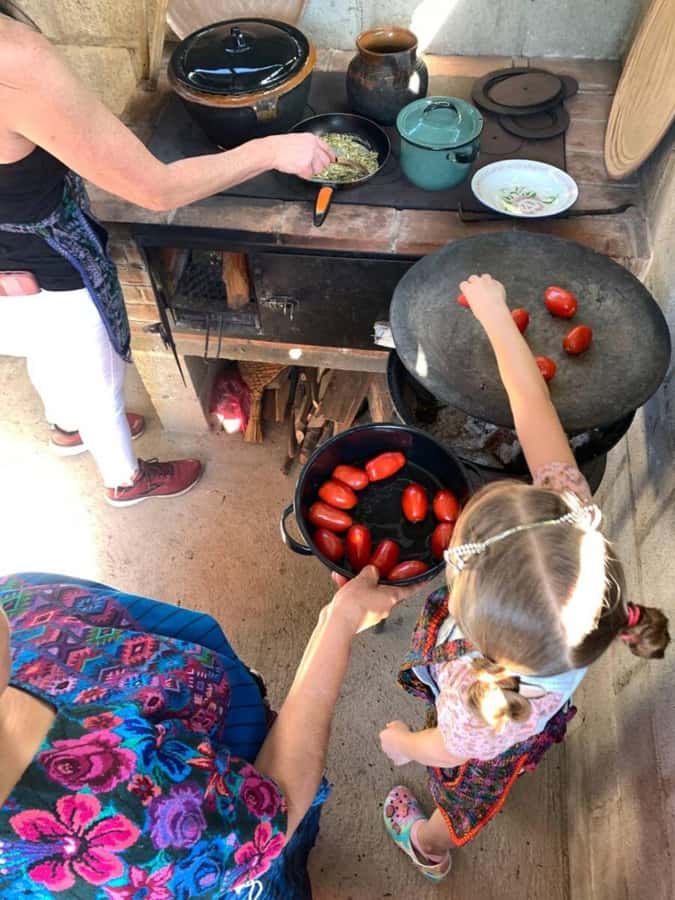
The heart of this class is the grinding. You’ll grind corn, seeds, and spices by hand using a millenary pedernal stone, the same kind of stone-ground tradition that’s been around for centuries.
Why it matters for you as a cook: grinding isn’t just old-fashioned theater. When you crush spices and corn slowly, you control texture. That texture feeds into the finished sauce thickness, aroma, and how evenly flavors bloom in a hot pan.
Expect your hands to do the work, not just taste and point. It’s a hands-on way to understand why Maya-style cooking relies on fresh ground ingredients. And yes, it can get a little messy, because it’s real food work. That’s part of the charm.
Picking Ingredients the Local Way in Antigua
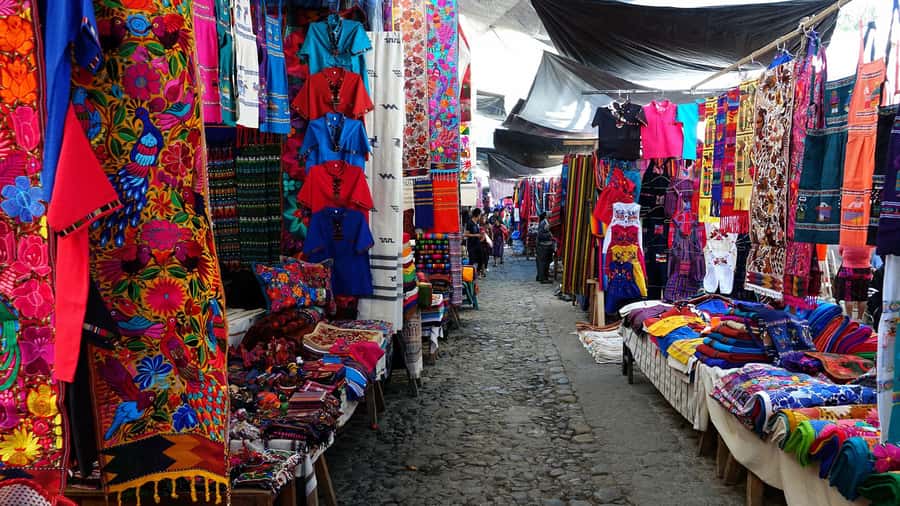
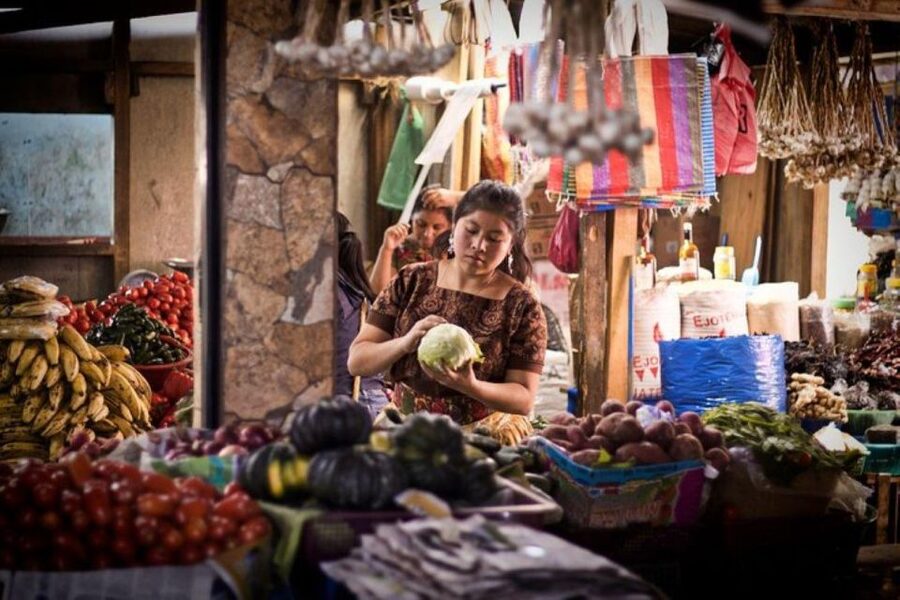
Many classes like this stay stuck at the kitchen door. This one usually begins with sourcing ingredients, and you’ll likely spend time at a market to get fresh products before you cook.
From the cooking experience you can expect, this step isn’t filler. It’s how you learn what matters: choosing the ingredients that make Guatemalan dishes taste the way they should. You’re not memorizing names only, you’re connecting them to real, visible ingredients.
If you’re the kind of traveler who loves small details, keep your camera ready here. One of the best parts is seeing how familiar foods show up differently once you understand what’s going into the dish.

Cooking With a Local Family, and Learning the Real Technique
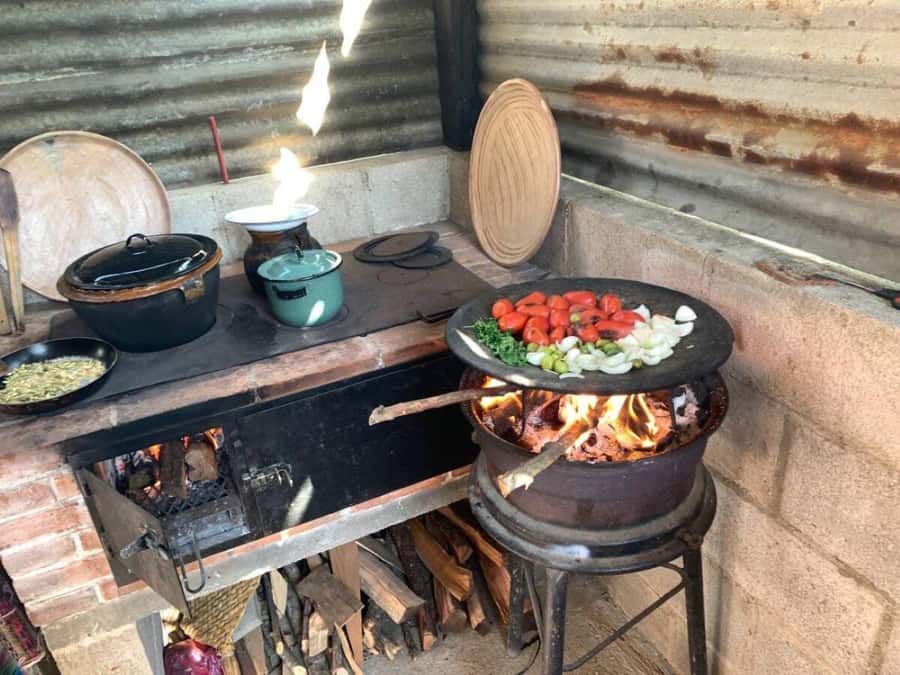
This isn’t a demo where someone narrates while you sit back. You cook alongside a local family, with a local tour guide who supports you in Spanish and English. That combination matters because it gives you context and answers while you’re actively working.
You’ll use traditional ingredients and heritage utensils. Even if you’ve cooked at home for years, you’ll probably notice the difference in how tools and process affect the result. Traditional cooking in Guatemala often values repetition and technique more than shortcuts.
In practical terms, expect multiple hands-on moments, like mixing, grinding, chopping, and timing a sauce. The goal is to leave you with skills, not just a full plate.
What dishes you might make
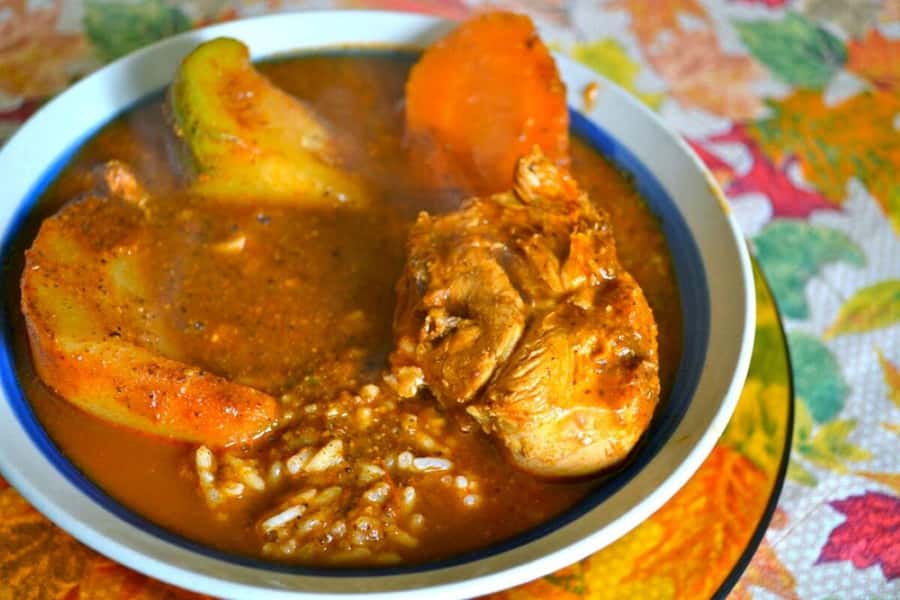
Your exact menu can vary by region and seasonal factors, but the class centers on classic Guatemalan flavors. Depending on the day, you could cook dishes like:
- Pepián
- Jocón
- Kak’ik
- Or a vegetarian option
One review detail that’s especially useful if you’re planning your taste expectations: you may also get something like Jamaica and homemade snacks such as chips served with beans and queso. That side pairing helps round out the meal, so the lunch feels complete, not just one main dish.
Tortillas: a skill you can actually repeat
A highlight that keeps coming up is that you often get the chance to make tortillas. That’s a perfect “take-home” skill because tortillas are a regular part of everyday cooking. If you get the hang of the dough consistency and shaping, you can bring a piece of the experience back without needing the exact same ingredients or cookware.
How the Traditional Methods Translate to Your Home Kitchen
The best souvenirs aren’t objects. They’re methods. This class is designed around getting you the recipes and skills so you can recreate the flavors at home.
Here’s what transfers well to your kitchen:
- Grinding mindset: You learn to treat spices and corn as flavor-building ingredients, not just base components.
- Sauce texture control: Traditional dishes like Pepián and Jocón rely on the right thickness and smoothness, and grinding influences that.
- Timing and layering: You see how dishes develop flavor in stages rather than dumping everything at once.
- Tortilla technique: If you practice what you learned, tortillas become a reliable weekend project.
Could you replicate everything perfectly on day one? Maybe not. But you’ll understand what’s driving the taste. And that’s what makes you able to adjust when you’re using different brands or substitutes at home.
If you’re wondering what “take home” really means, think of it this way: you’ll leave with guidance to repeat the process, not only a list of ingredients.
Food Variations, Allergies, and Seasonal Menu Changes
Guatemala food is regional. Even within a single country, you’ll see different ingredient preferences and dish styles. This class openly acknowledges that dishes can vary based on the country’s region, and the menu may be adjusted if it’s special season.
That’s normal, but it creates one key consideration for you: you must inform the provider about dietary restrictions and food allergies in advance. If you don’t, it’s harder for them to adapt menus safely and thoughtfully.
Also, if you have to avoid certain ingredients, ask early about the dishes being considered for your day. The class does offer a vegetarian option, and it can adapt, but you should still communicate clearly what you need.
Price and Value: What You Really Get for $75
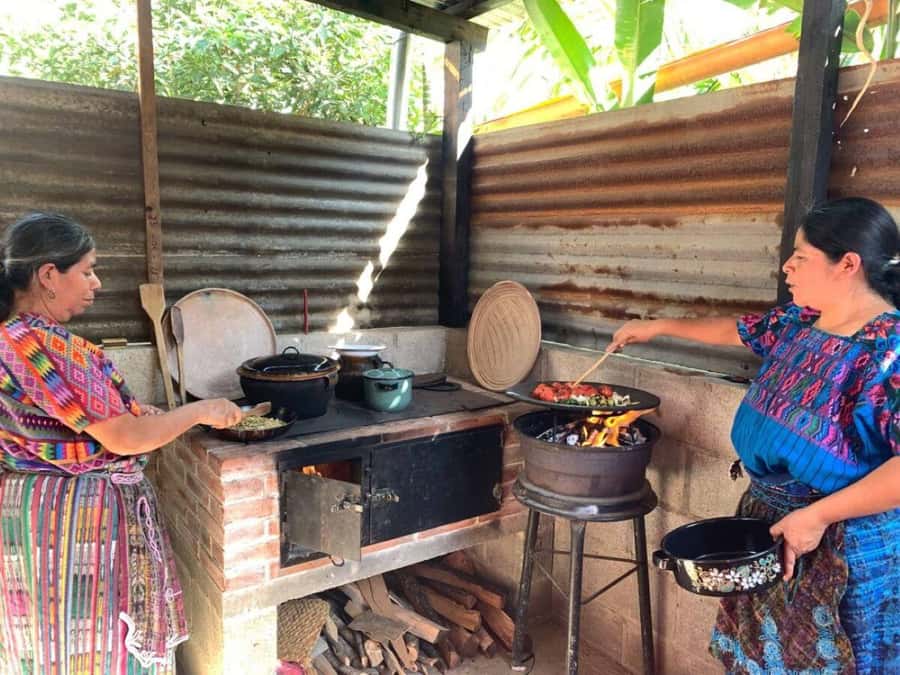
At $75 per person for a 4-hour class, it’s not the cheapest thing on your Antigua list. But it’s also not paying for a “one dish, one demo” experience.
Here’s what you’re paying for that usually drives real value:
- All fees and taxes included
- Private transportation (big in Antigua)
- A local tour guide in English and Spanish
- Water and snacks
- All ingredients included
- A small group and private group format
You also avoid one common hidden cost: alcohol isn’t included. That means you can plan around it. If you want drinks, you’ll bring your own preferences; if you don’t, you won’t get upsold into a higher total.
So the value equation is simple: you’re paying for a hands-on, guided, ingredient-included meal experience, not just access to a kitchen.
Logistics That Matter: Small Group, Private Activity, and Transport
The experience is set up to feel manageable. You’re limited to 10 participants, which means less waiting and more time with your guide and the family members teaching technique. It’s also a private activity, so it’s only your group, not strangers drifting in and out.
Wheelchair accessibility is listed as available, which is a meaningful practical point. If you have mobility needs, it’s worth reaching out early with any physical or medical restrictions so your host can plan how the day will work for you.
Also note what isn’t included: alcohol. That’s straightforward, but it impacts how long you might want to stay in a relaxed mood. If you’re expecting a full evening with cocktails, this won’t be that. It’s a meal-and-learning class.
What to Bring (So You Feel Comfortable, Not Stressed)
Since you’re grinding by hand and cooking, wear clothes you won’t worry about getting a little stained. Comfortable shoes help too, because you’ll likely move between market areas and cooking spaces.
Bring:
- A camera or phone for market and cooking moments
- Any clear list of dietary restrictions or allergies so it’s easy to communicate
- A small bag or container for a light snack or water if you tend to get hungry fast (even though water and snacks are included)
If you want to stay connected with what you learn, it also helps to take notes on flavors and textures. The recipes are included, but remembering how things looked and smelled mid-cook makes recreating easier.
Who This Cooking Class Suits Best
This is especially good for you if you want:
- A hands-on cultural experience, not a lecture
- Classic Guatemalan dishes like Pepián and Jocón
- A chance to cook with locals and practice traditional technique
- A skill you can repeat at home, like tortillas
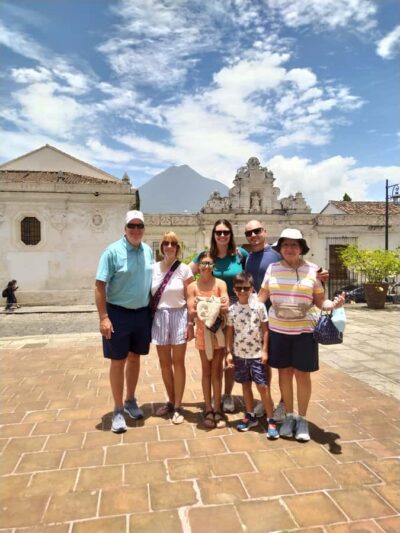
It also works well for couples or small groups because the class stays intimate and you don’t feel like you’re in a crowd.
Where you might think twice:
- If you need very specific ingredients for allergy reasons and don’t want any menu flexibility, make sure you communicate those needs early.
- If you hate cooking activities and only want to watch, this one is built for doing.
Should You Book This in Antigua?
I’d book it if you want a genuine Guatemalan cooking day with real technique, a local family setting, and a take-home outcome that goes beyond photos. The pedernal stone grinding is memorable, and the best part is that it directly supports the flavors in dishes like Pepián or Jocón.
I’d skip it if you’re looking for a passive, museum-style experience, or if you’re unprepared to share allergy and dietary needs ahead of time.
If you’re the kind of traveler who loves learning how food is made, not only what it tastes like, this class is a smart use of your time in Antigua.
FAQ
How long is the cooking class?
It lasts 4 hours.
How many people are in the group?
The group is small, limited to up to 10 participants, and it is a private activity for your group only.
What kind of dishes will I cook?
You’ll prepare traditional Guatemalan dishes such as Pepián, Jocón, or Kak’ik, and there is also a vegetarian option. The menu can vary depending on region and special season.
Does the price include ingredients and transportation?
Yes. The experience includes all ingredients, private transportation, a local tour guide, and bottled water and snacks. All fees and taxes are included too.
Is alcohol included?
No. Alcohol is not included.
What languages are available for the guide?
The local tour guide speaks Spanish and English.
Do they accommodate dietary restrictions and allergies?
You should inform them of dietary restrictions and food allergies in advance, so they can adapt the menu better for you.
Is the activity wheelchair accessible?
Yes, it is listed as wheelchair accessible.
What is the cancellation policy?
You can cancel up to 24 hours in advance for a full refund.
Is there a pay later option?
Yes. You can reserve now and pay later, meaning you can book your spot without paying today.
More Guatemala Reviews
- From Antigua: Adventure, 2-Day Hiking to Acatenango Volcano★ 4.4 · 1,189 reviews
- From Antigua: Pacaya Volcano Tour in English/Spanish★ 4.5 · 930 reviews
- From Antigua: Pacaya Volcano Trek★ 4.4 · 798 reviews
- Antigua, Guatemala: Volcano Acatenango Overnight Hiking★ 4.6 · 645 reviews
- Antigua Guatemala: City Highlights Guided Walking Tour★ 5.0 · 462 reviews
More Guatemalan Kitchens & Street Food
- Antigua Guatemala: Street Food Walking Tour with Tastings★ 4.8 · 87 reviews
- Antigua: Make & Eat Pizza at Pacaya Volcano Private Tour★ 4.7 · 18 reviews
- Antigua Local: Evening Street Food Tour with Dinner★ 4.6 · 16 reviews
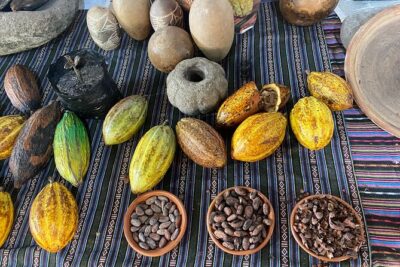
- Chocolate workshop; gastronomic experience of cocoa.★ 5.0 · 7 reviews
Recently reviewed: more ways to spend a day in Guatemala


Guatemalan Cooking Classes & Street Food that cover the same ground.
 ★ 5.0Coffee and Gastronomic Bike Tour in AntiguaFrom $41284 reviews
 ★ 4.8Antigua Guatemala: Street Food Walking Tour with TastingsFrom $6887 reviews
 ★ 5.0Street Food Tour Around AntiguaFrom $8067 reviews
 ★ 4.7Antigua: Make & Eat Pizza at Pacaya Volcano Private TourFrom $29918 reviews
 ★ 4.8Lake Atitlan Maya Kitchen: 3-Hour Cooking ClassFrom $7017 reviews
 ★ 4.6Antigua Local: Evening Street Food Tour with DinnerFrom $8416 reviews
 ★ 5.0Chocolate workshop; gastronomic experience of cocoa.From $327 reviews
 ★ 4.8El Paredón: Traditional Cooking Class with a Local FamilyFrom $584 reviews
Also on these pages