
REVIEW · CRUISES & BOAT TOURS
El Paredón: Mangrove Boat Tour with Optional Fishing
Crabs are a headline feature in the mangroves. On this El Paredón boat trip in Guatemala’s coastal wetlands, I love how the experience mixes mangrove planting with real wildlife time, guided in Spanish by locals who genuinely care about the ecosystem. You can also tack on optional fishing, learning traditional techniques from the community. One practical note, this is a boat-based activity and is not suitable for pregnant women or people with mobility impairments.
Expect a small, friendly flow from start to finish, and you’ll likely feel like you’re being shown a working part of Guatemala’s coast, not a staged show. Guides like Adelso, and sometimes his wife for the welcome, keep things warm and clear, even when English is limited. Still, plan for that: the tour guide speaks Spanish, so basic phrases or a smile will go a long way.
In This Review
- Key Things You’ll Like About This El Paredón Mangrove Tour
- Why El Paredón Mangroves Feel Different From a Typical River Tour
- The Simple Logistics That Make This Tour Easier Than You’d Expect
- What the 90 Minutes Actually Feels Like on the Water
- Your Guide, Spanish Language, and the Warm Welcome Factor
- Wildlife Spotting: Birds, Fish, and the Crabs You Can’t Miss
- The Hands-On Best Part: Planting Your Own Mangrove
- Optional Fishing: Traditional Techniques, No Extra Cost, Best in January to April
- Price and Value: Is $55 a Good Deal for 90 Minutes?
- Who This Mangrove Tour Fits Best
- FAQ
- FAQ
- What time do tours depart?
- How much does the El Paredón mangrove boat tour cost?
- Is the optional fishing experience included?
- When is the best season for fishing?
- What language is the tour guide?
- How will I know where to meet for pickup?
- What should I bring?
- Should You Book This El Paredón Mangrove Boat Tour?
Key Things You’ll Like About This El Paredón Mangrove Tour
- Plant your own mangrove during the tour, turning a boat ride into hands-on conservation
- Third-largest mangrove ecosystem in Guatemala, with plenty of wildlife close to the boat
- Optional local fishing included at no extra cost, and best timed for January to April
- A Spanish-speaking guide who explains birds, vegetation, and local stories in an accessible way
- Private group feel with easy-to-find meeting logistics in El Paredón
Not locked in yet? Here is what else travellers book around Guatemala.
- El Paredón: Traditional Cooking Class with a Local Family
★ 4.8 · 4 reviews
Why El Paredón Mangroves Feel Different From a Typical River Tour
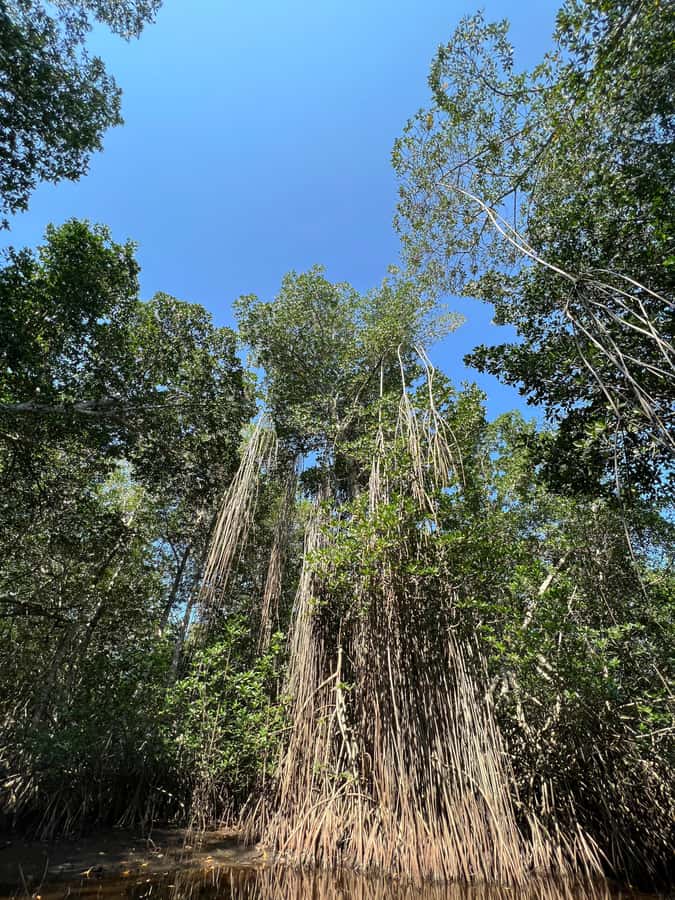
El Paredón sits in the Escuintla Department, and the mangroves here are part of one of Guatemala’s largest coastal ecosystems, the third largest. That matters because mangroves are not just pretty trees. They are nurseries for fish, shelter for birds, and natural buffers that help protect the shoreline.
On a boat, you get a front-row view of how these ecosystems work. You move through channels where wildlife is used to boats, so you spend time watching rather than rushing. I also like that the tour includes stories about local history and how the ecosystems connect to the people who live there.
The Simple Logistics That Make This Tour Easier Than You’d Expect
This is a 90-minute experience with two departures: 8:00 AM and 4:00 PM. Those two time slots give you flexibility. Morning can feel calmer for wildlife spotting, while late afternoon can match your day if you plan other activities in El Paredón.
You also get clear guidance for getting there. The pickup point is sent to you on WhatsApp, so you are not stuck guessing. And if you’re staying in the town area, you should find the meeting point is relatively close to local hotels.
Bring a few basics and your day stays smooth. The tour asks for comfortable shoes, a sun hat, water, a camera, biodegradable sunscreen, and insect repellent. If you forget one thing, make it repellent. Mangroves and coastal mornings can mean bites, and you’ll want to focus on spotting wildlife.
What the 90 Minutes Actually Feels Like on the Water
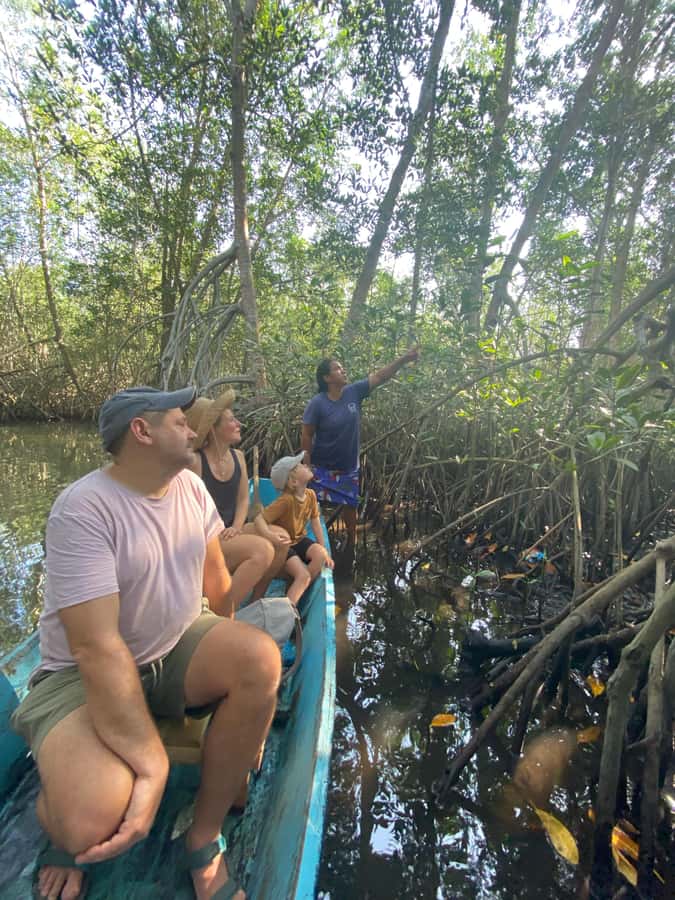
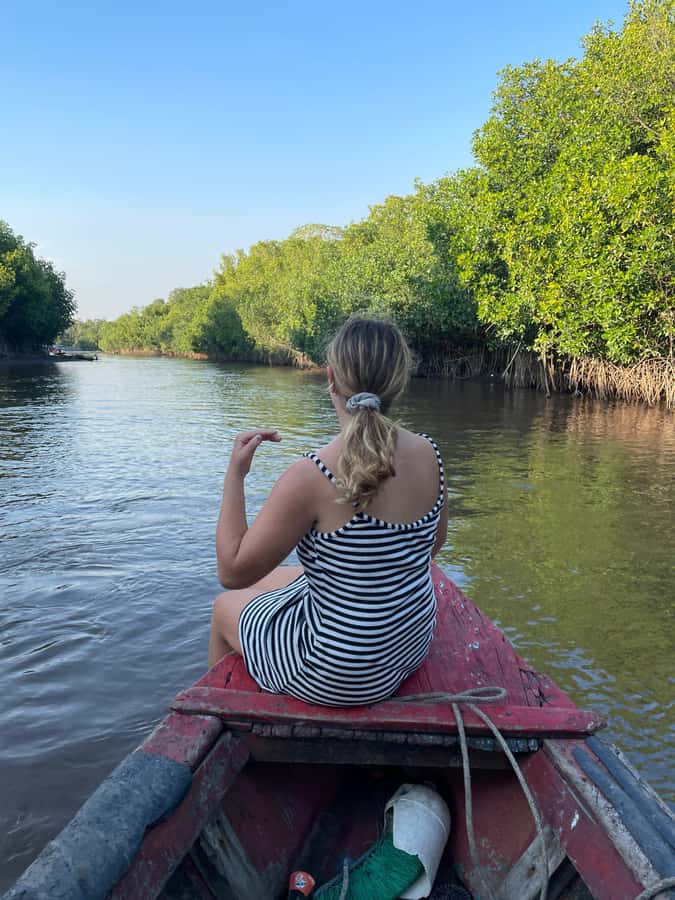
This tour is designed to be short enough that you stay alert, but long enough to go deeper into the mangroves. You start with a guided boat ride through the local mangrove area, then gradually you spend more time in the enclosed, tree-lined sections where wildlife concentrates.
A good moment to expect is the shift from open water to tighter mangrove passages. One guide may describe vegetation, birds, and how the ecosystem supports the local community. As you move in, wildlife sightings often get more frequent. I especially like that you are not just riding and guessing. You are learning what you are looking at.
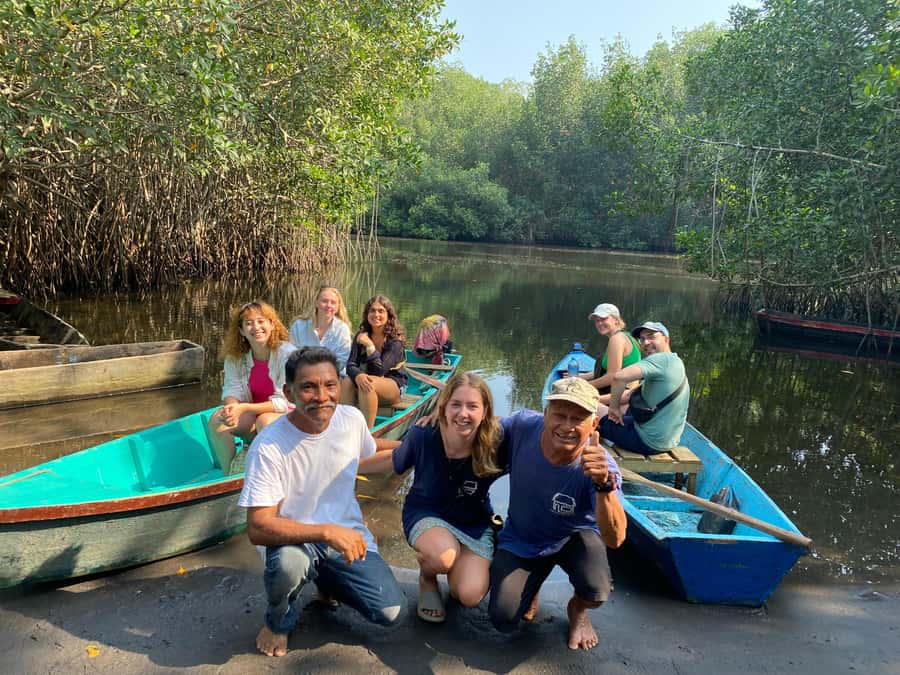
Because it is a private group, the pacing can feel more relaxed. You can ask questions in Spanish, and the guide adjusts when your Spanish is basic. In at least one case, a guide used simple Spanish in a very practical way, making it feel authentic rather than confusing.
Your Guide, Spanish Language, and the Warm Welcome Factor
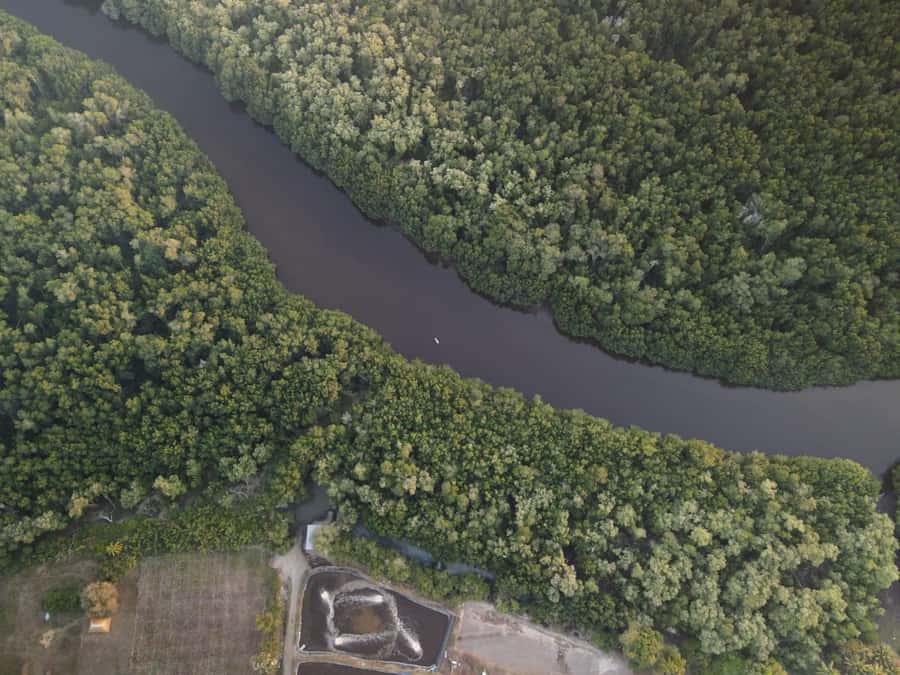
The tour runs with a live guide in Spanish. That is a consideration, but it does not have to be a deal-breaker. If you know a few simple words, you’ll likely be fine, and the guide will handle the rest with explanation and gestures.
What I find particularly appealing is the human side. Adelso, along with his wife, is mentioned as a warm welcome for the start of the experience. That kind of welcome sets the tone. Instead of feeling like a ticket number, you feel like you are joining a local routine for the day.
If you worry about understanding, focus on the structure: you will learn about the mangroves, the birds, and the broader ecosystem. Even when English is limited, the purpose stays clear.
Wildlife Spotting: Birds, Fish, and the Crabs You Can’t Miss
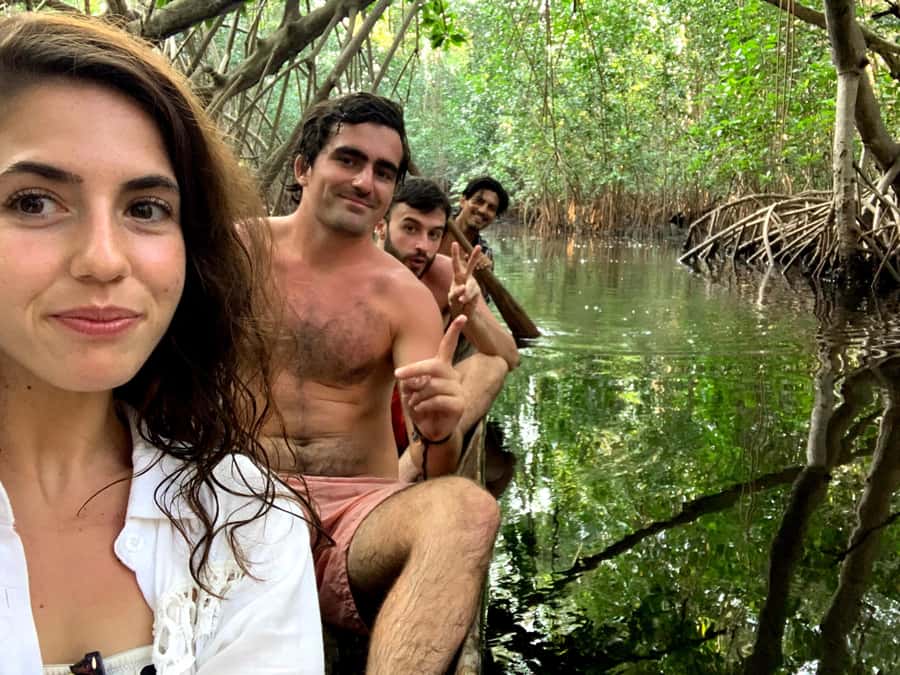
Mangroves attract wildlife for a reason, and this tour gives you a chance to see that in action. From the time you are on the boat, you’ll look for local birds and fish around the water channels.
One detail that stands out is how often people notice crabs, including bright, colorful ones. In the tighter mangrove sections, the crabs can be everywhere, almost like a sign that the ecosystem is healthy and busy. You’ll probably see them at different points along the edges where water movement meets roots and leaves.
You don’t need expert skills to enjoy it. Bring your camera and stay patient. Slow movements help you notice what is right next to the boat rather than only what’s far away.
The Hands-On Best Part: Planting Your Own Mangrove
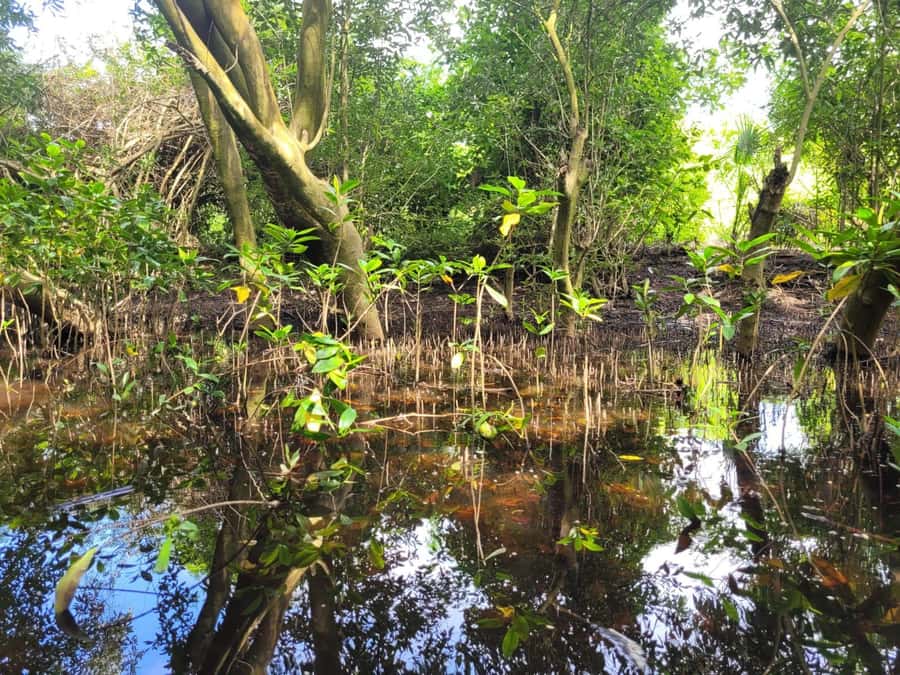
This is the portion that turns the tour from entertainment into contribution. You get the opportunity to plant your own mangrove during the experience. For me, this is the best value add because it creates a personal link to what you saw from the water.
Mangrove planting is not just a feel-good souvenir moment. Mangroves support coastal survival in real ways: they help stabilize shorelines, provide habitat, and support the food web that fish and birds depend on. When you plant a mangrove, you are doing something tied to the health of the same ecosystem you’re touring.
A practical tip here is to plan your attention. While the rest of the tour is visual, planting is hands-on. If you listen closely during the explanation, you’ll understand what the mangroves do and why your effort matters.
Optional Fishing: Traditional Techniques, No Extra Cost, Best in January to April
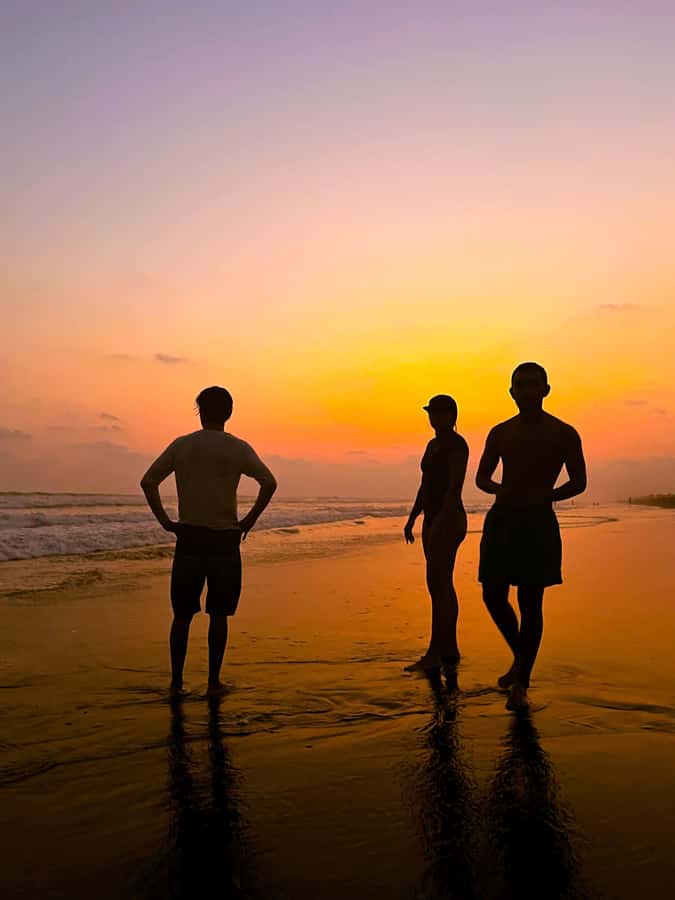
If you want something more active, the optional local fishing experience is the add-on. The big win is that it is included with the tour and listed as optional with no additional cost.
You’ll learn traditional fishing techniques used by the community. That part is valuable because it connects the boat ride to daily coastal life. You are not just catching fish, you are learning a method shaped by local conditions.
Timing matters for fishing. The best season is January to April, during the dry season when conditions are ideal for local fishing. If you travel outside that window, you still get the experience of learning the techniques, but you may have different results. Either way, it’s a good match if you like hands-on learning.
One more consideration: because fishing is optional, you can decide based on your comfort level. If you prefer wildlife spotting and quiet observation, you can focus on the mangroves. If you want to understand the local connection to the coast, fishing adds that layer.
Price and Value: Is $55 a Good Deal for 90 Minutes?
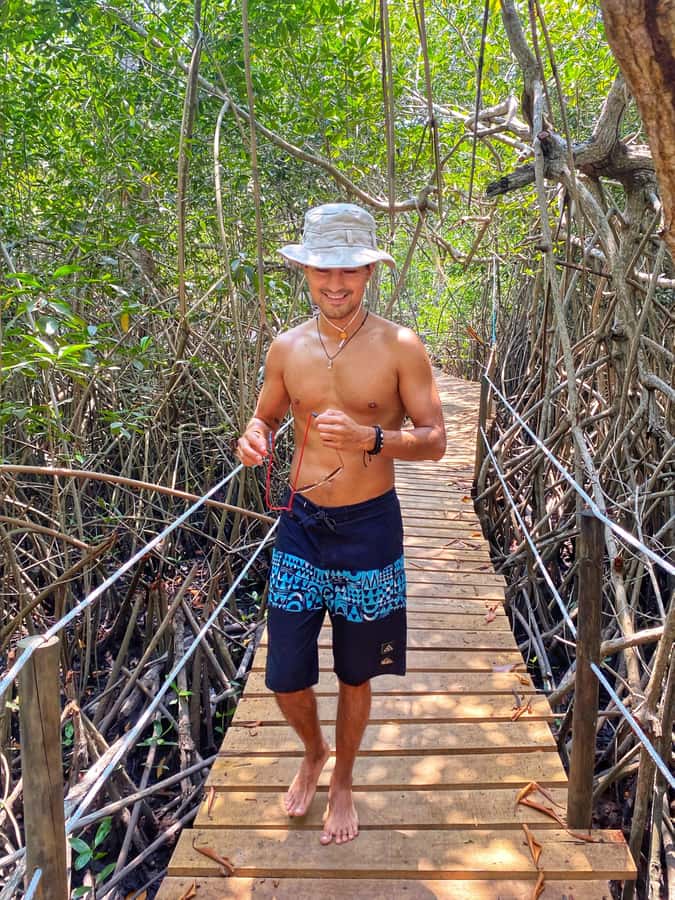
At $55 per person for a 90-minute private group tour, you’re paying for more than a boat ride. The value comes from the bundle: a guided mangrove tour, time on the water, opportunity to plant a mangrove, optional fishing learning, and the guide’s stories about the ecosystem and community.
Many tours like this charge for the guide, the boat, and then extras. Here, the mangrove planting is part of the experience, and optional fishing is included with no extra cost. That makes it easier to justify the price, especially if you want a meaningful activity instead of just scenery.
So I think it’s best viewed as a conservation-linked cultural activity with wildlife time. If that sounds like your style, $55 feels reasonable. If you only want passive sightseeing with no hands-on part, you might consider whether planting and fishing are worth it for you.
Who This Mangrove Tour Fits Best
This is a strong choice if you want:
- Wildlife and ecosystem education tied to a real place in coastal Guatemala
- A short, efficient outing that fits into a morning or afternoon
- Hands-on meaning through mangrove planting
- An optional way to connect with local life through fishing techniques
It is especially appealing to people who like small-group attention and practical explanations. Even when the guide’s English is limited, the tour is structured so you can understand through basic Spanish and clear communication.
It may not suit you if you need step-free access or if you’re managing physical limitations. The activity is not suitable for people with mobility impairments, and it is also not suitable for pregnant women.
FAQ
FAQ
What time do tours depart?
Tours depart at 8:00 AM or 4:00 PM. The tour lasts about 90 minutes.
How much does the El Paredón mangrove boat tour cost?
The price is $55 per person.
Is the optional fishing experience included?
Yes. The local fishing experience is optional and listed as included with the tour, with no additional cost.
When is the best season for fishing?
The best fishing season is January to April, during the dry season.
What language is the tour guide?
The live tour guide speaks Spanish.
How will I know where to meet for pickup?
You will be sent the pickup point through WhatsApp.
What should I bring?
Bring comfortable shoes, a sun hat, a camera, water, biodegradable sunscreen, and insect repellent.
Should You Book This El Paredón Mangrove Boat Tour?
If you want more than a quick boat ride, I’d book it. The combo of mangrove planting, wildlife time for birds and fish, and optional traditional fishing techniques makes the 90 minutes feel purposeful. The private-group feel also helps, because you can ask questions and keep the pace comfortable.
Book it with confidence if you’re traveling in January to April and fishing sounds appealing. And book it even outside those months if you just want the ecosystem education and the chance to plant a mangrove.
Skip it if mobility is a concern or if you’re pregnant. Otherwise, this is exactly the kind of Guatemala experience that pairs nature with community, without turning the day into a long, over-complicated schedule.
More Guatemala Reviews
- El Paredón: Traditional Cooking Class with a Local Family★ 4.8 · 4 reviews
Recently reviewed: more ways to spend a day in Guatemala
Cruises & Boat Tours that cover the same ground.
 ★ 5.0Snorkel – Lobster Lunch Cruise to Bird Island and Paradise ReefFrom $185438 reviews
 ★ 4.5Lake Atitlán Sightseeing Cruise with Transport from AntiguaFrom $11999 reviews
 ★ 4.2Guatemala or Antigua Guatemala: Lake Atitlán Boat CruiseFrom $11993 reviews
 ★ 4.5Lake Atitlán Sightseeing Cruise with Transport from Guatemala CityFrom $11987 reviews
 ★ 4.5Lake Atitlan Day Tour from Antigua or the City | Boat & VillagesFrom $11076 reviews
 ★ 4.5Antigua Sunset Catamaran Cruise From St. John’sFrom $13363 reviews
 ★ 4.5Sail and Snorkel at Cades ReefFrom $11061 reviews
 ★ 4.5Stingray City Experience Antigua – Cruise Ship Passengers EditionFrom $13952 reviews
Also on these pages