
REVIEW · ANTIGUA GUATEMALA TOURS & DAY TRIPS
Antigua: Villages Tour on Chicken Bus
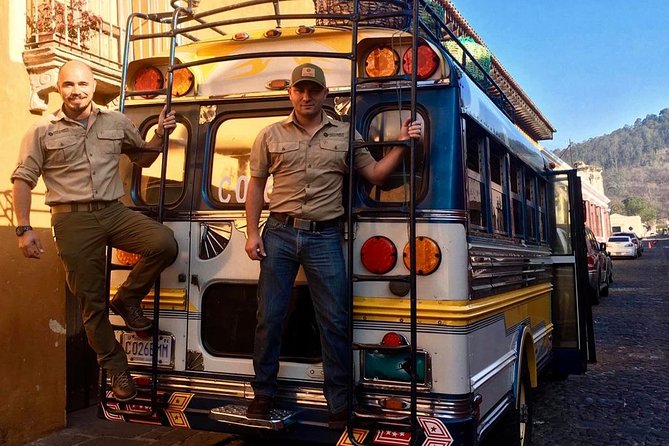
A chicken bus trip with village tastings in tow. This half-day excursion around Antigua turns the drive into part of the story, with a real Guatemalan Chicken Bus ride and hands-on stops led by a bilingual guide. I like that you get more than a walking tour can cover, while still seeing family-run food and farm traditions up close, including chocolate tasting and views toward volcanos.
One thing to consider: the chicken bus is used for the tour itself, so you are not really riding in the same way you would on a public route, with locals coming and going. Still, you get a smooth way to reach places you would struggle to piece together on your own.
In This Review
- Key things to know before you go
- Why This Antigua Chicken Bus Tour Works for Busy Days
- San Juan del Obispo: Cacao for Real, Not a Demo
- San Pedro Las Huertas: Communal Water and Volcano Photo Stops
- Driving Past Antigua’s First Spanish-Crown Capital
- Valhalla Experimental Station: Organic Macadamias With Real Community Goals
- Price and Logistics: What $95 Buys You
- Who Should Book This Tour, and Who Might Skip It
- FAQ
- How long is the Antigua Villages Tour on Chicken Bus?
- What does the tour cost?
- Is lunch included?
- Are tastings and admissions covered?
- Where do I meet, and where does the tour end?
- What time does the tour start?
- How big is the group?
- Are service animals allowed?
- What is the cancellation window?
Key things to know before you go
- Pick morning or afternoon, so you can shape the day around your plans in Antigua
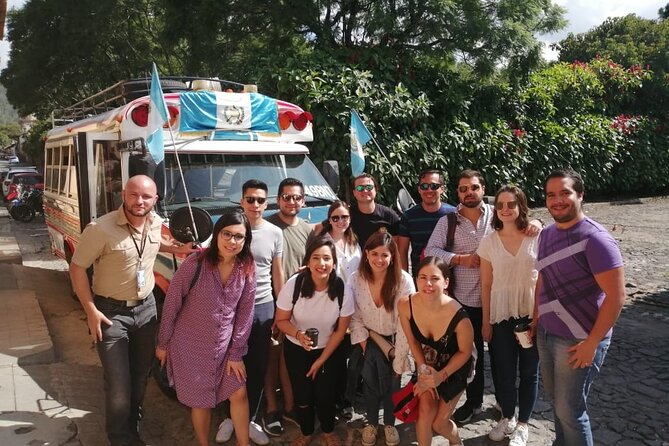
- Small groups up to 15 people, which keeps the pace relaxed at each stop
- Stop for real food flavors, including cacao/chocolate and loquat products
- Volcano photo moments in the countryside, not just city streets
- Organic macadamia farm visit focused on sustainability and community impact
- All fees, taxes, water, and snacks included, so you can budget more easily
Basing yourself in Antigua Guatemala? These run from the same cobbled streets
- Hike to Pacaya Volcano from Antigua
★ 4.5 · 502 reviews - Shared shuttle – between Antigua and Panajachel, Lake Atitlan
★ 4.0 · 153 reviews - Antigua Sky High Adventure
★ 5.0 · 131 reviews - ¡Pacaya Volcano Tour from Antigua!
★ 5.0 · 114 reviews
Why This Antigua Chicken Bus Tour Works for Busy Days
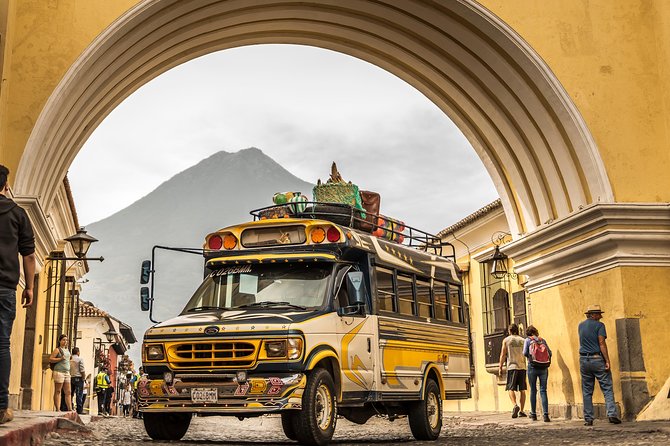
If you only have a day to see beyond Antigua, this style of tour makes sense. You cover multiple villages and viewpoints in about 5 to 6 hours, and you do it without needing a rental car or a complicated bus puzzle.
I like the way the tour mixes scenery with small, local stops. You are not stuck staring at a museum wall, either. The Chocolate Family Owned stop and the loquat tasting are set up like a guided walk-through of how products are made, and you get to sample what Guatemala is actually known for.
The small group size, up to 15 travelers, also changes the feel. When there are fewer people, it is easier for the guide to answer questions and keep the timing from turning into a rushed sprint. In guides like JJ (Juan Jesus), Felix, Diego, and Katy, people repeatedly mention clear explanations and a friendly, can-do attitude. Some days, you may even find the group runs smaller than expected, which can make the pace feel more personal.
One practical note: the tour includes snacks and bottled water, but lunch is not included. That means you should plan to eat after the tour, especially if you start at 8:30 am and you are hungry by midday.
San Juan del Obispo: Cacao for Real, Not a Demo
Your first stop is San Juan del Obispo, and it starts with a quick look at the plaza and surrounding valley views. Even before food, this helps you get your bearings outside the Antigua core. The countryside here is part of why the tour works, because you see how the villages sit in the valleys around Antigua.
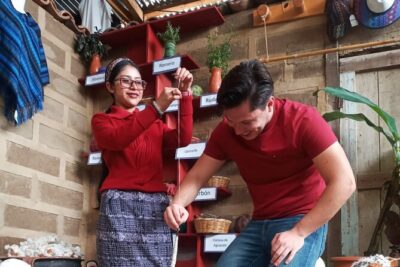
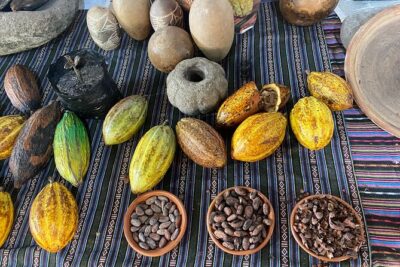
Then you head into a family-owned chocolate workshop. This is not presented as a quick photo stop. The focus is on the artisanal process behind Guatemala’s chocolate drink, and you get a warm tasting along the way. The best part is that the story is tied to people and routine, not just ingredients on a label.
Right nearby is the Loquat Museum, built around the loquat fruit, the giant golden fruit local to the region. You learn how it becomes wine, jams, and preserves, and you have a chance to sample flavors. If you like food souvenirs that are not just another bottle of hot sauce, loquat products are a smart choice because they connect directly to what you learn.
This whole stretch takes about one hour. That timing matters. It is long enough for tasting and questions, but short enough that you still get to enjoy the journey between stops instead of feeling glued to one building.
San Pedro Las Huertas: Communal Water and Volcano Photo Stops
Next comes San Pedro Las Huertas, a farming village known for growing tomatoes, beans, and lettuce. The tour’s tone shifts here from tasting to walking. You move through quiet streets where everyday village life is the main attraction.
A standout moment is the traditional communal sink in the area, with multiple spots for washing and cloth care. It sounds simple, but it is the kind of everyday detail that helps you understand how communities actually function. Then you head toward the baroque Spanish Colonial church on the east side of the plaza.
The guide usually builds in a photo break for the views. You can look out toward Volcán Fuego and Volcán Agua, and you get that rare combo of rural life and big volcano silhouettes in the same frame. It is not “look at a postcard,” it is look at the actual valley you are traveling through.
This stop also runs about one hour. One extra option may appear depending on group agreement: a visit to a family-owned jade factory. If everyone is on board, it adds a craft element that pairs nicely with the food stops. If you prefer not to add another shop, it is fine too, because the core village walk and views still make the hour worthwhile.

Driving Past Antigua’s First Spanish-Crown Capital
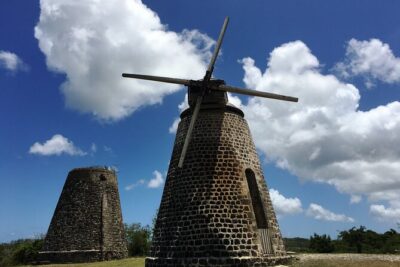
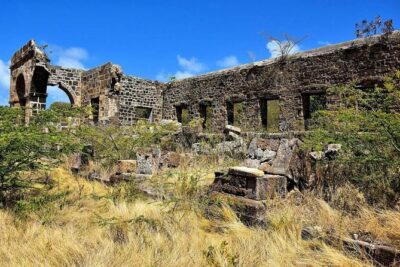
Between village stops, you get a drive segment that is more than transit. You pass through the area tied to the first capital of the Spanish Crown in the Americas, and the tour leans into the view of farmland around Antigua.
This part is valuable because it shows how the region feeds itself and supplies markets. You are not only seeing buildings. You are seeing agriculture as the backbone of life here, which helps the earlier stops make more sense.
If you are the kind of traveler who likes to understand why places look the way they do, this drive segment is a simple win. It also gives you a chance to rest your legs before the next walking stop, especially if you are combining this with other Antigua sightseeing.
Valhalla Experimental Station: Organic Macadamias With Real Community Goals
The final major stop is Valhalla Experimental Station, centered on an organic macadamia farm. You come for the nuts, but you stay for the why: the project is presented as a sustainable effort that helps indigenous communities thrive.
The visit explains how macadamia fits into real life. You learn about its “green print,” and how macadamia relates to skin care, food, and medicine. That variety matters, because it is a reminder that crops are more than snacks or souvenirs. They tie into health, jobs, and local economies.
You also get a sense of how an “organic farm” can be more than a farming label. The focus here is on sustainability paired with community impact, so it reads less like marketing and more like a practical project with a goal.
Timing is about one hour at this stop. It is enough to walk through and understand the story without dragging the schedule. By the time you finish, you usually feel like the day gave you more than just a list of products. You get a connected picture: cacao, fruits and preserves, farming villages, crafts, and then a crop project with social aims.
Price and Logistics: What $95 Buys You
At $95 per person, this is not a bargain-basement option, but it is also not overpriced when you look at what is included. You get a bilingual guide, all fees and taxes, bottled water, and snacks, plus access to the stops where tastings and samples happen. The fact that admission tickets are listed as free at key stops is part of why the price holds together.
You should also think about group value. With a maximum of 15 travelers, the day does not feel like cattle-herding, and the guide can actually answer questions. That is consistent with what many people highlight, especially when they mention guides like JJ (Juan Jesus), Felix, and Estafan being friendly and able to explain culture, religion, and local history.
Your wallet needs one additional line item: lunch is not included. Plan to eat after the tour, and consider whether you want to budget for optional purchases at chocolate, loquat, jade, or macadamia-related shops. The good news is that people describe the shopping as low pressure. You can enjoy and sample without feeling pushed.
Also plan for comfort. You will do short walks in village plazas and along viewpoints. Wear shoes that handle uneven ground. Bring sun protection, because countryside afternoons can get bright.
Finally, the tour meets at Casa de la Mandarina, 2a Calle Poniente 2, Antigua Guatemala 03001, and ends back there. If you are staying near Antigua’s center, you should be able to build your day around it easily.
Who Should Book This Tour, and Who Might Skip It
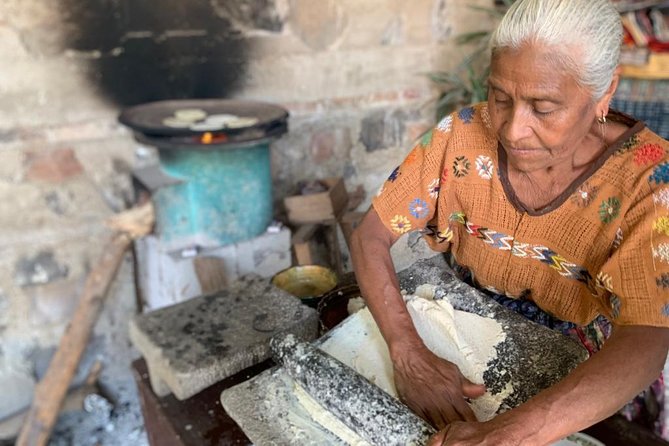
Book this if you want a day that feels like Guatemala beyond Antigua’s main streets. It is a smart pick for people who love food stories, craft details, and photo stops with context, not just scenic overlooks. Families also tend to do well with this format because the walking is not extreme and the stops keep changing.
It is especially worth it if you enjoy learning from guides who connect the dots. Many people call out that guides like Juan Jesus (JJ) and Felix explain culture and history clearly, with room for questions. If you want your guide to talk as much as they show, this style matches that.
Skip it if your main goal is public, spontaneous village life. Remember the single big caution: the chicken bus ride is for the tour, not a public bus where you share space with commuters. You will not get the same “ride-with-the-locals” vibe, even though you still get to see local communities at the stops.
If you are short on time but want a grounded, community-focused half-day, this is one of the better uses of your Antigua hours.
FAQ
How long is the Antigua Villages Tour on Chicken Bus?
The tour runs about 5 to 6 hours.
What does the tour cost?
It is listed at $95.00 per person.
Is lunch included?
No. Lunch is not included.
Are tastings and admissions covered?
Yes. The tour includes all fees and taxes, and the listed admission at the chocolate and loquat stops is free.
Where do I meet, and where does the tour end?
You meet at Casa de la Mandarina, 2a Calle Poniente 2, Antigua Guatemala 03001, and the tour ends back at the meeting point.
What time does the tour start?
The start time shown is 8:30 am. The tour also offers morning or afternoon start times.
How big is the group?
The tour has a maximum of 15 travelers.
Are service animals allowed?
Yes. Service animals are allowed.
What is the cancellation window?
You can cancel for a full refund up to 24 hours before the experience start time.
More Guatemala Tours
- Scenic Full Day Tour of Antigua★ 5.0 · 472 reviews
- Lake Atitlan One Day Tour from Antigua★ 4.5 · 288 reviews
- Coffee and Gastronomic Bike Tour in Antigua★ 5.0 · 284 reviews
- Adventure Antigua – Eli’s Original Eco Tour★ 4.5 · 238 reviews
- Antigua Round Island Tour★ 4.5 · 226 reviews
More Guatemala Reviews
- Adventure Antigua – The Xtreme Circumnavigation★ 5.0 · 959 reviews
- Hike to Pacaya Volcano from Antigua★ 4.5 · 502 reviews
- Scenic Full Day Tour of Antigua★ 5.0 · 472 reviews
- Snorkel – Lobster Lunch Cruise to Bird Island and Paradise Reef★ 5.0 · 438 reviews
- Lake Atitlan One Day Tour from Antigua★ 4.5 · 288 reviews
More Out of Antigua Guatemala
- Hike to Pacaya Volcano from Antigua★ 4.5 · 502 reviews
- Lake Atitlan One Day Tour from Antigua★ 4.5 · 288 reviews
- Shared shuttle – between Antigua and Panajachel, Lake Atitlan★ 4.0 · 153 reviews
- Antigua Sky High Adventure★ 5.0 · 131 reviews
- ¡Pacaya Volcano Tour from Antigua!★ 5.0 · 114 reviews
Recently reviewed: more ways to spend a day in Guatemala




Antigua Guatemala Tours & Day Trips that cover the same ground.
 ★ 4.4From Antigua: Adventure, 2-Day Hiking to Acatenango VolcanoFrom $541,189 reviews
 ★ 4.5From Antigua: Pacaya Volcano Tour in English/SpanishFrom $23930 reviews
 ★ 4.4From Antigua: Pacaya Volcano TrekFrom $23798 reviews
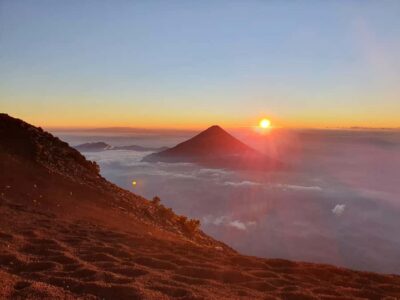 ★ 4.6Antigua, Guatemala: Volcano Acatenango Overnight HikingFrom $90645 reviews
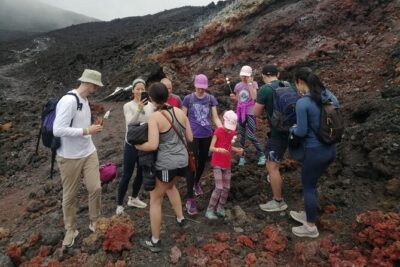 ★ 4.5Hike to Pacaya Volcano from AntiguaFrom $35502 reviews
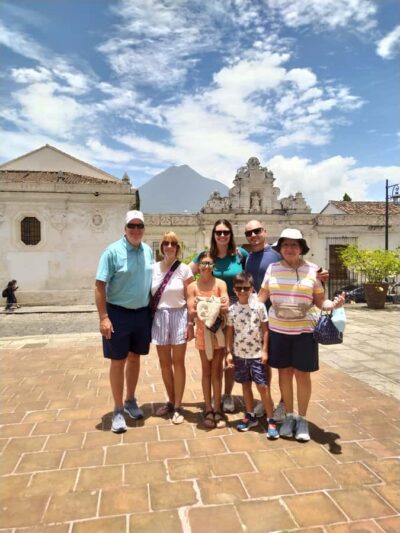 ★ 5.0Antigua Guatemala: City Highlights Guided Walking TourFrom $25462 reviews
 ★ 4.6FROM ANTIGUA, ROUND TRIP: EXPLORING THE VILLAGES OF LAKE ATITLÁN.From $95382 reviews
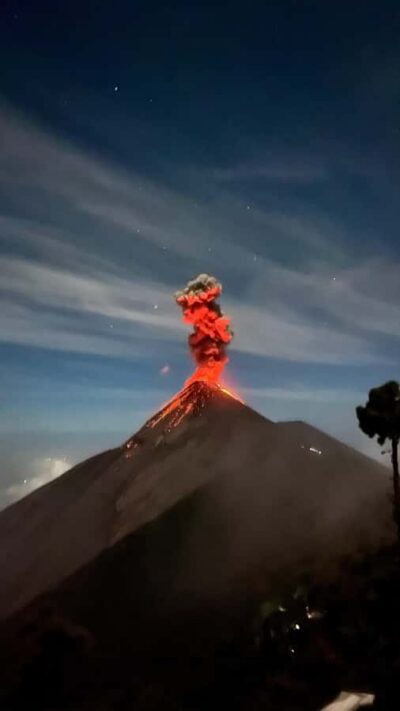 ★ 4.1From Antigua: 2-Day Acatenango Volcano Hiking with GuideFrom $53366 reviews
Also on these pages