REVIEW · GUATEMALA
Nicole’s Table – Coordinating Curry
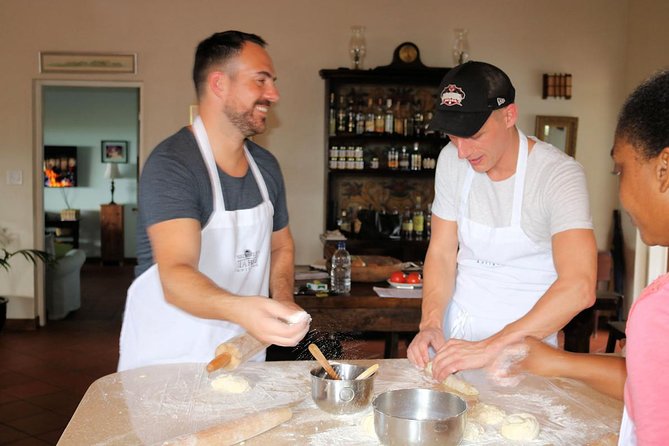
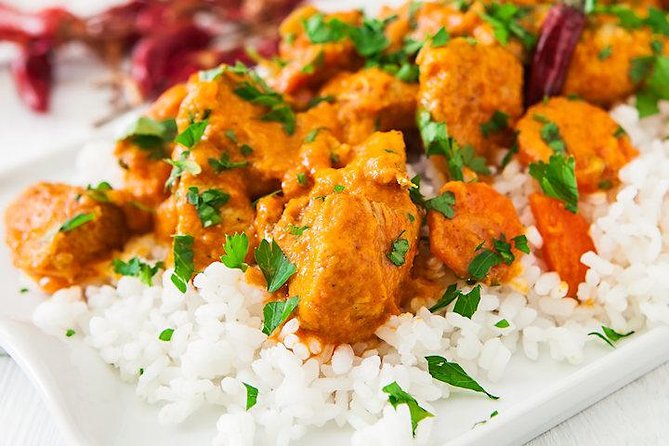
Curry tastes better with a story. This 4-hour, small-group cooking workshop at Nicole’s Table in St. John’s is all about West Indian flavors and how spices landed on these islands, with hands-on cooking and a sit-down meal on a sea-facing veranda. I really love how you learn by doing, from making curry chicken (plus tofu for vegetarians) to rolling unleavened roti, and you leave with recipes you can actually repeat.
The second thing I love is the payoff: you create cocktails and a 3-course lunch, then eat it al fresco with that Caribbean Sea view. One possible drawback to plan around: outdoor seating and cooking depend on good weather, and if your group is under the minimum, your booking can shift to another day (or you may join an existing class).
In This Review
- Key takeaways before you cook
- Why Nicole’s Table feels different than a typical tour
- St. John’s curry and jerk cooking, with the why behind the flavor
- Your hands-on menu: curry chicken, tofu, roti, and more
- Curry chicken (and tofu for vegetarians)
- Roti, the unleavened flatbread
- Sides and dessert
- The 3-course meal and cocktails, served where the view matters
- How long it takes, how big the group is, and why that affects the experience
- Price and value: is $145 per person a fair deal?
- Who this class fits best (and who should think twice)
- Small practical tips to make your day smoother
- Getting the most out of Nicole’s spice lessons
- Should you book Nicole’s Table, Coordinating Curry?
- FAQ
- What time does the cooking class start?
- Where is the meeting point?
- What will I cook and eat during the class?
- Are cocktails and drinks included?
- Is there a vegetarian option?
- What are the age rules for alcohol?
- What if I have dietary requirements or allergies?
- What happens if the weather is bad or the minimum number of travelers is not met?
- What’s the cancellation policy?
Key takeaways before you cook
- A true small-group class (max 12): more hands-on coaching, less standing around watching.
- Nicole’s informal teaching style: history and spice tips show up while your hands are busy.
- You make the core trio: curry chicken or tofu, roti, plus sides and dessert.
- A 3-course meal with cocktails: you eat what you cook, on a veranda with Caribbean Sea views.
- Recipes are included: every dish ties back to what you learned, so you can recreate it later.
Not locked in yet? Here is what else travellers book around Guatemala.
- Adventure Antigua – The Xtreme Circumnavigation
★ 5.0 · 959 reviews - Hike to Pacaya Volcano from Antigua
★ 4.5 · 502 reviews - Scenic Full Day Tour of Antigua
★ 5.0 · 472 reviews - Snorkel – Lobster Lunch Cruise to Bird Island and Paradise Reef
★ 5.0 · 438 reviews
Why Nicole’s Table feels different than a typical tour
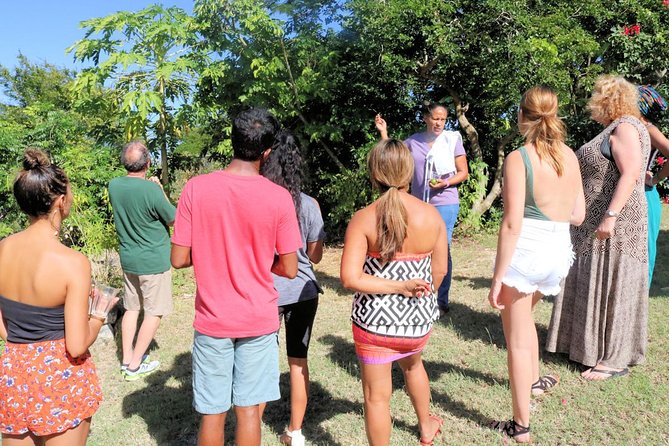
This isn’t a show-and-tell food stop. You come to a home kitchen, cook with instruction, then sit down and enjoy the meal together. That format matters, because curry and roti are not just ingredients. They are technique, timing, and seasoning decisions, and you get to practice those in real time.
Nicole’s approach is also refreshingly casual. She explains the story behind what’s on your cutting board, including how curry traveled to the Caribbean after slavery was abolished and Indian indentured servants arrived. That context makes the food feel more personal, not like you’re just collecting facts.
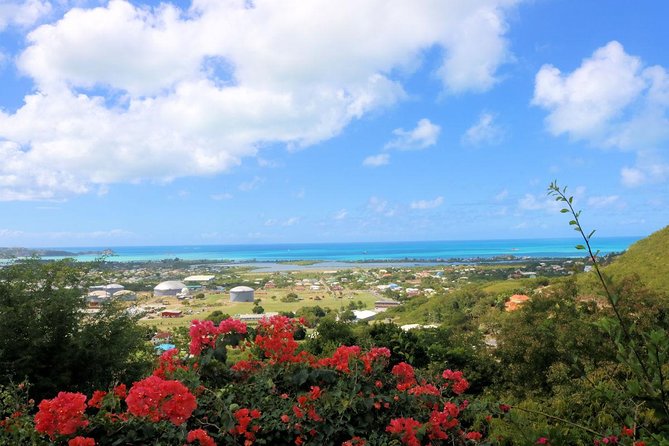
And yes, the setting helps. The class ends with lunch on a veranda where the Caribbean Sea is part of the experience. It’s one of those details that makes time slow down. You’re not rushing to the next stop, you’re enjoying the results.
St. John’s curry and jerk cooking, with the why behind the flavor
The workshop centers on curry, but it doesn’t treat curry like one single thing. In the Caribbean, curry shows up with island-specific blends, and Nicole frames curry as a comfort food people crave, especially after being away from the islands. That idea comes through when you learn how spices are used, not just which spices go into the pot.
You also get a jerk thread in the mix. Even if jerk is its own style, it sits right alongside the broader Caribbean spice story. Expect to talk through spice usage across the region so your brain connects the dots: warmth, depth, heat, and how the balance changes depending on the dish.
If you like food that feels rooted, this is a strong match. You’ll taste how the flavors are built and why certain seasonings belong together. If you’re more of a cautious eater, don’t worry. You can pay attention during cooking and steer your own portion at the table.
Your hands-on menu: curry chicken, tofu, roti, and more
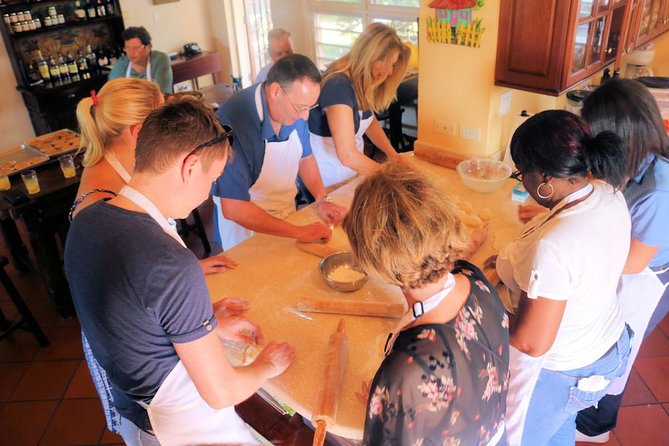
Your main cooking work is built around a few core items, then expands into sides and dessert.
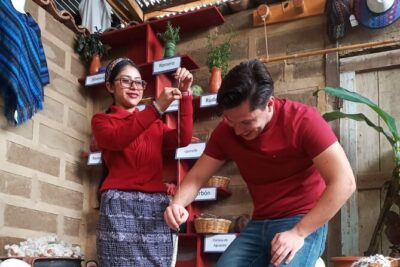
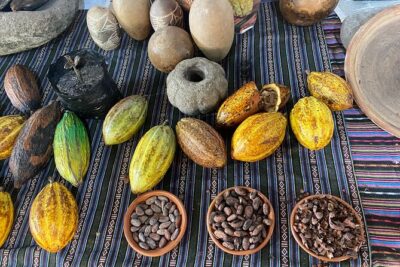



Curry chicken (and tofu for vegetarians)
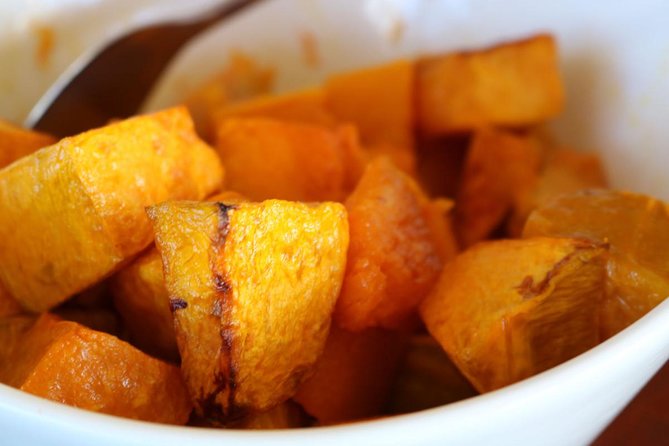
You’ll learn to make curry chicken, with a tofu option if you don’t eat meat. The value here is that you’re not memorizing a single recipe page. You’re learning how curry flavor comes together through spices and process. That’s what helps when you cook later, when you might be working with different brands or slightly different ingredients.
Roti, the unleavened flatbread
Roti is a big deal in Caribbean meals, and you get to make it. Because it’s unleavened, it relies on technique and how you handle the dough. You’ll get direct guidance while you’re shaping it, which is exactly when most people need help.
Sides and dessert
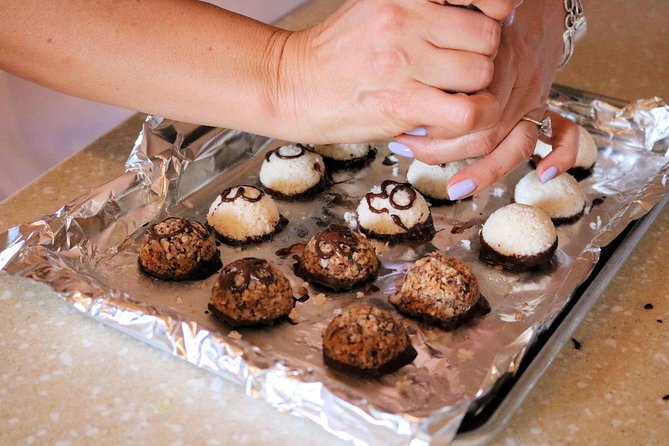
Along with the curry and roti, you’ll create the rest of the meal, including sides and dessert. The specific dishes can depend on season and availability, so focus less on expecting a fixed menu and more on learning the methods and spice logic behind what’s served.
One practical upside of this structure: even if your personal tastes run to mild or spicy, you can adjust your plate. And when you leave, you’ll have a recipe set that matches what you cooked, not just a generic “Caribbean curry” handout.
The 3-course meal and cocktails, served where the view matters
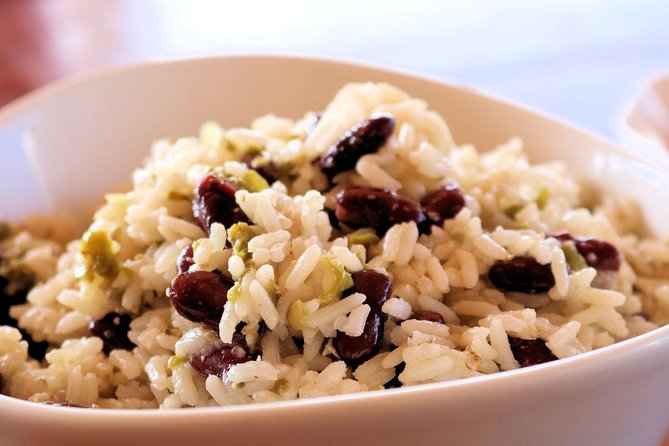
After the cooking part, you transition into eating. The experience is designed so you sit down for a three-course lunch that includes what you made during class. That’s the whole point. Curry and roti are easier to understand when you taste them right after you learn them.
Cocktails are included too. That matters for value because you’re not paying extra for drinks at the end of a food session. And because the class is hands-on, you’ll actually remember what you did when you take a sip. It becomes a sensory map, not just a meal.
The veranda setup is part of why this class feels special. The meal is outdoors, so you get that “vacation” feeling without needing to travel across the island. It’s also a nice way to slow down after Antigua sightseeing. You can show up with a morning of exploring already done, then spend the rest of the half-day focusing on food.
How long it takes, how big the group is, and why that affects the experience
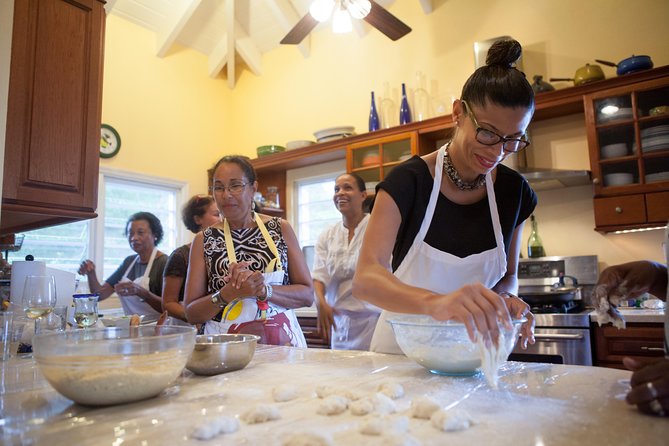
You’re looking at about 4 hours total, starting at 11:00 am. This is a good length for people who want something substantial without burning an entire day.
Group size is capped at 12 travelers, which is a sweet spot for learning. Smaller groups mean more chances for Nicole to check what you’re doing, answer questions while you’re cooking, and keep the pace moving.
There’s also a minimum group requirement. If a booking doesn’t meet the minimum of 4 people, the provider may move you to another day to make the class work. If your party is less than 4, you might be placed into an existing class if you book then. This isn’t unusual for small cooking homes, but it’s worth knowing so you can plan your Antigua schedule with a little flexibility.
Price and value: is $145 per person a fair deal?
$145 per person can sound steep until you break down what’s included. You’re paying for more than ingredients. You’re paying for:
- a guided cooking session focused on key items like curry and roti
- a full meal outcome, including a three-course lunch
- drinks, including alcoholic beverages, plus coffee or tea and snacks
- and recipes that let you repeat the dishes later
When you look at it that way, the cost is closer to a hands-on food experience plus a meal, rather than a basic tasting. If you enjoy cooking or you want to bring a real skill home, this is strong value.
If you’re the type who just wants to eat and doesn’t care about cooking technique, you may want to compare it to a regular restaurant meal or food tour. But if you’re curious about how Caribbean spices work, this format is built to teach you, not just feed you.
Also, timing can affect availability. It’s commonly booked about 79 days in advance, so if you want a specific day, don’t wait until the last minute.
Who this class fits best (and who should think twice)
This experience is a great match if you:
- want a hands-on cooking activity in Antigua that doesn’t feel touristy
- enjoy learning about food history as part of cooking, not as a lecture
- are traveling with family or friends and like the idea of creating together
- want vegetarian options, since tofu is included
It’s a less perfect fit if:
- you hate any outdoor component in poor weather, since the seating depends on conditions
- you’re extremely time-locked and can’t handle possible date changes if the minimum isn’t met
The class is family-run in feel. Nicole’s home setting is part of the warmth people talk about, including meeting her family members who help make you feel comfortable in the kitchen space.
Small practical tips to make your day smoother
Here are a few things I’d do before you go, based on how this kind of cooking class works and what’s included:
- Wear comfortable clothes you can handle in a cooking environment.
- Plan to eat well, because lunch is part of the session. Come hungry, but stay realistic about portion sizes if you’re also drinking.
- If you have allergies, tell the provider during booking. Dietary requirements are specifically requested at the time of booking, especially for allergies.
- If you drink alcohol, note the minimum drinking age is 18, since alcoholic beverages are part of the included menu.
- Bring an open mind about spices. You’ll learn how blends work, and that usually changes how you think about heat.
One more detail: the experience notes health precautions like multiple hand washings and masks if a guest has flu-like symptoms. It’s not the kind of thing you notice during a meal, but it signals that the host is paying attention to comfort and safety.
Getting the most out of Nicole’s spice lessons
The best way to learn is to ask questions while you’re mid-step. When Nicole explains how curry made it to the islands and how different islands developed their own blends, take that moment to connect what you’re tasting to what you’re doing.
Also, don’t just focus on the end result. Pay attention to:
- how the curry flavor builds during cooking
- how roti dough feels and how it changes with handling
- how sides and dessert balance the overall meal
That’s how you walk away feeling like you gained a skill, not just a full stomach.
And because recipes are included, you’ll be able to recreate what you cooked. That’s the big win. A great meal is nice. A great meal plus the ability to remake it is better.
Should you book Nicole’s Table, Coordinating Curry?
If you want a half-day activity that teaches you something real, not just a meal, I think you should book it. The combination of hands-on cooking, a 3-course lunch, and sea-view veranda time makes this feel like good Antigua time, not an overpriced add-on.
I’d especially recommend it if curry and spices are on your travel wishlist, or if you’re vegetarian and want a class that includes a tofu version instead of forcing you to improvise. And if you’re going with a small group, the max 12 size helps keep the experience personal.
The only reason not to book is if your schedule can’t handle possible date shifts due to minimum numbers, or if you know you’ll be unhappy with outdoor seating depending on weather. If that’s you, you can still consider it, but plan around the 11:00 am start and keep a bit of flexibility.
Otherwise, this is one of those Antigua experiences where you go home with recipes, memories, and the practical confidence to make Caribbean flavors again.
FAQ
What time does the cooking class start?
It starts at 11:00 am. The activity runs for about 4 hours and ends back at the meeting point.
Where is the meeting point?
The start and end meeting point is Orchid Hill Drive, Antigua and Barbuda.
What will I cook and eat during the class?
You’ll learn how to make curry chicken (and tofu for vegetarians), roti, plus sides and dessert. After cooking, you’ll enjoy a three-course meal that includes what you made.
Are cocktails and drinks included?
Yes. The experience includes coffee and/or tea, snacks, and alcoholic beverages.
Is there a vegetarian option?
Yes. There is a tofu option.
What are the age rules for alcohol?
The minimum drinking age is 18.
What if I have dietary requirements or allergies?
You’re asked to advise specific dietary requirements (especially allergies) at the time of booking.
What happens if the weather is bad or the minimum number of travelers is not met?
The experience requires good weather. If it’s canceled due to poor weather, you’ll be offered a different date or a full refund. It also requires a minimum number of travelers, and if that minimum isn’t met, you may be moved to another date or offered a different experience or a full refund.
What’s the cancellation policy?
Free cancellation is available up to 24 hours in advance for a full refund. If you cancel less than 24 hours before the start time, the amount paid is not refunded.
More Guatemala Reviews
- Adventure Antigua – The Xtreme Circumnavigation★ 5.0 · 959 reviews
- Hike to Pacaya Volcano from Antigua★ 4.5 · 502 reviews
- Scenic Full Day Tour of Antigua★ 5.0 · 472 reviews
- Snorkel – Lobster Lunch Cruise to Bird Island and Paradise Reef★ 5.0 · 438 reviews
- Lake Atitlan One Day Tour from Antigua★ 4.5 · 288 reviews