
REVIEW · LAKE ATITLAN TOURS
Mayan Home Stay San Jorge Lake Atitlan
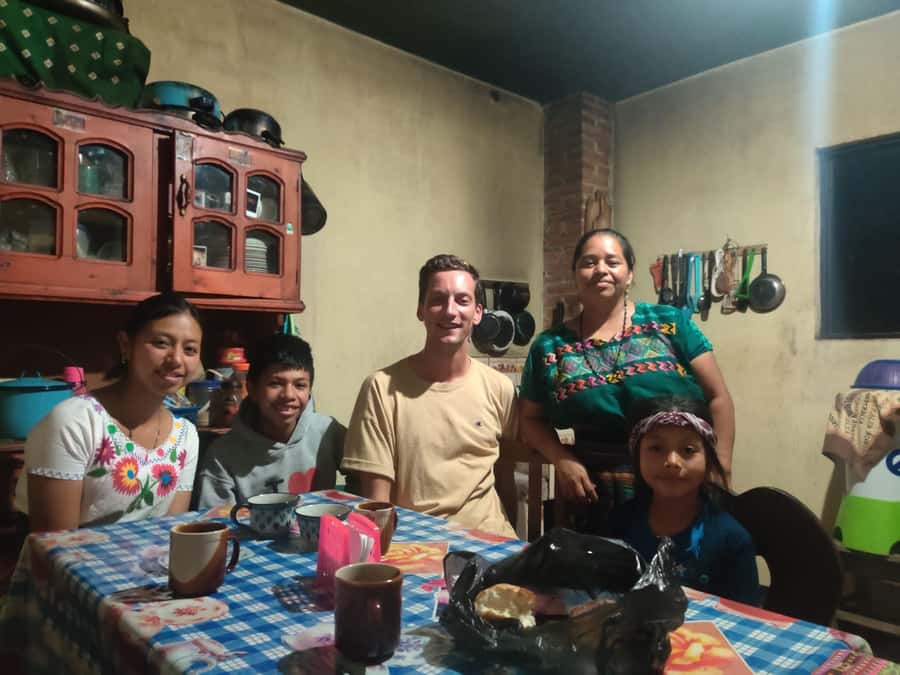
Living with a Maya family changes your pace. This Mayan home stay in San Jorge La Laguna (Sololá, near Lake Atitlán) is built around real daily life, not a scripted show. You get to eat with the family, practice Spanish in the household, and learn how tortillas are actually made in a home kitchen.
I especially love the chance to share dinner and breakfast that the mother of the family prepares for you. It feels personal, because you are sleeping where the family lives, in a safe local neighborhood, not in the tourist center of Panajachel. Another big win is the hands-on tortilla-making lesson with the mother.
One consideration: you should be ready for language gaps. The household conversation is mainly Kaqchiquel, and with only basic Spanish you will miss parts of daily life, plus the home and village setup can feel more basic than what you might expect from a hotel.
In This Review
- Key things you will really remember
- San Jorge La Laguna home life, not a tourist set
- Price and value: what $45 includes in real terms
- The day flow: how it feels from start to finish
- Your room, bathroom, and what “basic” really means
- Tortilla-making with the mother: the most practical part
- Language reality: Spanish helps, Kaqchiquel runs the home
- Village time with the family: what you see and how to act
- Dressing up in Mayan clothes, and why the photos still matter
- Meals with the family: the comfort part of the culture
- A useful Lake Atitlán tip after your stay
- Who this home stay suits best
- Practical expectations before you book
- Should you book Mayan Home Stay in San Jorge La Laguna?
- FAQ
- Where does Mayan Home Stay San Jorge Lake Atitlán take place?
- How long is the experience?
- What does it cost?
- What meals are included?
- What kind of room do you get?
- How do you get to the family?
- Is English spoken?
- Can you take photos?
- Can I stay more than one night?
- Is cancellation possible?
Key things you will really remember
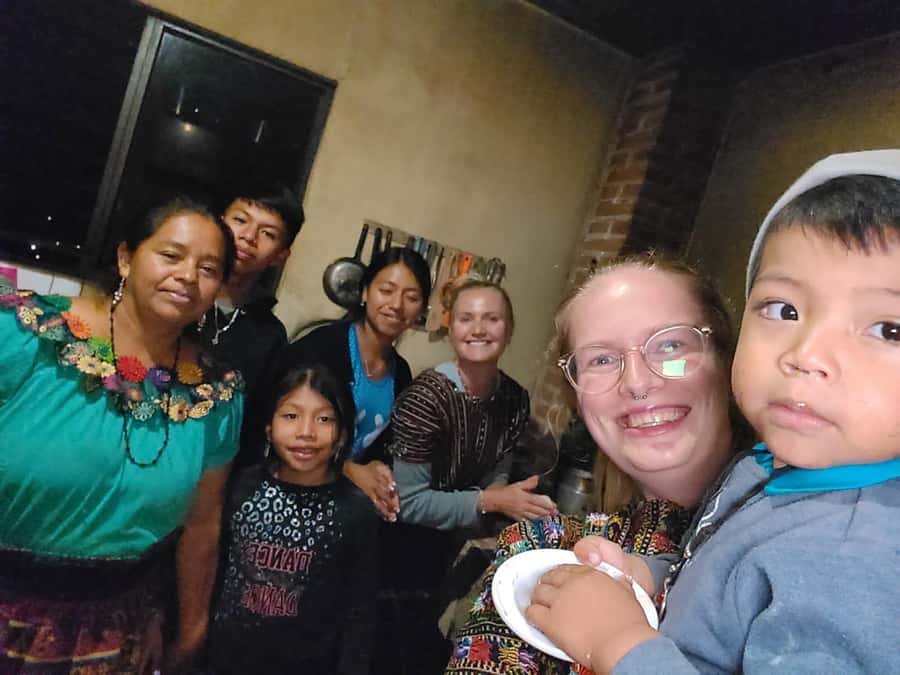
- Family meals are included, with dinner and breakfast cooked in the home by the mother
- Tortilla-making with the mother, so you go home with a skill, not just photos
- Small group size (up to 10), which makes the interaction more personal
- You stay in a local neighborhood in San Jorge La Laguna, not central Panajachel
- Photo etiquette matters, ask before you take pictures, and dress up in traditional clothing for images
Not locked in yet? Here is what else travellers book around Guatemala.
- From Flores: Tikal Sunrise Archaeological Tour
★ 4.5 · 147 reviews - Climb Active Pacaya Volcano: Shared Tour with Box Lunch
★ 4.8 · 5 reviews - From Antigua to Pacaya Private Tour
★ 5.0 · 3 reviews
San Jorge La Laguna home life, not a tourist set
This home stay is about living like you are visiting a real family, in a real Kakchiquel area around Lake Atitlán. The program has been running for about 15 years, both as a way to support local families and as a way for you to learn from daily routines, not from a lecture.
The village is safe and welcoming, but it is not designed to impress you like a hotel. If you like watching how people actually cook, talk, and live, you will enjoy the slower rhythm. And because you are placed with a family and included meals, the experience naturally turns into conversation, even when your Spanish is rusty.
Price and value: what $45 includes in real terms
At $45 per person for a 14-hour experience, the value is strongest when you look at what is bundled together. You are paying for more than a cultural visit. You also get round-trip transport from Panajachel, a private room, meals cooked by the family, and time spent together with the household.
Most day tours around Lake Atitlán charge a similar amount for transport plus a guide. Here, you also get instruction (tortillas), a cultural language exchange, and the kind of access you usually only get through time and trust. The small group limit, up to 10 participants, also helps keep it human-sized.
The day flow: how it feels from start to finish
Because the program is centered on family time, the schedule feels less like a checklist and more like a day inside someone’s home.
You begin with round-trip transport from Panajachel, then you head to San Jorge La Laguna. After you arrive, you are matched to a family, and you settle in enough to start interacting right away.
From there, you build the day in blocks: village time oriented by the family, the tortilla lesson with the mother, time to put on traditional clothing for pictures, and the big cultural centerpiece, shared meals. Dinner and breakfast are included, and the format is built so you get to see family life across morning and evening, not just during a daytime visit.
If you choose to stay longer, you can also add one or more nights with the family. That matters because home stays work best when you stop rushing and let the conversations happen naturally.
Your room, bathroom, and what “basic” really means
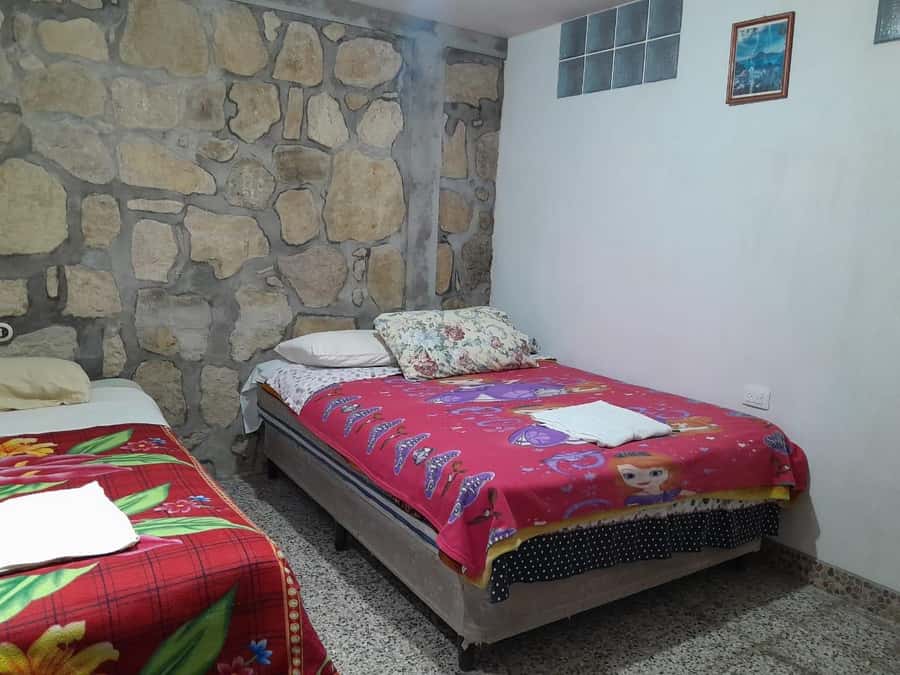
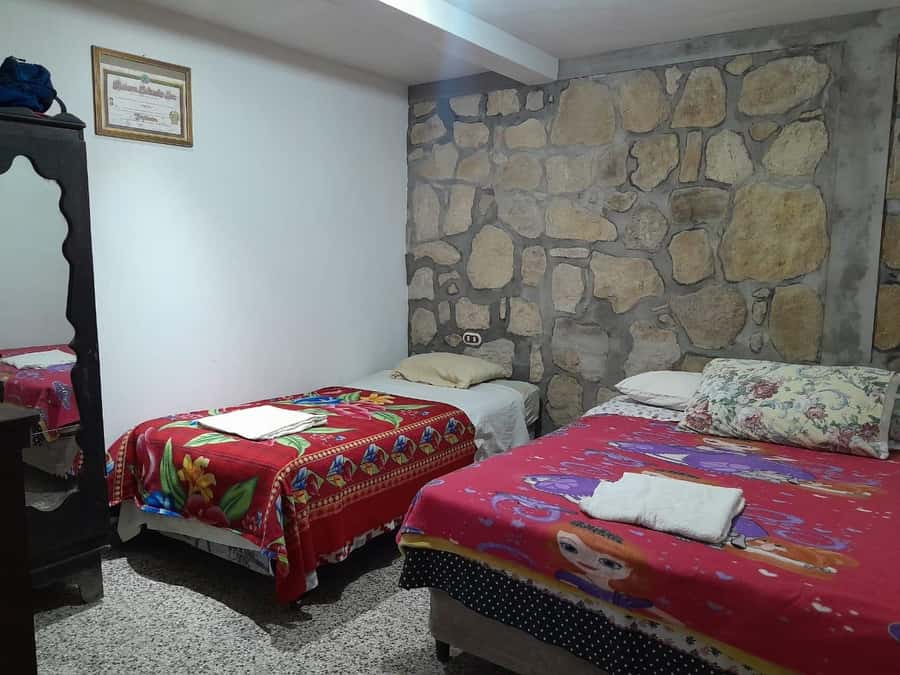
You get a private room with a shared bathroom. That is a clear setup, and it is part of the tradeoff for a more genuine experience. You are not here for hotel comfort. You are here to sleep in a household environment and understand what daily life looks like.
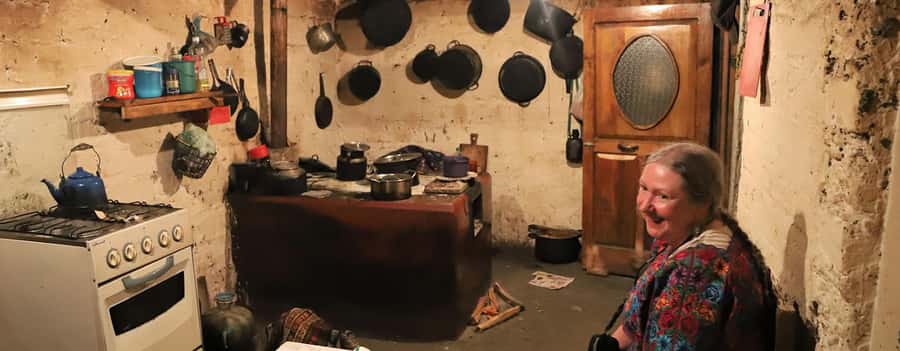
The home itself and housing situation in San Jorge La Laguna can feel basic. That is not a flaw in the program. It is the point, because it keeps the experience grounded in how families actually live.
What you can expect is a safe local neighborhood, and you are assigned to a family for the period of the stay. In practice, the biggest adjustment is mental: you will likely spend more time focusing on people and routines, and less time focusing on amenities.
Tortilla-making with the mother: the most practical part
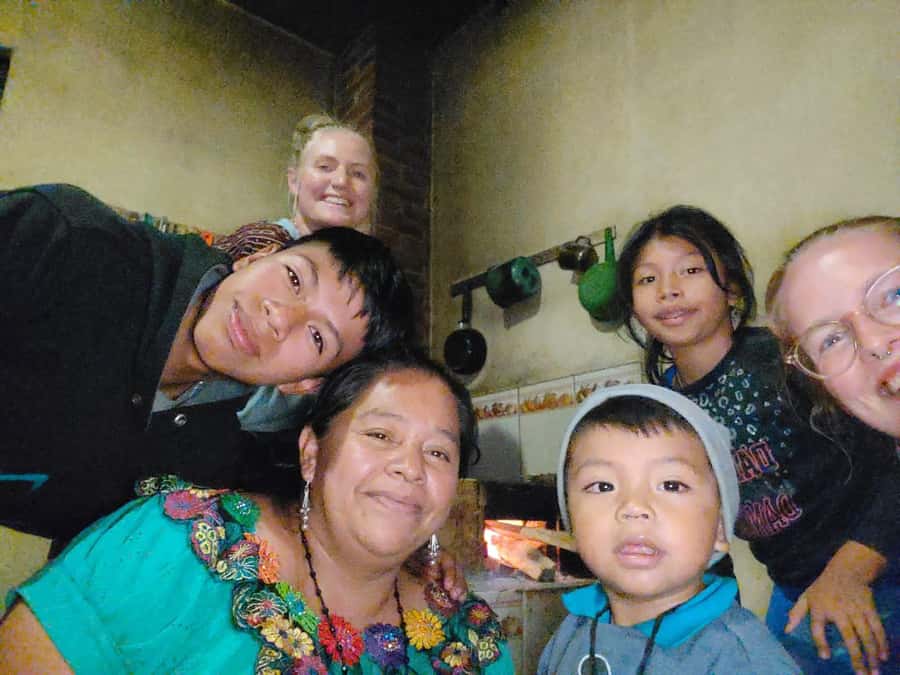
If I had to pick one experience-based highlight, it is the tortilla lesson. The mother of the family teaches you how to make tortillas in the home setting, and you do it while you are also part of the family’s kitchen rhythm.
This is more than a fun activity. Tortillas are a daily staple, and learning the process in context helps you understand what you are eating when you sit down for meals. You also get the chance to ask questions in whatever language you can manage, and your curiosity does a lot of the talking.
There is also an added benefit: this is one of the few parts of the day where everyone can communicate through actions. Even when your Spanish is limited, you can still follow along by watching and trying.
Language reality: Spanish helps, Kaqchiquel runs the home
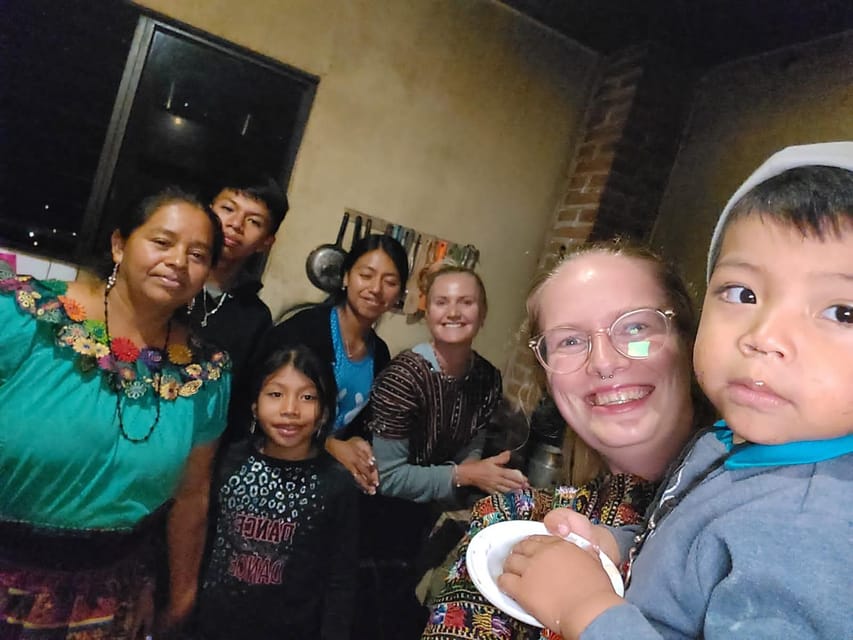
You should plan for Spanish to be the bridge. The host or greeter is Spanish-speaking, and you will practice Spanish with the family during daily interactions.
But be aware of the language mix. The family conversation is mainly Kaqchiquel, and that means you might feel like you are playing catch-up at first. One practical way to handle this is to keep your goal simple: try to understand the flow, not every word.
Even with basic Spanish, you can still participate. Ask simple questions, repeat key words you learn, and pay attention to patterns like greetings, meal routines, and explanations during cooking. If you speak a little Spanish, you will get more out of the day, because you can catch intentions, not just nouns.
Also, expect kids to be part of the household energy. That can mean it gets lively. For many people, that is part of the charm because it makes the home feel real, not stage-managed.
Village time with the family: what you see and how to act
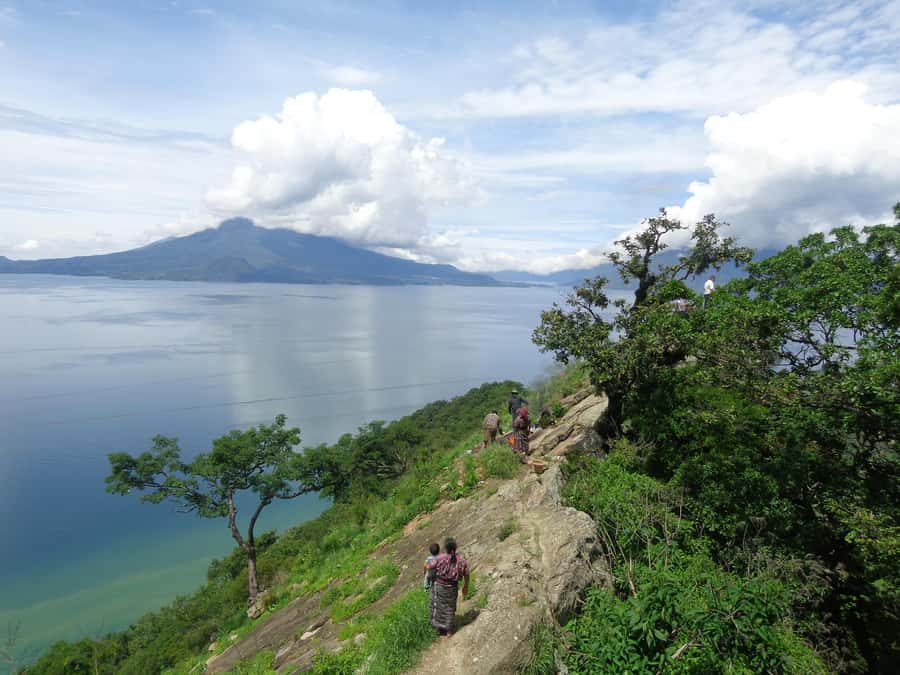
A big part of the value here is being able to explore the village with the family guiding you. You do not just pass through. You move through the village in a way that is oriented by the household, which changes what you notice.
You will likely see everyday life in a place that does not cater to tourist schedules. That is why the program includes expectations for responsible behavior: be respectful, act sensitively in the village, and treat the community like people, not like scenery.
One detail that deserves real attention: ask before taking photos. This is a respectful norm in many communities around Lake Atitlán, and here it is explicitly part of the experience. If you want a photo, make it a moment of permission first, then take it.
Dressing up in Mayan clothes, and why the photos still matter
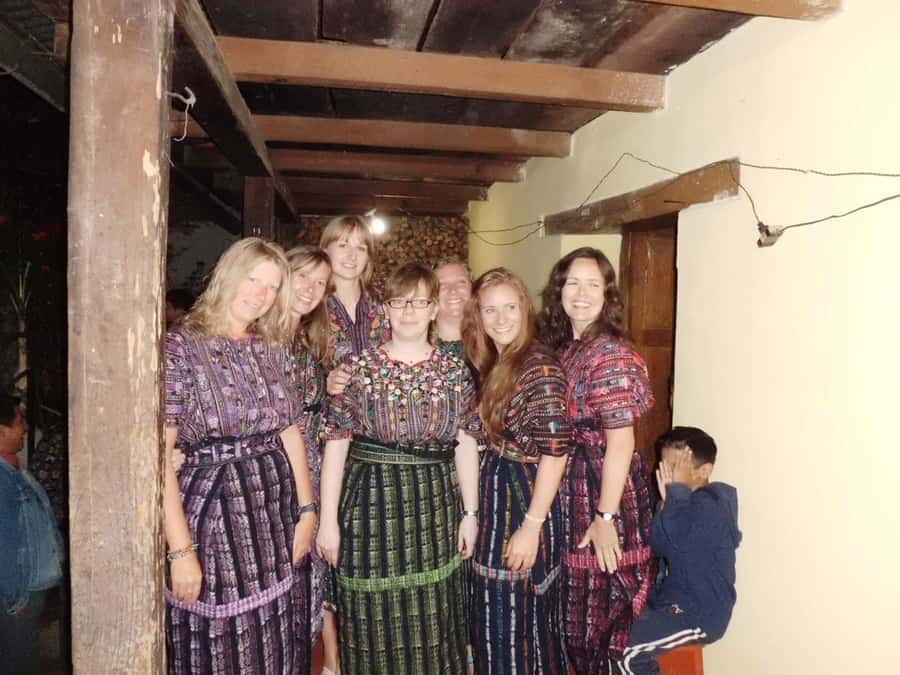
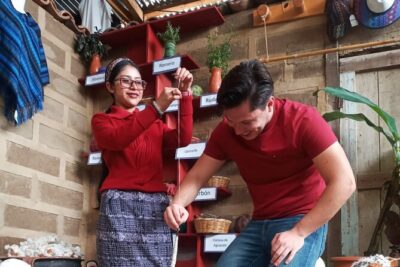
You get visitors dress up with Mayan clothes for pictures. It is a fun, visual way to connect with local identity, and it also makes the experience feel like it has a clear shared moment.
But the photo benefit is bigger than costumes. When you are dressed in traditional clothing, you can ask about patterns, fabrics, or meaning. Those questions are often easier to communicate than complicated explanations, and they lead to friendly interaction.
Keep in mind that the family’s main priority is daily life, not performance for your camera. Be quick, be polite, and take photos only when it feels natural and allowed.
Meals with the family: the comfort part of the culture
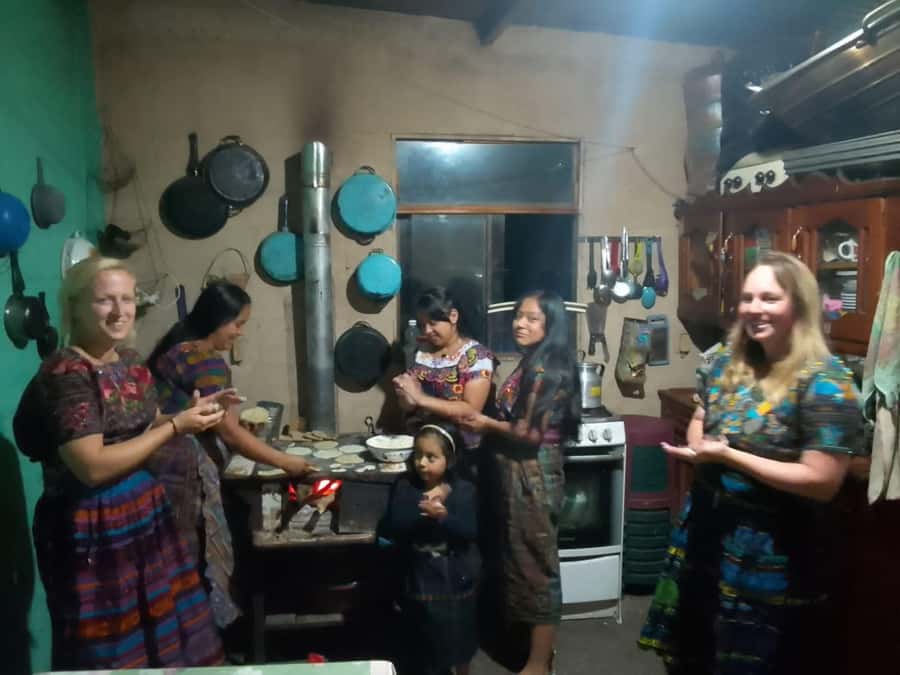
Dinner and breakfast are included, and they are prepared by the mother of the family. Eating together is where cultural learning tends to become effortless, because you relax into conversation while you share the same food.
This format also makes the home stay feel balanced. You are not only “doing activities.” You are also part of the family table, and that shapes how the rest of the day goes.
If you have a sensitive stomach, it is still a good idea to eat what you are served, but take cues from the household. You are in a home setting, so ask small questions if needed. Most importantly, be appreciative. Simple gratitude goes a long way here.
A useful Lake Atitlán tip after your stay
One practical idea if you want a stretch before heading back: you can walk down to the lake to grab a boat back, which one visitor described as about 3 km (1.9 miles) downhill and very scenic. This is not the only way, so use it as a suggestion, not a rule.
If you try it, plan for the fact that it is downhill, so your route back might be different later. Ask your family or the host what makes sense for timing and safety. A short walk can add a nice sendoff view, especially around Lake Atitlán.
Who this home stay suits best
This is ideal if you want a real family-based experience in the Lake Atitlán area, and you enjoy learning through daily life. You will get the most out of it if you are curious, patient, and willing to communicate with what you have.
It also suits:
- Spanish learners who want real practice, even if you are not fluent
- Culture-minded travelers who prefer homes and villages over big attractions
- People who respect photo etiquette and understand this is someone’s home
You might not love it if:
- You need English spoken throughout
- You want a polished, hotel-style comfort level
- You dislike language barriers and prefer fully guided explanations
Practical expectations before you book
Bring a camera if you want photos, but go in remembering the key rule: ask before you take pictures. That small habit will make the day smoother and more respectful.
Also, keep your mindset flexible. You are in a Mayan community and the program is centered on family life. Even when the day feels lively, your job is to stay kind, observant, and present.
Finally, take advantage of the included interaction time. The value comes from participating, not just watching. Ask about tortillas, talk during meals, and accept that the household language mix includes Kaqchiquel even if your Spanish improves only a little.
Should you book Mayan Home Stay in San Jorge La Laguna?
If you want an authentic Lake Atitlán experience that connects you directly to a local family, this is a strong choice. The included meals cooked by the mother, the tortilla lesson, and the chance to stay in a local neighborhood make it more meaningful than a typical sightseeing day.
Book it if you have a respectful, curious attitude and you can handle basic comfort levels. Skip it if you only want English support or if you need a very standardized comfort setup.
If your goal is real human connection and you do not mind the cultural and language learning curve, you will likely feel like you earned your memories the honest way.
FAQ
Where does Mayan Home Stay San Jorge Lake Atitlán take place?
It takes place in Sololá Department, Guatemala, in the village area of San Jorge La Laguna near Lake Atitlán.
How long is the experience?
The duration is 14 hours.
What does it cost?
The price is $45 per person.
What meals are included?
You get dinner and breakfast in the home, and the mother of the family prepares the meals.
What kind of room do you get?
You receive a private room with a shared bathroom.
How do you get to the family?
Transport is included for a round trip from Panajachel to the Mayan family.
Is English spoken?
The listing indicates that the host or greeter is Spanish. It also notes that the experience is not guaranteed to be English spoken.
Can you take photos?
Yes, but you should ask before you take photos of people in the village.
Can I stay more than one night?
You can stay one or more nights with a family from the Kakchiquel ethnic group in San Jorge La Laguna.
Is cancellation possible?
Yes. You can cancel up to 24 hours in advance for a full refund, and you can use a reserve now & pay later option.
More Guatemala Reviews
- From Flores: Tikal Sunrise Archaeological Tour★ 4.5 · 147 reviews
- Climb Active Pacaya Volcano: Shared Tour with Box Lunch★ 4.8 · 5 reviews
- From Antigua to Pacaya Private Tour★ 5.0 · 3 reviews
Recently reviewed: more ways to spend a day in Guatemala

Lake Atitlan Tours that cover the same ground.
 ★ 4.6FROM ANTIGUA, ROUND TRIP: EXPLORING THE VILLAGES OF LAKE ATITLÁN.From $95382 reviews
 ★ 4.5Lake Atitlan One Day Tour from AntiguaFrom $92288 reviews
 ★ 4.5Lake Atitlán Sightseeing Cruise with Transport from AntiguaFrom $11999 reviews
 ★ 4.2Guatemala or Antigua Guatemala: Lake Atitlán Boat CruiseFrom $11993 reviews
 ★ 4.5Lake Atitlán Sightseeing Cruise with Transport from Guatemala CityFrom $11987 reviews
 ★ 4.5Lake Atitlan Day Tour from Antigua or the City | Boat & VillagesFrom $11076 reviews
 ★ 4.8Panajachel: Lake Atitlan Villages ATV TourFrom $5765 reviews
 ★ 4.3Chichicastenango and Lake Atitlan Tour From AntiguaFrom $8063 reviews
Also on these pages