REVIEW · GUATEMALA
DiveCarib – An Eco-Friendly Certified Diver Trip in Antigua
Antigua’s reef starts at 8:30. What makes this trip interesting is the mix of ecofriendly operation and real structure, from the facility intro to the strict no-touch, no-take, no-feeding wildlife rules. You also get a small group, plus a guide who keeps the whole outing focused on safety and fun.
I especially like the hands-on care built into the flow. You’ll get a full briefing, then a pre-session safety check, and you’re set up with rental gear that guests describe as top notch. The team’s background adds confidence too, with 40+ years of combined experience and a 5-star rating from the Professional Association of Diving Instructors.
One consideration: there’s a hard requirement about your recent ocean scuba experience. You must have scubaed within the last two years (and in the ocean), or you’ll need a refresher session before joining certified trips.
In This Review
- Key highlights to know before you go
- Where you start at Dockyard Drive, and why the early timing matters
- The briefing, the gear setup, and how the tank plan affects your comfort
- The boat ride: your first real taste of Antigua from sea level
- At the first underwater site: safety checks, guided time, and hands to yourself
- The no-touch, no-take, no-feeding policy, and how it protects what you came to see
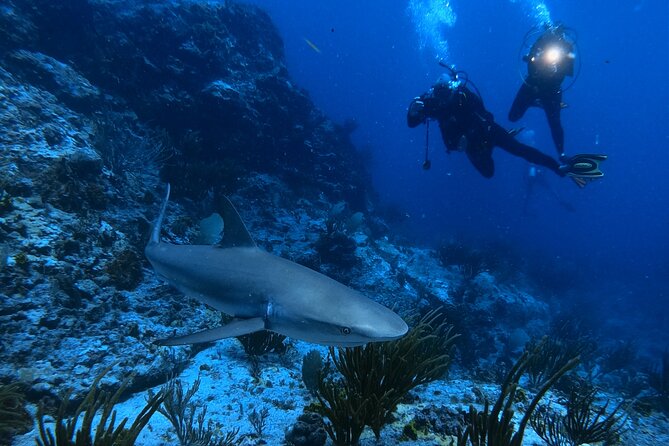
- Marine life time with a guide who knows Antigua’s underwater world
- When surge or conditions change: Black Point as a practical example
- Price and value: is $199 a fair deal for Antigua?
- Who this trip fits best, and who should book the refresher instead
- Should you book DiveCarib in Antigua?
- FAQ
- Where is the meeting point for this Antigua scuba trip?
- What time does the trip start?
- How long is the trip?
- How much does it cost?
- Do I need to be a certified diver?
- What if I have not scubaed in the last two years?
- What tank and cylinder setup is included?
- Are there wildlife rules during the trip?
- What happens if weather is bad or you need to cancel?
Key highlights to know before you go
- Small group size (max 8 travelers), so you’re not lost in the crowd
- Professional guidance with strong safety structure, including a pre-session safety check
- Full tank details provided (aluminum S80, starting 3000 Psi) so you know what to expect
- Strict wildlife etiquette (no touching, no taking, no feeding), built into the rules
- Scenic boat time plus real underwater time, with one-hour underwater limits
- Flexible sites if conditions shift, with examples like Black Point when surge shows up
Not locked in yet? Here is what else travellers book around Guatemala.
- Adventure Antigua – The Xtreme Circumnavigation
★ 5.0 · 959 reviews - Hike to Pacaya Volcano from Antigua
★ 4.5 · 502 reviews - Scenic Full Day Tour of Antigua
★ 5.0 · 472 reviews - Snorkel – Lobster Lunch Cruise to Bird Island and Paradise Reef
★ 5.0 · 438 reviews
Where you start at Dockyard Drive, and why the early timing matters
Your morning begins at the DiveCarib base at DiveCarib National Sailing Academy, Dockyard Drive, in Antigua. The activity starts at 8:30 am, and it ends back at the meeting point, which keeps the day simple. Expect about 4 hours total, and remember that the calendar time is part of the plan, not just a guess.
Because this is a small group outing (maximum of 8 travelers), you’re usually not waiting around with a huge lineup. Also, it’s listed as near public transportation, which is useful if you’re not driving or you’re coordinating with a cruise schedule.
One thing I appreciate about start-time trips like this: the organizers plan around actual conditions. The operation notes it requires good weather, and you’ll feel that in how the day is paced. If weather is poor, you should expect changes or a refund, rather than a stretched, rushed session.
The briefing, the gear setup, and how the tank plan affects your comfort
Certified trips start with an intro to the facility and team. After that comes a thorough scuba briefing that covers the trip and key points for people using rental equipment. That matters because it reduces guesswork once you’re on the boat and about to enter the water.
Then comes the practical part: you board the boat, and you get more detail tied to the rental setup. You’ll kit up at the first underwater site and do a pre-session safety check. The overall idea is clear, they don’t treat the day like a checklist, they treat it like training wheels you keep during the first minutes.
The tank setup is spelled out, which I like because it removes mystery. You’ll use an aluminum S80 (11.2 litre) cylinder with a starting pressure of 3000 Psi (207 Bar). Underwater time is set at about one hour, or it ends at a minimum end/surface pressure of 500 Psi (35 Bar).
This gas planning is more than technical detail. For you, it usually means the guide is thinking about safe turn-backs and air management from the start, not reacting late. That helps you stay relaxed, watch the reef, and not obsess about numbers.
The boat ride: your first real taste of Antigua from sea level
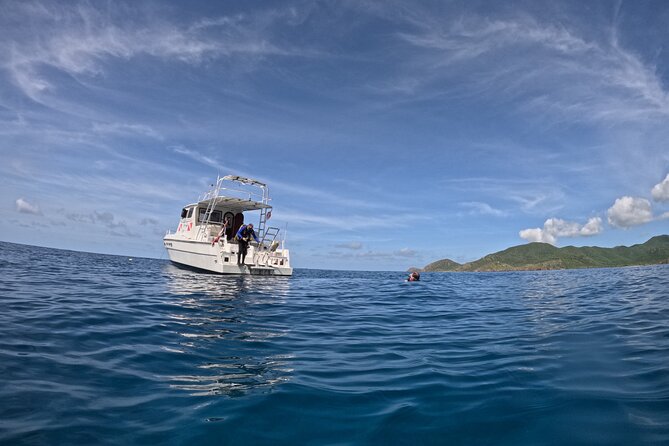
This isn’t a quick hop on a boat and vanish under the surface. The scenic boat ride is part of the experience, and that’s a big deal on Antigua because the island looks different from the water. From the boat, you get that out-in-front perspective, where shorelines, coastline bends, and open-water views come into focus.
On board, drinking water is available. It sounds small, but on a morning start, hydration helps you feel better during gear setup and the walk to the entry ladder. If you tend to get sluggish in the heat, take advantage of the water early.
Also, boat travel can change how you feel about the day. If you’re used to doing solo shore entries, the boat segment becomes a calm buffer. You’re not stressed, you’re not rushing around, and you have time to get mentally ready for the first underwater site.


At the first underwater site: safety checks, guided time, and hands to yourself
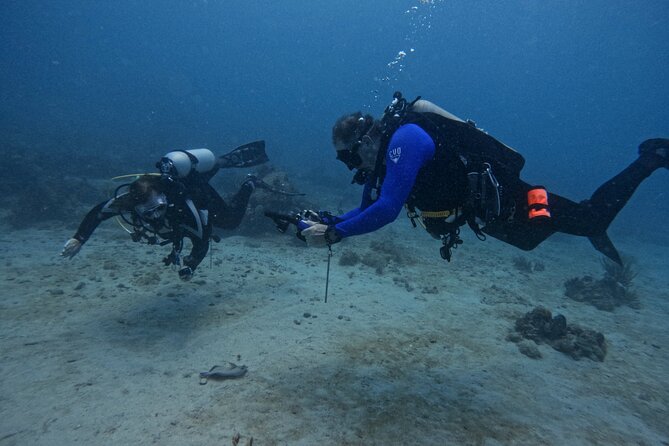
When you arrive, you kit up, then complete a pre-session safety check. That’s where you confirm gear basics and make sure everything feels right before anything starts. It’s also where the guide keeps the group aligned, so you’re not doing a slow scramble in the water.
Your underwater time is set to about one hour, with the option to end earlier if you reach the minimum end/surface pressure of 500 Psi (35 Bar). If you’re sensitive to planning, this is actually comforting, it means you’ll know the limits and you’ll hear them in advance.
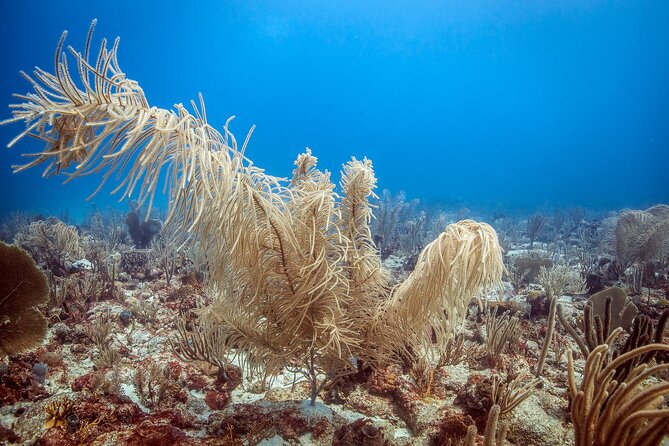
A guide with strong local knowledge leads the underwater outing. The goal is not just to get you wet, it’s to help you see marine life Antigua is known for, while keeping the group safe and controlled.
And then there’s the wildlife policy. It’s strict: no-touch, no-take, no-feeding. This is built into the trip expectations, not treated like optional advice.
The no-touch, no-take, no-feeding policy, and how it protects what you came to see
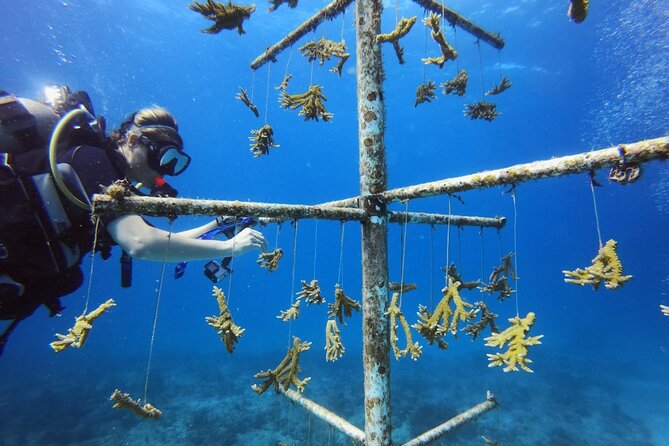
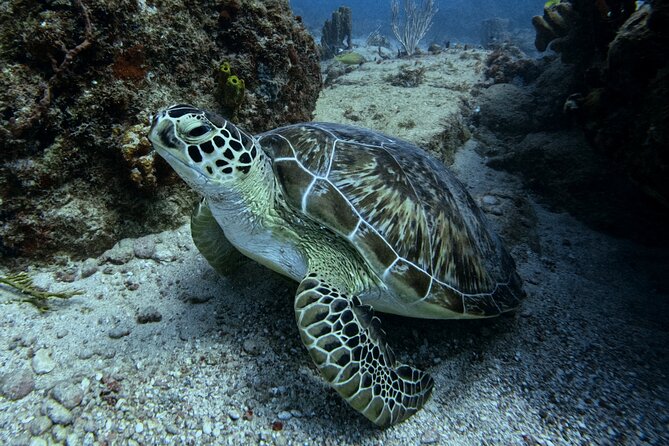
If you care about reefs and animals, you’ll appreciate the rules. A hands-off approach reduces stress on marine life and helps keep coral and other habitat intact. It also keeps the experience ethical, you’re observing, not collecting, not disturbing.
For you underwater, that means a few practical habits. Keep hands away from anything living or fragile. Avoid hovering over animals like they’re props. And never try to feed wildlife, even if it looks calm or curious at first.
The policy also helps the whole group. When everyone follows the same etiquette, your visibility and the water flow stay better, especially around areas where stirring can be a problem. You’re more likely to see clear, natural behavior instead of a scene where people are bumping into things.
This is one of the most praised parts of the experience because it’s simple and consistent. In real-world terms, it makes the trip feel respectful and professional, not chaotic.
Marine life time with a guide who knows Antigua’s underwater world
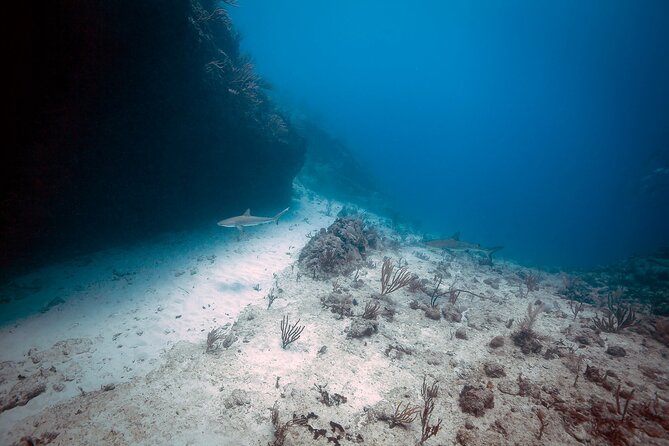
The guide’s job is to show you marine life and keep things safe. You’ll get help that’s meant to be both practical and interpretive, so you’re not staring at random shapes and guessing what they are.
From one account, the dive master was Lee, and the experience was described as incredible, with mesmerising spots and top-notch gear. That kind of feedback usually points to two things: good route choices and a calm way of explaining what you’ll see.
If you like learning in the moment, you’ll likely find this style satisfying. It’s not just about floating around, it’s about having someone connect the underwater sights to the local environment.
One more good detail: the operation makes sure you’re physically and mentally fit to scuba. The requirement isn’t vague, you should be able to swim unassisted, walk unassisted, and climb the ladder unassisted. That helps the guide keep the group moving smoothly at entry and exit.
When surge or conditions change: Black Point as a practical example
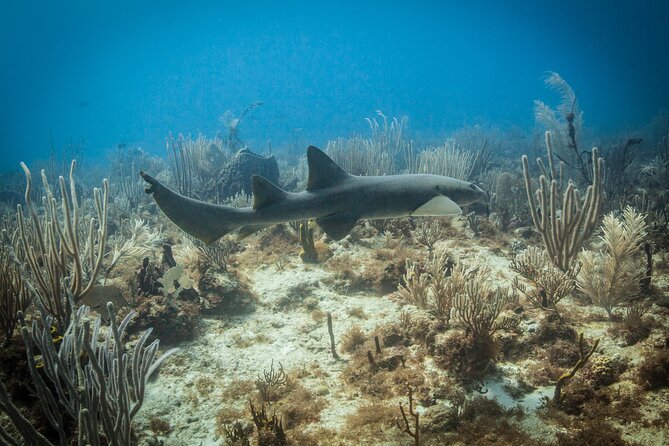
Even with good planning, the sea decides part of the itinerary. The trip can adjust sites depending on conditions, and you should be ready for that mindset.
One communication story highlights an example: the second site was switched to Black Point due to surge. That’s actually a good sign. A responsible operator adapts for safety and comfort, rather than forcing a plan that no longer fits.
What you should do with this info: pack for the reality that underwater conditions can vary. You might not get the exact same sites every time, but the trip is designed to stay productive. If a site feels rough, swapping locations can keep the underwater time enjoyable instead of stressful.
Price and value: is $199 a fair deal for Antigua?
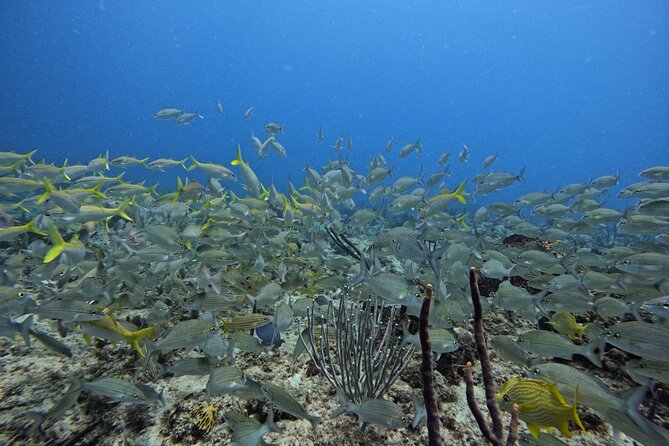
The price is $199.00 per person for an outing of about 4 hours. For a certified outing, that’s not just a boat fee. You’re paying for guidance with strong credentials, rental equipment, tank access, and the planned underwater timing limits.
Here’s how it typically stacks up in your head. If you priced those parts separately on your own, the totals can add up fast. You’re also getting drinking water on board, which is a small comfort but still part of the package.
The best value angle is attention. With a maximum of 8 travelers, you’re less likely to feel ignored during gear checks and entry moments. Reviews also praise the rental gear quality and the ability of the shop to coordinate directly when timing gets tight.
One cruise-related account is a strong example. The shop team coordinated with guests after booking, and Leigh was willing to hold the dive boat for about 30 minutes to allow for taxi timing. That kind of flexibility matters if you’re traveling on a tight port schedule.
Who this trip fits best, and who should book the refresher instead
This is clearly built for certified divers who are current. You need to have scubaed within the last two years, and it must have been in the ocean. If you haven’t, you should enquire about afternoon refresher sessions.
That requirement can feel strict, but there’s a reason. Scuba skills fade. If you haven’t done the motions recently, even a great instructor can’t fix hesitation underwater through enthusiasm alone. A refresher helps you re-sync breathing, buoyancy awareness, and basic comfort before you join the certified group outing.
Physically, you need moderate physical fitness and you must be able to handle normal scuba movement like swimming unassisted and climbing the ladder without help. Mentally fit matters too, because you’ll be expected to follow safety guidance quickly.
So who should book? If you’re a confident certified diver, recent in ocean conditions, and you want an eco-focused team with a strict wildlife approach, this is a strong match. If you’re rusty or you have been land-based for a while, take the refresher option so you can enjoy the main outing without stress.
Should you book DiveCarib in Antigua?
I’d book this if three things are true for you. First, you’ve scubaed within the last two years in the ocean. Second, you’re comfortable with an 8:30 am start and a total time of around four hours. Third, you respect hands-off wildlife and you want a trip where safety and reef etiquette are part of the plan.
I’d pause before booking if the two-year requirement is a problem, because you may need a refresher session first. And if you hate itinerary changes, keep in mind the operation requires good weather and can shift sites if conditions like surge show up.
If you do fit the requirements, you’re getting a well-run outing with top equipment, a strong guide presence, and a consistent ethic: you see marine life while protecting it. That’s a better souvenir than any photo.
FAQ
Where is the meeting point for this Antigua scuba trip?
You’ll meet at DiveCarib National Sailing Academy, Dockyard Drive, Antigua and Barbuda. The activity ends back at the same meeting point.
What time does the trip start?
Start time is 8:30 am.
How long is the trip?
The duration is listed as about 4 hours.
How much does it cost?
It costs $199.00 per person.
Do I need to be a certified diver?
Yes. The trip is for certified divers, and you must have scubaed within the last two years and in the ocean. If you have not, you should enquire about afternoon refresher sessions.
What if I have not scubaed in the last two years?
If you have not scubaed within two years, you must complete a refresher scuba session before joining the certified diver trips.
What tank and cylinder setup is included?
They provide an aluminum S80 (11.2 litre) cylinder. Starting pressure is 3000 Psi (207 Bar), and underwater time is set at about one hour with a minimum end/surface pressure of 500 Psi (35 Bar).
Are there wildlife rules during the trip?
Yes. The trip has a strict no-touch, no-take, no-feeding policy for wildlife.
What happens if weather is bad or you need to cancel?
The experience requires good weather. If it’s canceled due to poor weather, you’ll be offered a different date or a full refund. You can cancel for free up to 24 hours in advance for a full refund.
More Guatemala Reviews
- Adventure Antigua – The Xtreme Circumnavigation★ 5.0 · 959 reviews
- Hike to Pacaya Volcano from Antigua★ 4.5 · 502 reviews
- Scenic Full Day Tour of Antigua★ 5.0 · 472 reviews
- Snorkel – Lobster Lunch Cruise to Bird Island and Paradise Reef★ 5.0 · 438 reviews
- Lake Atitlan One Day Tour from Antigua★ 4.5 · 288 reviews